

Women Shaping Creative Spaces: Charlene Polite Corley
VP, Inclusive Insights at Nielsen
In celebration of International Women’s Day, PICHA invited artists, photographers, designers, and cultural leaders to reflect on the women who shaped their creative vision — and the changes they hope to see in their industries.
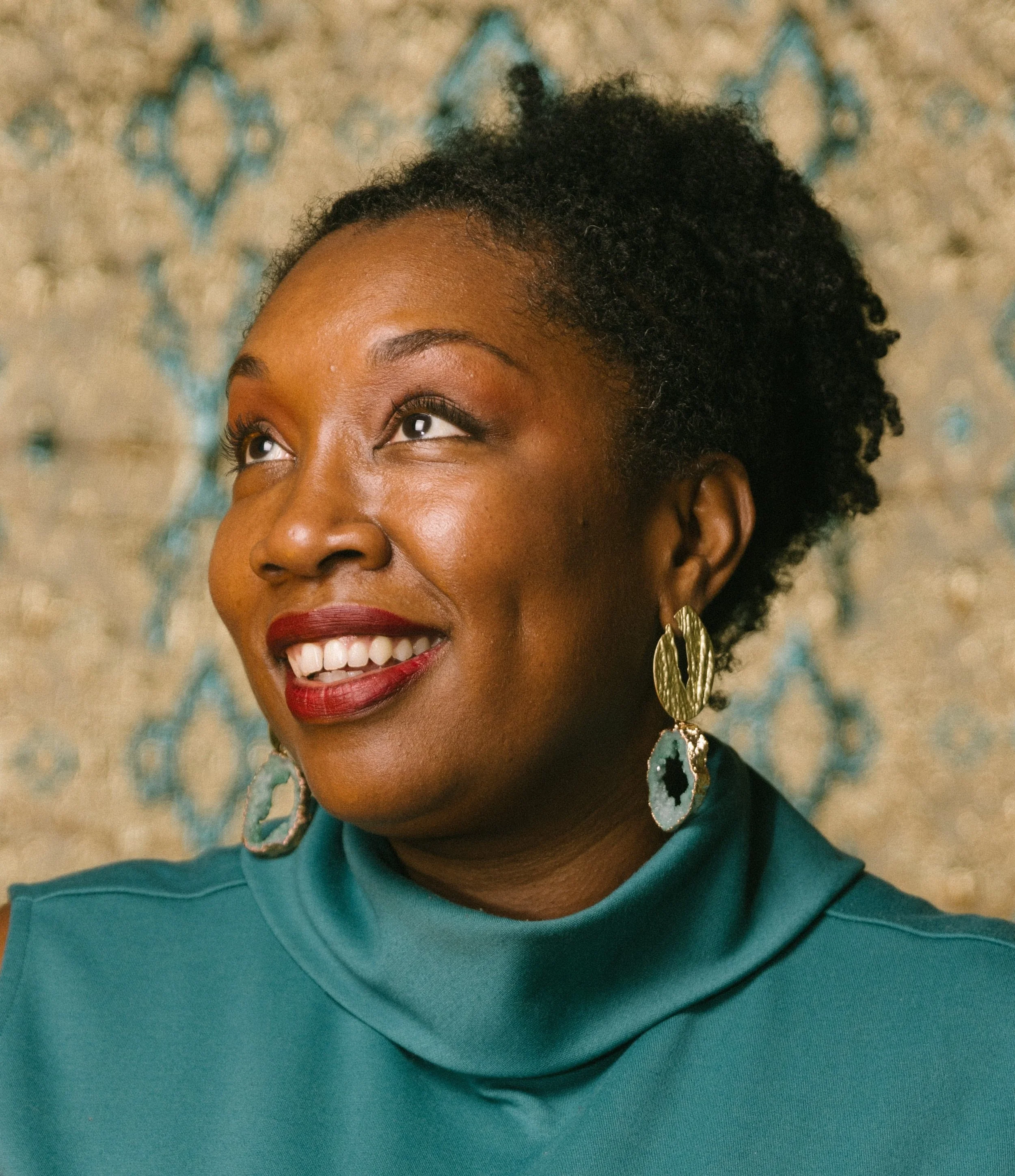
Credit image: Evan Benally Atwood
Charlene Polite Corley works at the intersection of culture, media, and research, leading initiatives that explore representation and audience insights across the global media landscape.
In this conversation, she reflects on the women who shaped her worldview, the realities of showing up as a Black woman in leadership, and the power of storytelling — especially when it is grounded in data.
“My creative superpower is storytelling — especially with data.”
Who are five women who shaped the way you see, build, or create?
When asked about the women who influenced her path, Charlene names figures from family, culture, and history — each representing a different kind of leadership.
My great-grandmother
A fighter, a matriarch, a landowner, and a woman of faith who lived to the age of 101.
Maya Angelou
Someone who always seemed to have the right words at exactly the right time.
Stacey Abrams
A true jack of all trades — and master of each one.
Beyoncé
She represents evolution, excellence, artistry, and world-building.
Nobody does it better.
Nichelle Nichols
The foundational example of the power of representation on television.
“I show up specifically as a Black woman, which means I am always calculating how I may be perceived — especially in rooms where there aren’t other folks who look like me.”
How does your identity as a woman influence how you show up in your industry?
I show up specifically as a Black woman.
That means I am always calculating how I may be perceived, especially in rooms where there aren’t many people who look like me.
It makes reading the room essential.
But it is also the source of my empathy and my focus on inclusion as a leader.
What structural change would meaningfully shift access or equity in your industry?
More intentional consideration and resourcing of Black women beyond the “Glass Cliff” assignments.
So often we are comfortable with Black women working and ideating behind the scenes, but not leading the work out front.
What do you believe is your creative superpower?
My creative superpower is storytelling — especially with data.
I see my work as weaving together unexpected or seemingly disconnected signals and insights to tell a story that connects culture, media, money, and trends.
What would you tell your younger self?
Sade has a beautiful song called In Another Time that captures it perfectly:
“Darling, I just want you to know, your tears won't leave a trace…
In another time girl, in another place.”
About Charlene Polite Corley
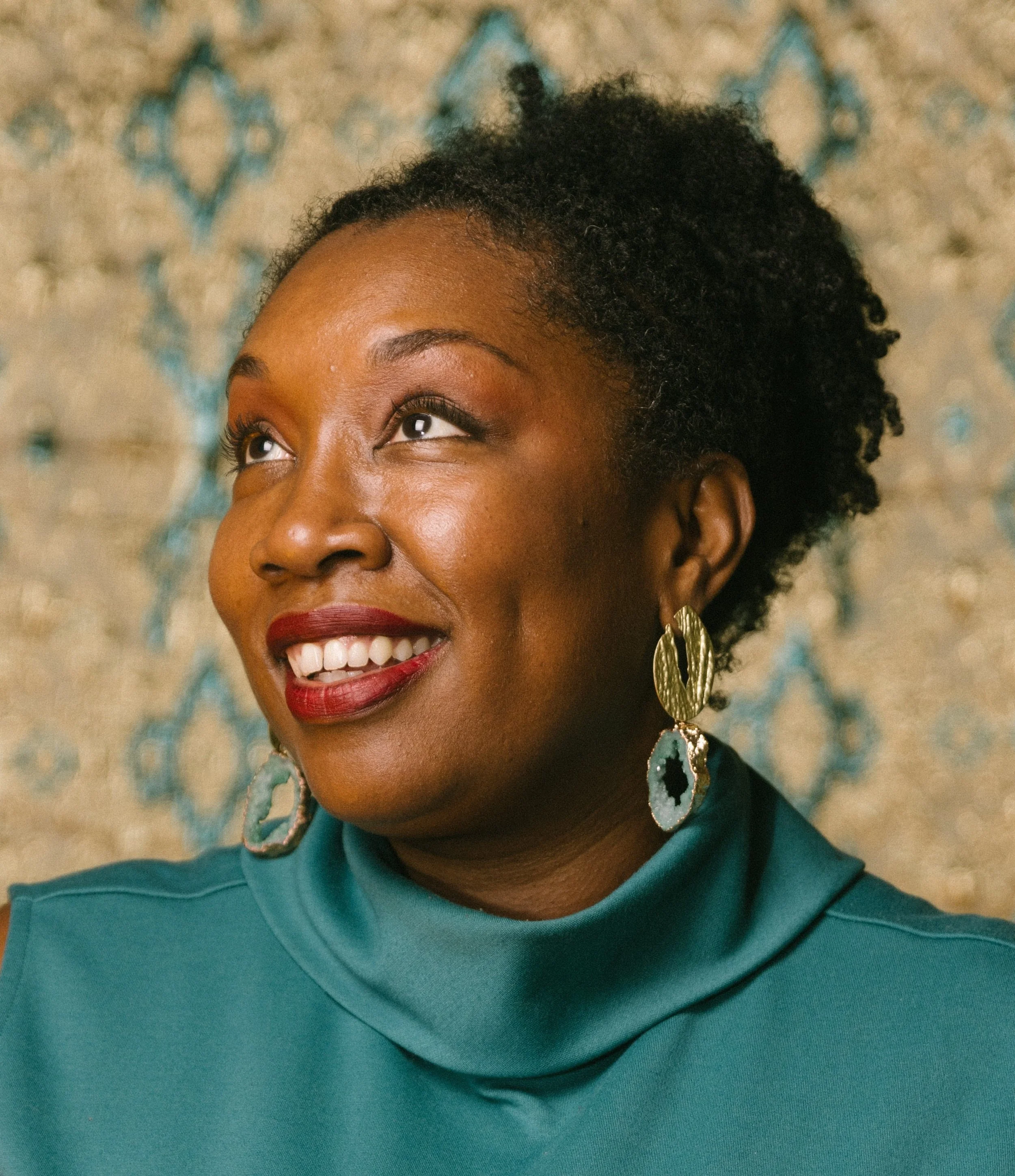
From humble beginnings in the small-town South to climbing the corporate ladder, Charlene Polite Corley brings a warm, engaging, and authentic style of leadership to her teams and audiences.
Since joining Nielsen’s Inclusive Insights team in 2020, she has led research projects that use Nielsen data in groundbreaking ways to explore representation in media and the experiences of historically excluded audiences.
Her work has appeared across major platforms including Good Morning America, AdWeek, AfroTech, Essence, SXSW, and Cannes Lions, and she was named to Diversity Woman Media’s 2023 Power 100 List.
Charlene lives in Maryland with her husband and their two children.
This conversation with Charlene Polite Corley is part of Women Shaping Creative Spaces, PICHA’s editorial series highlighting women who are shaping culture, creativity, and storytelling across industries.
More from Women Shaping Creative Spaces