

A Night at Zeitz MOCAA by Sankara Yambo
Exploring Cultural Heritage in the Digital Age with PICHA Stock
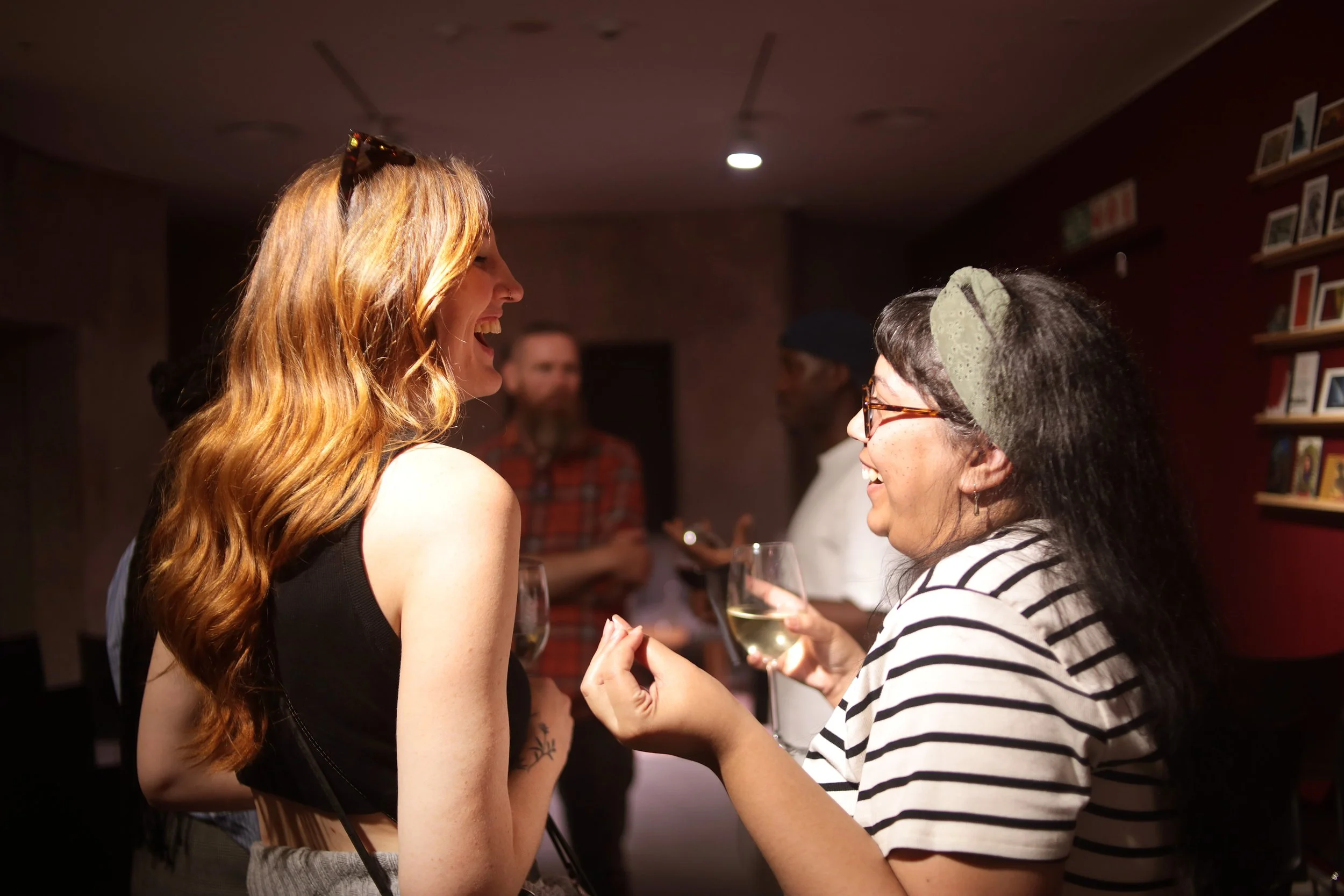
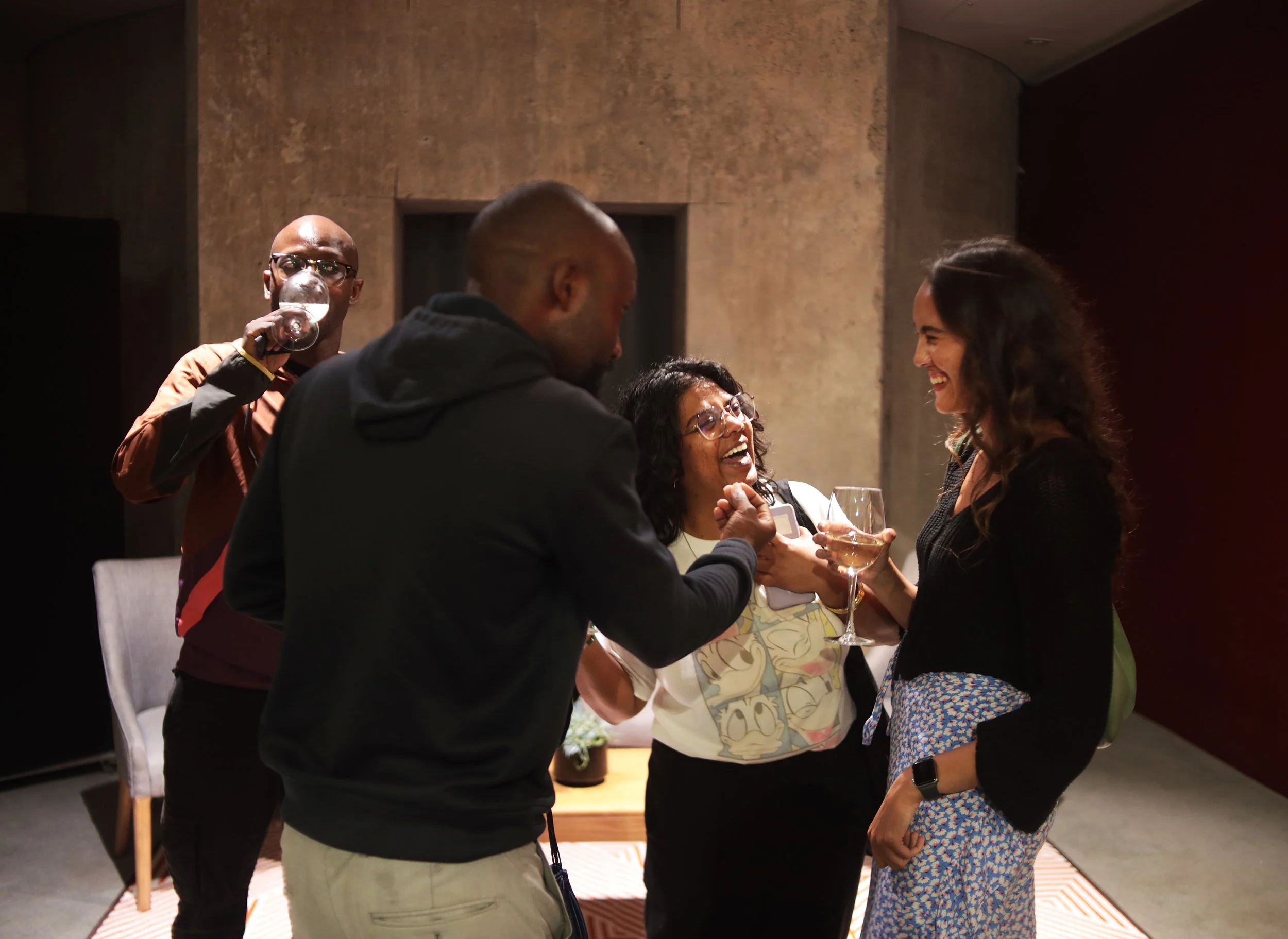
Soft light illuminated the room, ambient lighting casting a warm glow on the contemporary art lining the walls. Guests sipped on an elegant selection of Cape wines, balancing their glasses with well-curated bites — a prelude that set the tone for an evening brimming with curiosity and introspection. The evening was electric, the kind of charged atmosphere abuzz with the promise of a meaningful conversation.
Check out Ayorindes Picha Profile
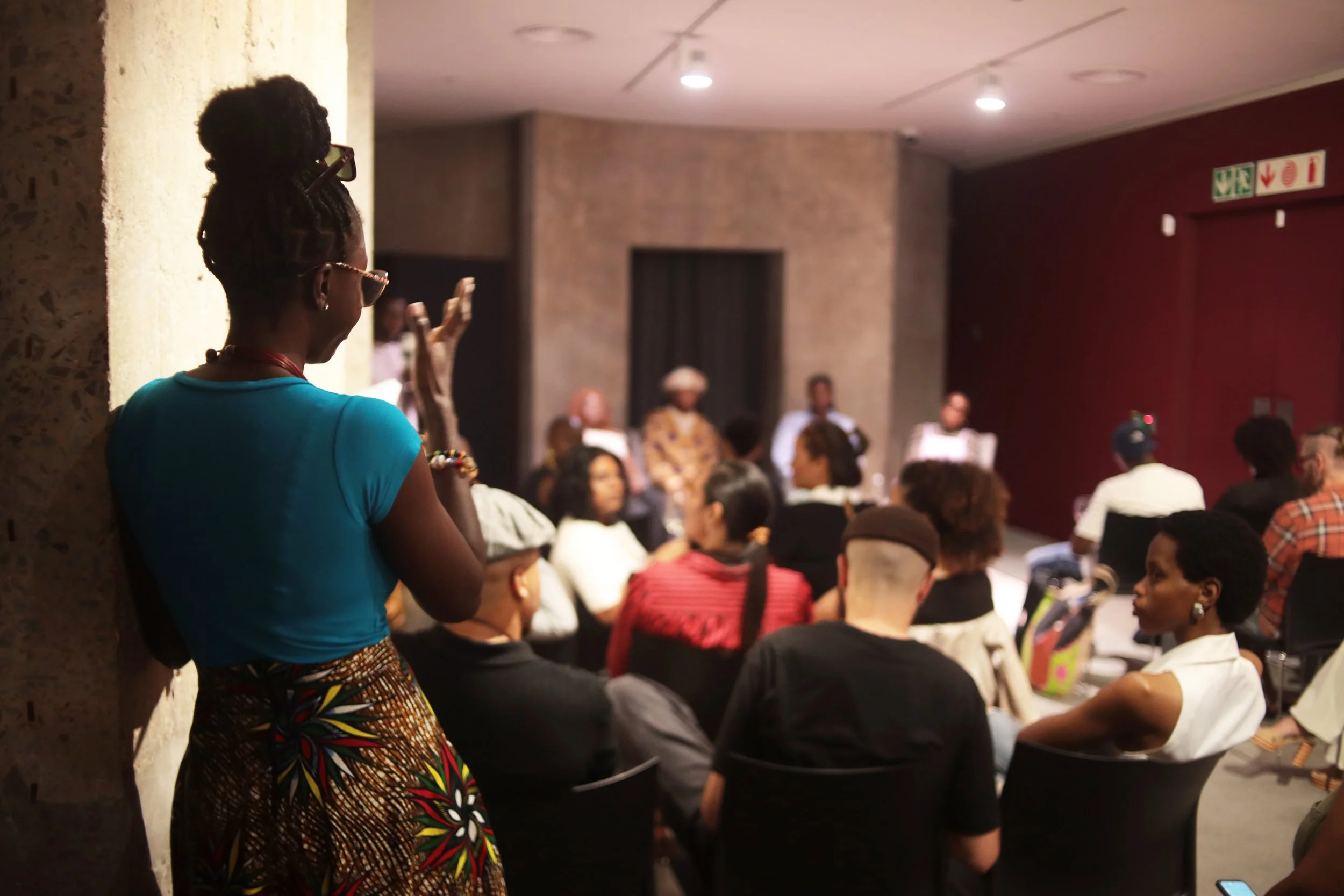
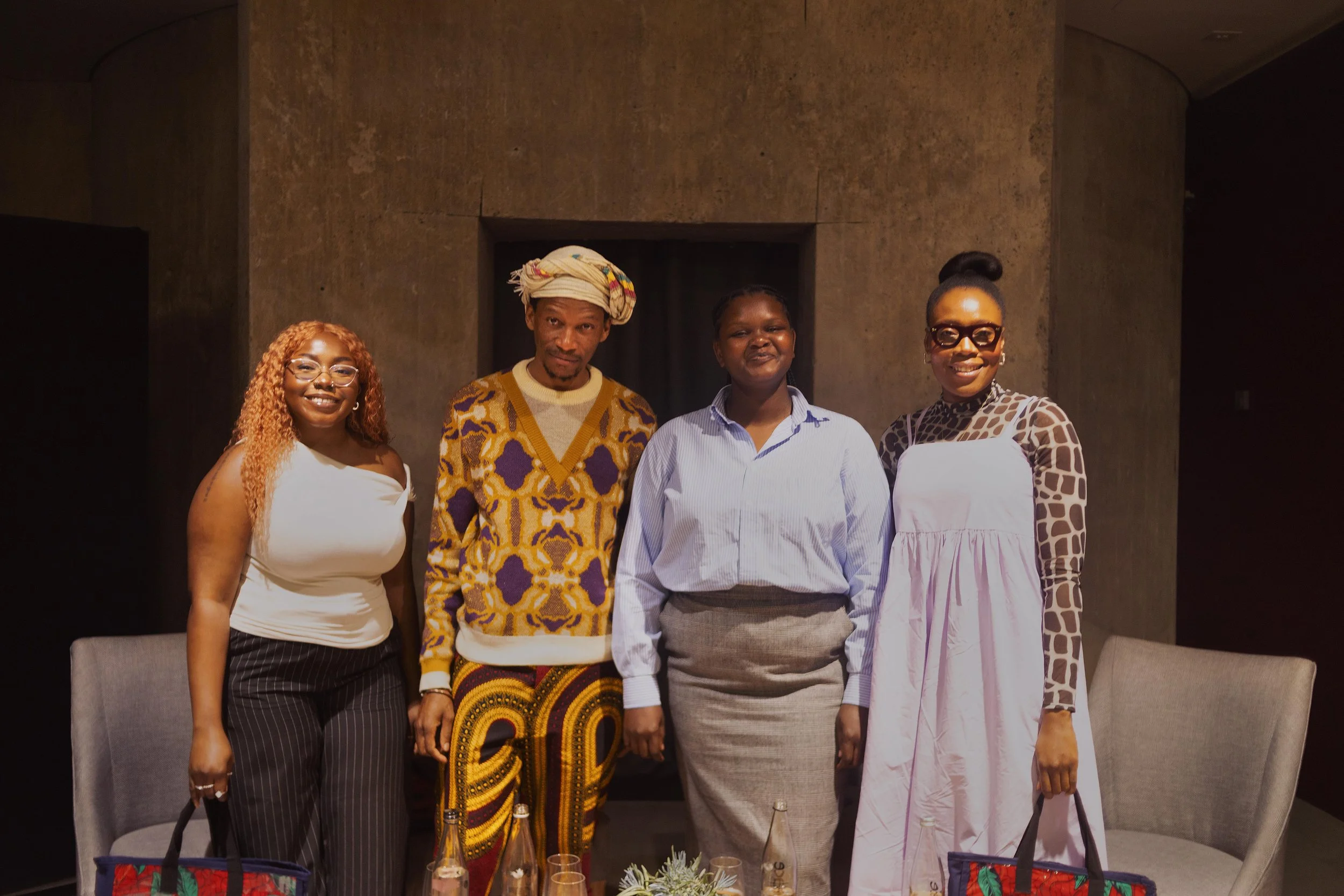
The space was intimate yet vibrant, familiar faces found each other while some made fresh connections. The guests soon settled and the atmosphere shifted from social to anticipatory: “Cultural Heritage in the Digital Age”. Guya Head of Legal and Contributor relations at PICHA (the moderator), opened the floor to panelists: Matsela Moshokoa, the digital trailblazer behind Pathnomad; Atang Tshikare, a prolific artist; and Nonhlanhla Mazibuko, a sharp-minded literary scholar at UCT.
Check out Ayorindes Picha Profile
Atang broke the ice and spoke of the importance of preserving indigenous knowledge systems. His words and experiences served as a reminder that our ancestral wisdom is as vital as ever. Matsela brought a different energy — strong and visionary. She shared her belief in the power of digital technology to enable co-creation and serve as a bridge between past and present, offering communities a way to engage and even expand on cultural work. Nonhlanhla's voice was calm but, poignant through the dialogue with a daunting challenge: to completely rethink how our institutions function.

Check out Ayorindes Picha Profile
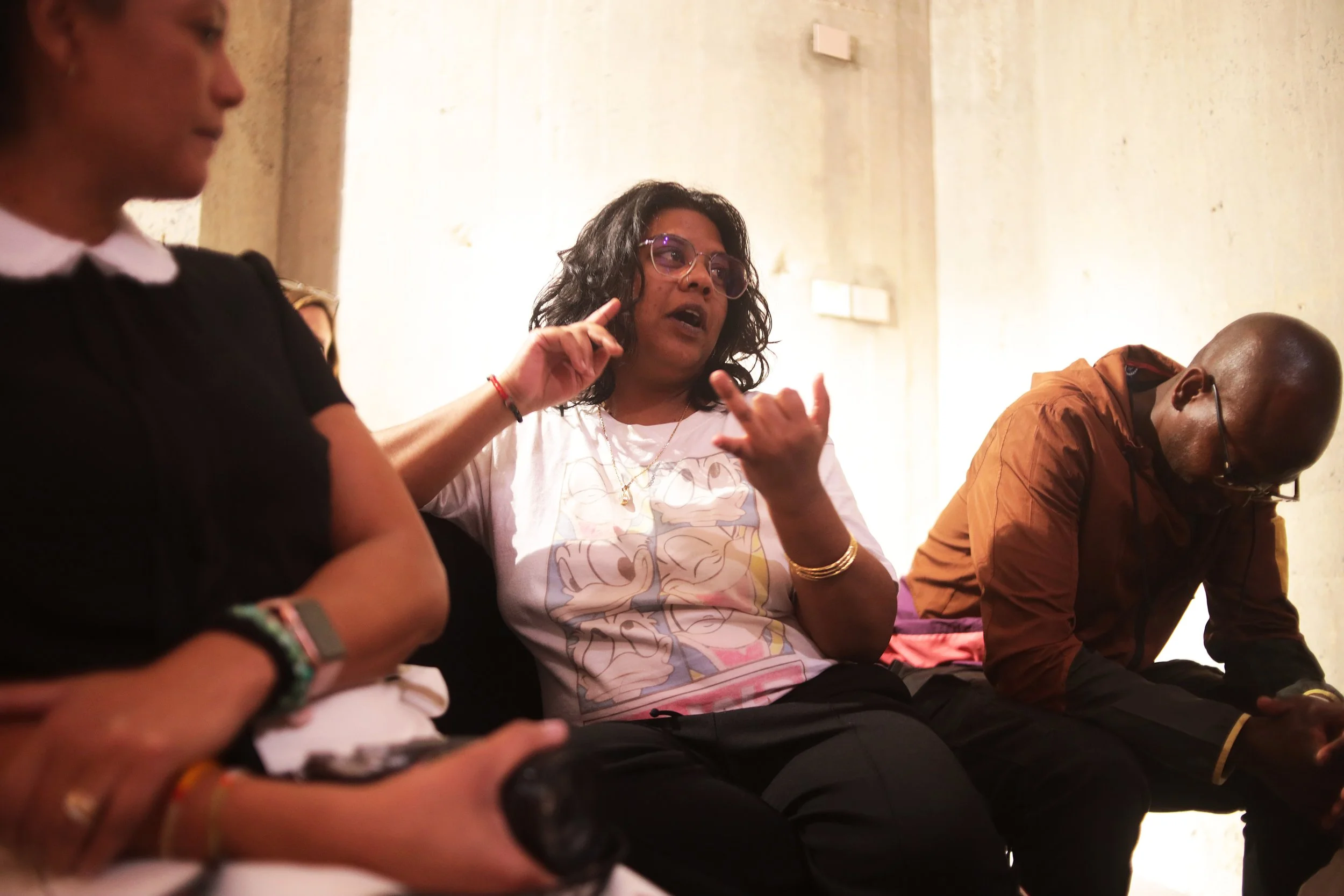
One of the attendees, a now freelance journalist who had worked with agencies for over 15 years shared her concerns. Her entire body of work which was digital had been lost. Among what was lost was the very last interview with Winnie Mandela. She explained that technology isn’t infallible and furthermore isn’t really designed with the interests of minorities at heart. The crowd collectively acknowledged her concerns, even nodding in agreement.
Check out Ayorindes Picha Profile
The message was especially profound in South Africa where the scars of Apartheid still influence cultural and societal structures. Somewhere in the conversation, Guya, the moderator, broke the intensity with a playful exclamation of “Yoh!” — which I had quickly learnt was a common South African exclamation. Everyone laughed and it seemed like the perfect reminder that there is space for lightness even in serious conversations.
Check out Ayorindes Picha Profile
"Can we build new structures that don’t simply replicate old biases but instead celebrate the vast richness of our shared humanity?"
As the night drew to a close, I found myself pulled into conversations exploring whether Afrocentricity can exist within a capitalist framework. I went around the lingering crowds explaining that, for me, investing in systems that keep our sense of play and imagination alive felt like the heart of the matter. Can we build new structures that don’t simply replicate old biases but instead celebrate the vast richness of our shared humanity?
Check out Ayorindes Picha Profile
PICHA’s discussion at Zeitz MOCAA was more than just a discussion — it was a collective imagining of our past, present, and future. As someone in the crowd said, “History will be written about what was discussed that night”. As I stepped out into the Cape Town streets, waiting for the Uber to ferry us to the Air BnB, a bit of wine in my head, I felt a sense of contentment. It was clear: this was just the beginning of a much larger conversation.