

Kibra Unseen: Shaping the Narrative through Our Lenses by Ramadhan Karali
Kibra has always been a place of contrasts, vibrant, yet often misunderstood;
rich in culture, yet predominantly seen through the lens of poverty. For years, the story of Kibra has been told by outsiders, focusing narrowly on the challenges that afflict this community. But this narrative fails to capture the true essence of what Kibra really is: a dynamic community brimming with resilience, creativity, and life. The Kibra Unseen exhibition, recently held by myself and a group of talented photographers, aimed to change this perception. This event was more than just an exhibition; it was an opportunity to reclaim our narrative and redefine how our home is seen by the world.
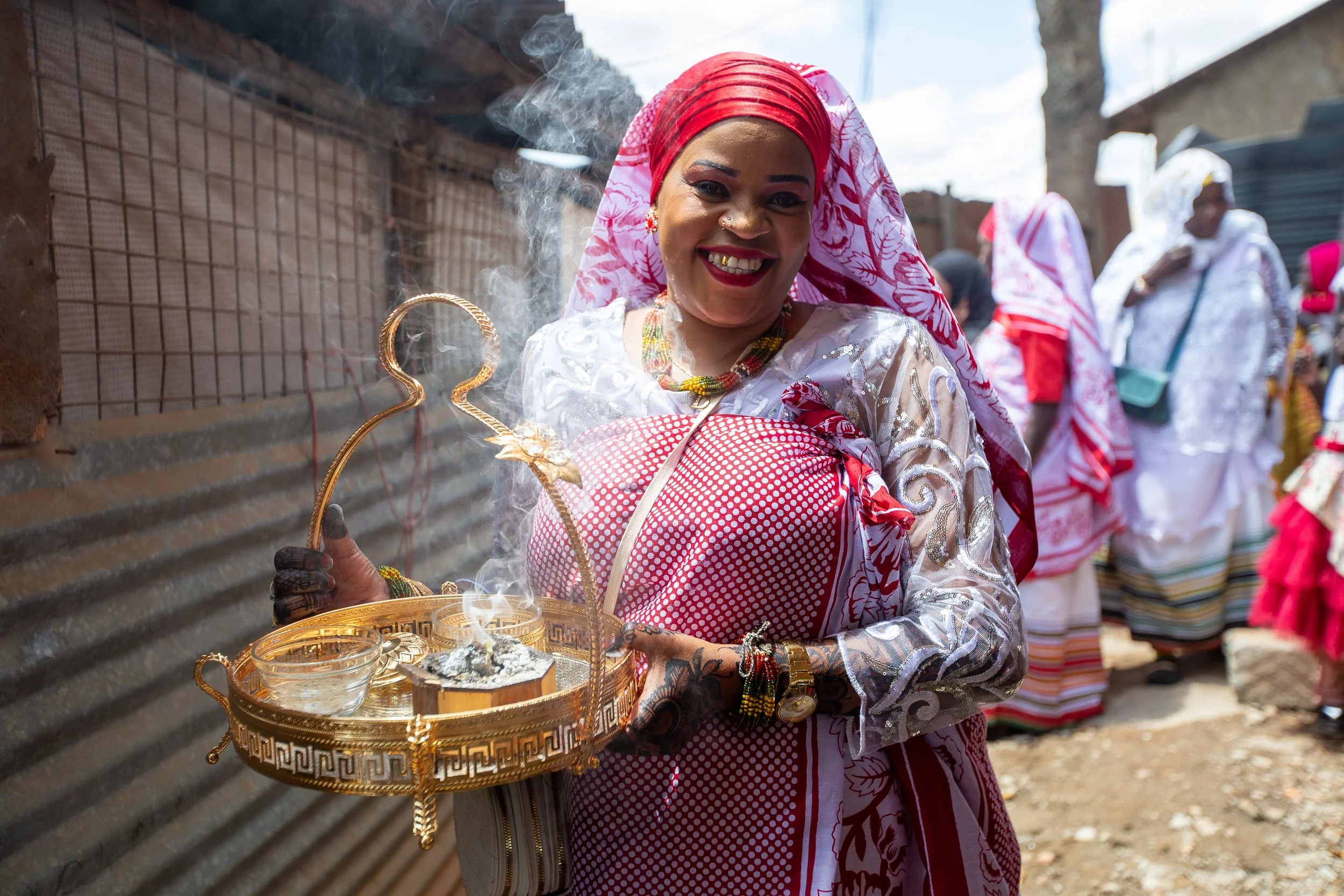
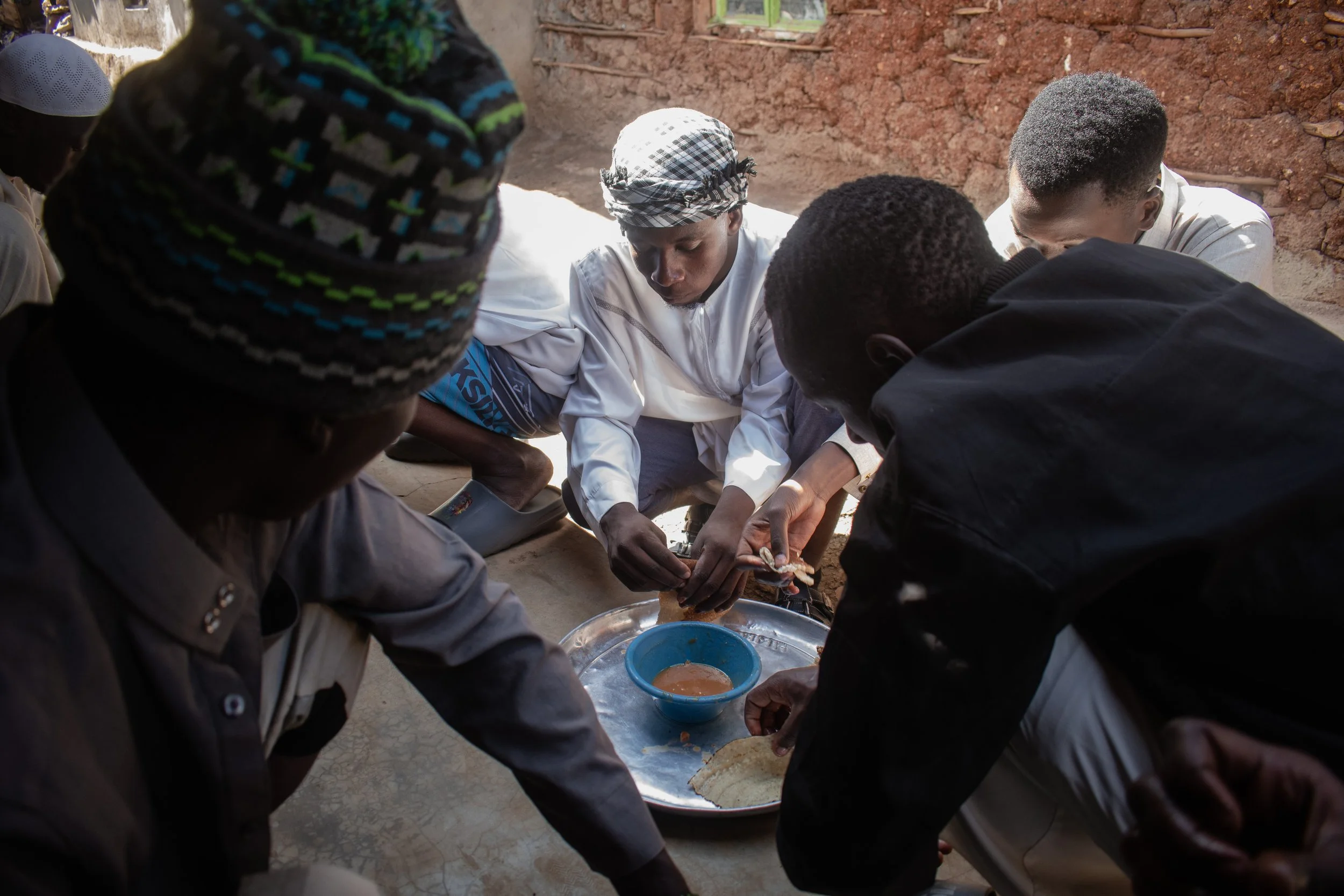
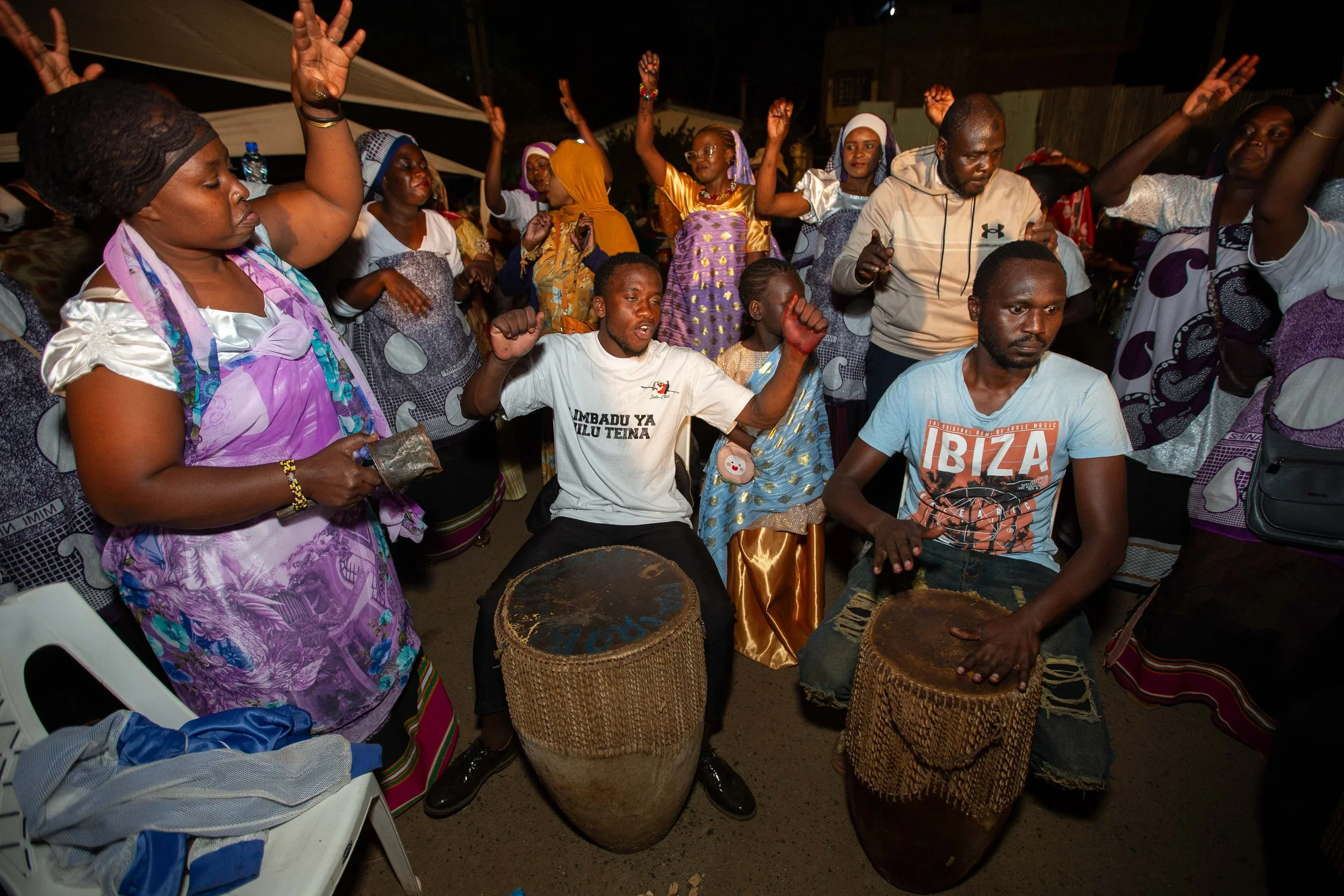
Bringing together diverse perspectives, the exhibition featured works from photographers who live in and deeply understand Kibra. Each photo told a story, not of deprivation, but of the beauty in everyday moments—the people, the bustling markets, the laughter, the cultures, and the shared humanity. We sought to challenge the stereotypes that have long shaped Kibra’s image and to reveal its complexity through the visual medium of photography.
Check Ramadhan portfolio here
Why an Exhibition Matters
The significance of Kibra Unseen extends far beyond the walls of the gallery. It represents a profound shift in how we, as a community, take ownership of our story. For too long, the global narrative about Kibra has been shaped by others—journalists, foreign correspondents, aid organizations—who often reduce Kibra to a backdrop of slums and hardship. While challenges undoubtedly exist, they are not the sum total of our existence.
Through the lenses of local photographers, we can tell a fuller, more nuanced story.
Through the lenses of local photographers, we can tell a fuller, more nuanced story. Photography has the power to freeze moments in time, allowing viewers to connect on an emotional level. It transcends language barriers, drawing people into experiences they may have otherwise never known. By telling Kibra’s story through our lenses, we can reshape perceptions both locally and internationally, shining a light on the dignity, humanity, and unbreakable spirit of its people.
A Personal Journey
For me, this exhibition was especially personal. I have spent years documenting Kibra, not only as a photographer but as a resident. My journey to this point has been driven by a deep desire to present a side of Kibra that is rarely seen. While others may focus on the challenges, I focus on the stories—the human stories that define this space. Through my long-term project, “Who Are the Nubis”, I had the privilege of showcasing a slice of my own culture, the Nubian community, which has played a pivotal role in shaping Kibra’s history.
Check Ramadhan portfolio here
The Nubians of Kibra: A Story of Marginalization and Resilience
The story of the Nubians in Kibra is one of resilience and endurance. Tracing their roots back to the 19th century, the Nubians were brought to Kenya as soldiers in the British colonial army. After their service, they were granted land in Kibra, a name derived from the Nubian word for "forest" where they settled and built a community. Despite their long history in Kenya, Nubians have faced continuous struggles for recognition, citizenship, and land rights.
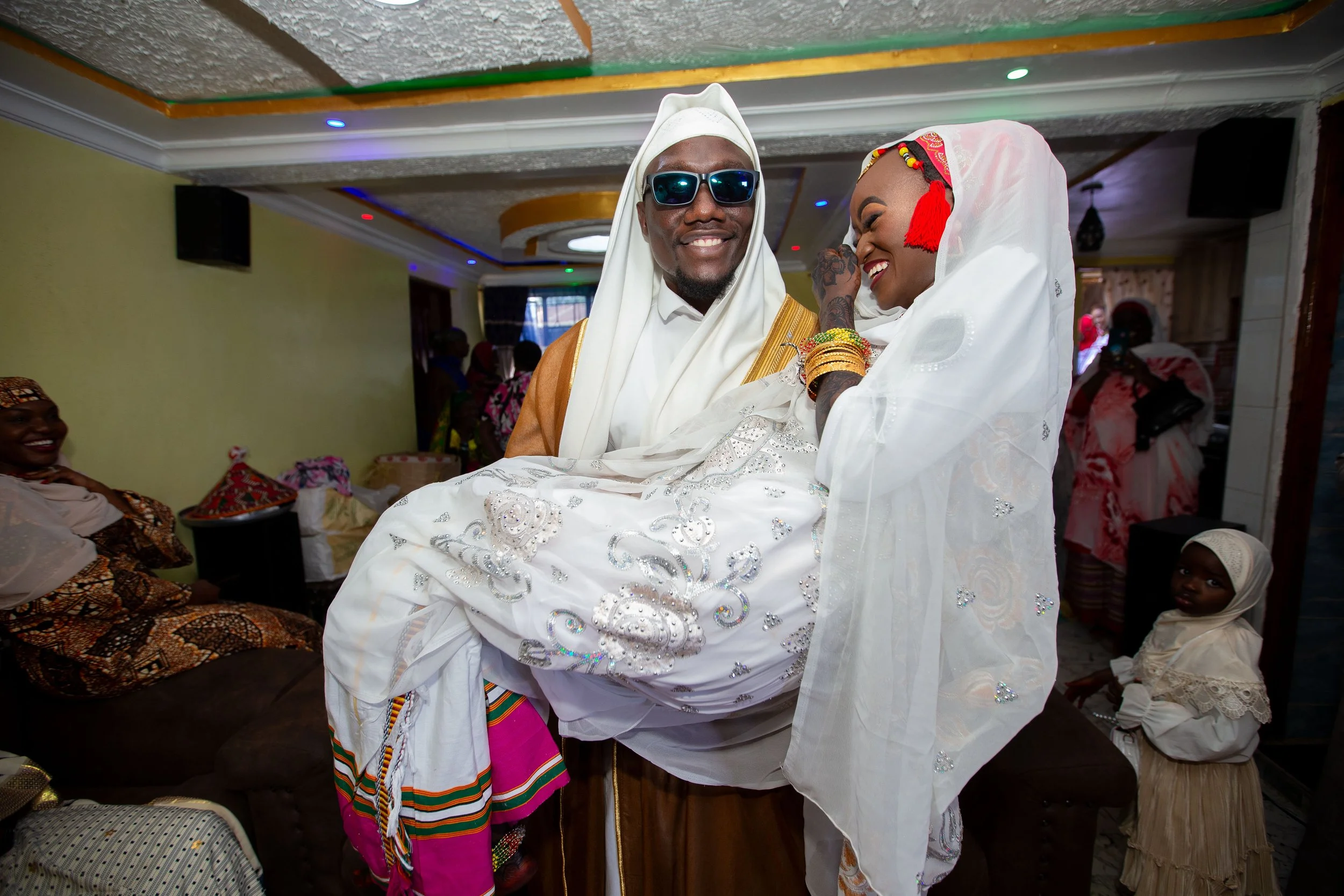
At the Exhibition, I sought to bring to life the beauty and traditions of the Nubian culture, starting with one of the most joyous occasions: a wedding. Nubian weddings are rich in tradition, filled with vibrant colors, intricate henna designs, and ceremonial customs passed down through generations. By showcasing these moments, I wanted to give visitors a window into a culture that is often overlooked and marginalized within the broader Kenyan society. Our culture is our identity, and through photography, I aim to preserve it while shedding light on the Nubians’ ongoing fight for recognition and rights.
Check Ramadhan portfolio here
As photographers, we carry a unique responsibility. Our images do not merely capture moments; they shape perceptions. The visual stories we tell have the power to influence how people view Kibra—whether they see it as a place of potential or remain stuck in old, tired narratives. Photography is a tool for empowerment, giving us control over how our stories are told and who gets to tell them.
We set out to challenge the narratives imposed upon us. We invited people to look deeper—to see beyond the surface, beyond the stereotypes, and to engage with the heart of Kibra. The food stalls that line the streets, the children playing soccer on dusty pitches, the vibrant markets pulsing with life—these are the images we want the world to see. Kibra is more than just a place of survival; it is a place of innovation, creativity, and cultural richness.
The exhibition was just the first step. There are countless stories yet to be told, and through our lenses, we will continue to share them with the world. Every photograph is a chapter, and together they create a narrative of Kibra that is far more diverse and inspiring than most people realize. We want the world to see Kibra not as a space defined by its struggles but as a community defined by its people—their strength, their traditions, their dreams.
Check Ramadhan portfolio here
In the coming years, we will continue to shape perceptions and challenge the dominant narratives. Kibra deserves to be seen for what it truly is—a place of pride, culture, and limitless potential. With every photo we take, every story we share, we are not just documenting Kibra; we are redefining it.
Together, we are telling Kibra’s story the way it deserves to be told—authentic, raw, and beautifully human. And the world is finally beginning to listen.