

Why Storytelling and Emotion Still Matter In The Age of AI.
By Ramadhan Karali
Artificial Intelligence is moving faster than we ever imagined, mastering lighting setups, generating flawless poses, and replicating the techniques of the world’s best photographers with almost frightening accuracy. But in this race toward perfection, something essential is quietly slipping away.
We need to return to the place of storytelling. Photography was never meant to be just about colors, sharpness, or poses. It was meant to hold stories, stories that live forever.
Today, AI-generated videos and images are not only reshaping creativity; they are also distorting reality. In places like Sudan, synthetic visuals are being weaponized to push propaganda, manipulate emotions, and rewrite the truth on the ground. When it becomes impossible to distinguish what is real from what is engineered, truth becomes fragile. In that fragility, the responsibility of authentic storytelling becomes heavier than ever before.
In the photography world, many of us have been reflecting on what AI means for our craft, especially street photography, documentary work, and photojournalism. And the truth is this:
These genres will outlive every trend and every technological leap because they carry the weight of real human life. Their imperfections are their strength. Their rawness is their identity. Their human touch is their unshakeable power.
Street photography doesn’t ask for perfect skin tones; it asks for real moments. Documentary photography doesn’t chase symmetry; it chases meaning. Photojournalism doesn’t seek filters; it seeks truth.
These images stand in front of the world and say, “Here is what’s happening. What will you do about it?” They provoke. They disturb. They inspire. They move societies to act.
History is full of proof. One of the most powerful examples is Mohamed “Mo” Amin’s documentation of the Ethiopian famine. His work wasn’t glossy. It wasn’t made to impress. It was raw, unfiltered storytelling. Through his lens, the world saw hunger, desperation, and the tenacity of a people fighting to survive. And the world responded. Nations rallied under the banner We Are One, sending help because the images touched something deep within the human spirit.
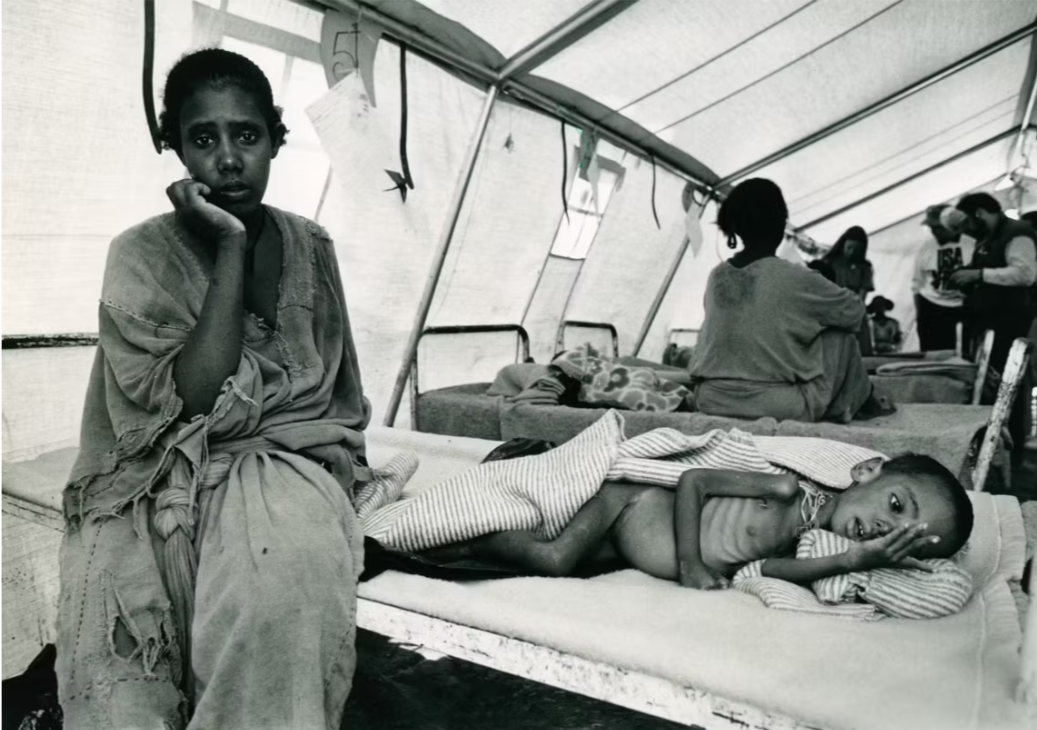
A mother and her child at the Red Cross hospital in Korem, Ethiopia, 1985. THE MOHAMED AMIN COLLECTION
No AI can do that. Not unless it steals from something a human has already lived.
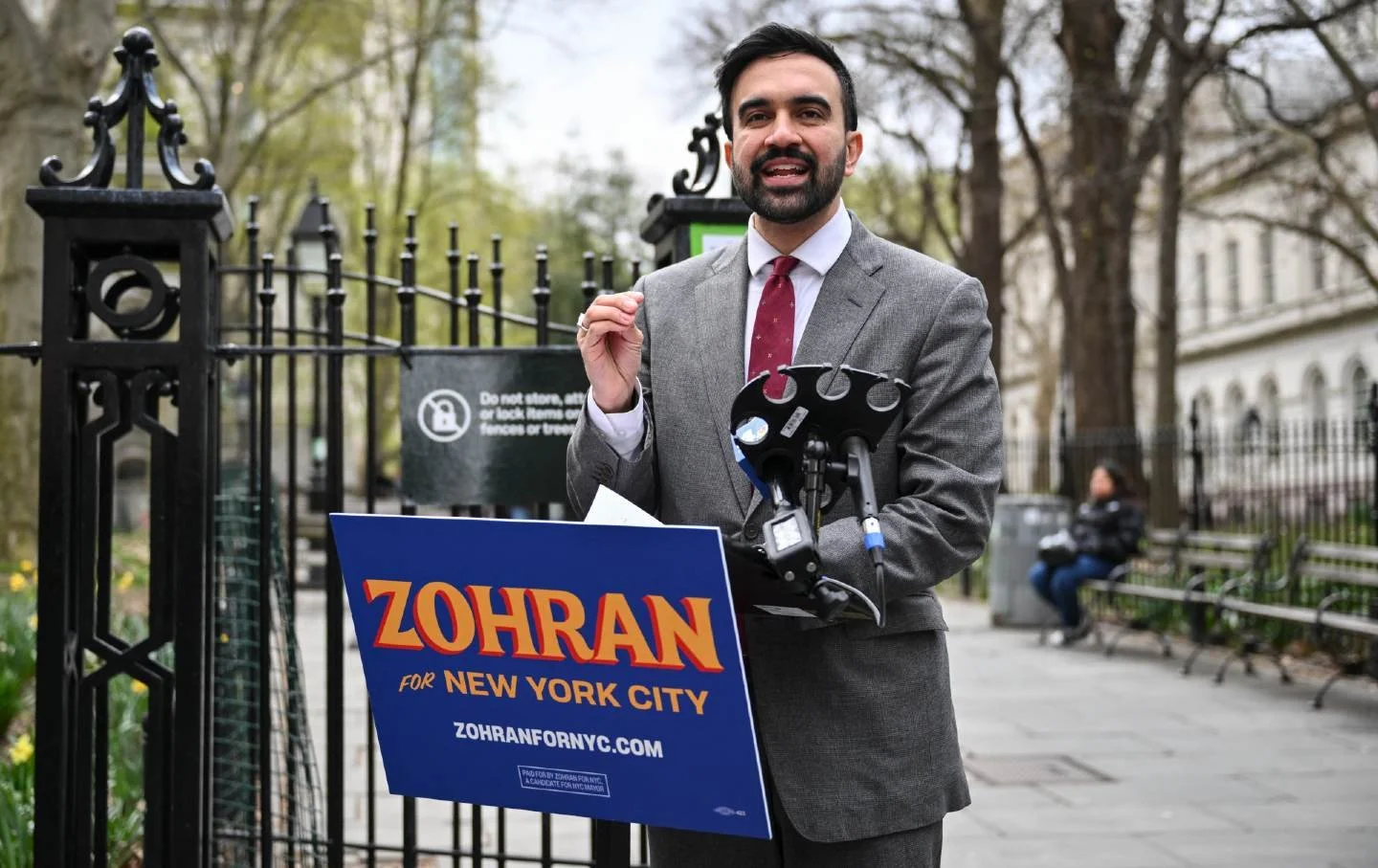
Storytelling has always shaped power and still does. Zohar Mamdani, the newly elected Mayor of New York, is a great example. His political rise was not built on spectacle but on a narrative grounded in truth, community, and authenticity. His campaign resonated because it spoke to people’s actual lives, their struggles, their hopes, and their dignity. He won not through noise but through humanity. Through stories, people could see themselves in.
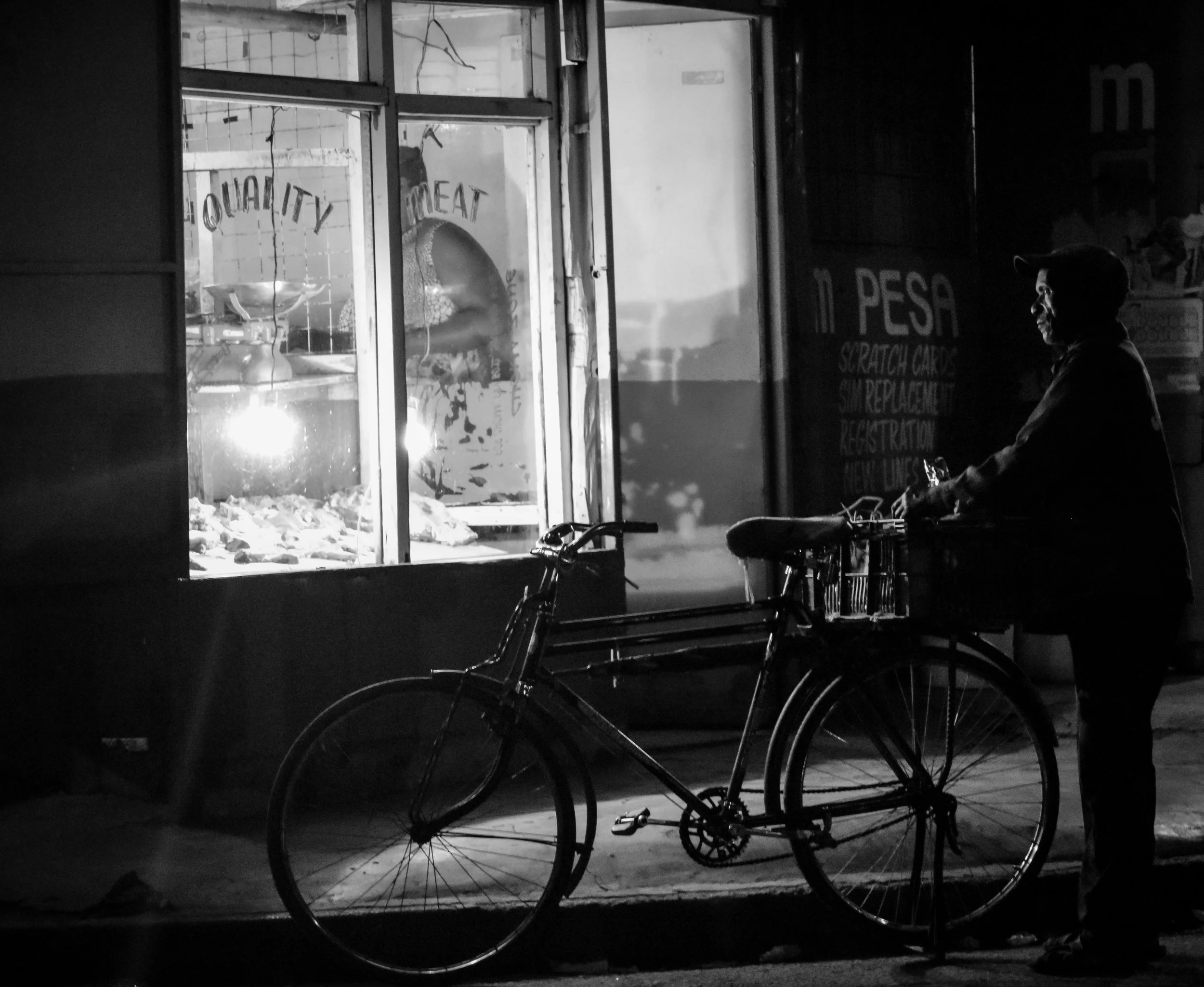
And even closer to home, even here in Kenya, we have brands that have built their entire identity around storytelling, not trends, not hype, not hollow perfection. Think about Safaricom.
For more than a decade, they haven’t just marketed products; they’ve told human stories. From “Niko na Safaricom” to “Twaweza,” their content has always centered on real Kenyan lives, the boda rider, the farmer, the student, the grandmother with an old phone but a big heart. Their campaigns resonate because they feel lived. They feel familiar. They remind us of who we are.
What connects all these brands is simple: They lead with people, not perfection. They build stories around real emotions, real communities, and real identity.
AI can imitate technique.
AI can sharpen your image.
AI can generate a perfect scene.
But AI can never understand why a story matters.
It cannot feel urgency.
It cannot sense grief.
It cannot celebrate joy.
It does not know the weight of a moment.
It only knows patterns.
And when the world is drowning in flawless, machine-generated visuals, increasingly driven by algorithms, it will be the imperfect, emotion-filled, human-made images that rise to the surface.
Because people will always recognize themselves in something real.
Photography and videography, when used with truth, intention, and compassion, become tools for connection, memory, justice, and change. They remind us of what is happening, and they ask us what we plan to do about it.
So yes, let AI help you.
Let it simplify your workflow.
Let it speed up your editing.
But never let it carry your story.
Master the machine, don’t become its masterpiece.
The world doesn’t need more perfect images. It needs more honest ones.
Check Out Ramadhan portfolio here