

On Ethical Photography While Backpacking Across Africa
By Mwivanda Gloria
I read somewhere that, as humans, we are animals who need to be seen; in being seen, we find value in ourselves. When I think about ethical photography in Africa, I understand that it is not about hiding life’s struggles or avoiding images for fear of contributing to “poverty porn.” It is about bearing witness and about seeing the value in every person and place, even those that appear broken.
Photography, at its best, is an act of recognition. Fanon reminds us that true human dignity comes not only from being visible, but from being recognized by others, seen as fully human, not reduced to stereotype or abstraction. Ubuntu philosophy echoes this: “I am because we are.” In the African context, recognition is relational; it is ethical precisely because the act of seeing another affirms their existence, their dignity, and their connection to the community.
As I travel across the continent, I encounter countless faces, fabrics, festivals, textures, and stories. Africa is rich with color, life, and narratives begging to be told. But before I rush to raise my camera, I have learned to pause and see, really see, the person before me. I start with the basics: greeting, self-introduction, expressing genuine interest, asking about meaning, and then seeking permission to capture. In this simple process, the person recognized begins to understand that they have been seen. They are valued. They are noticed, and they are part of a shared story.
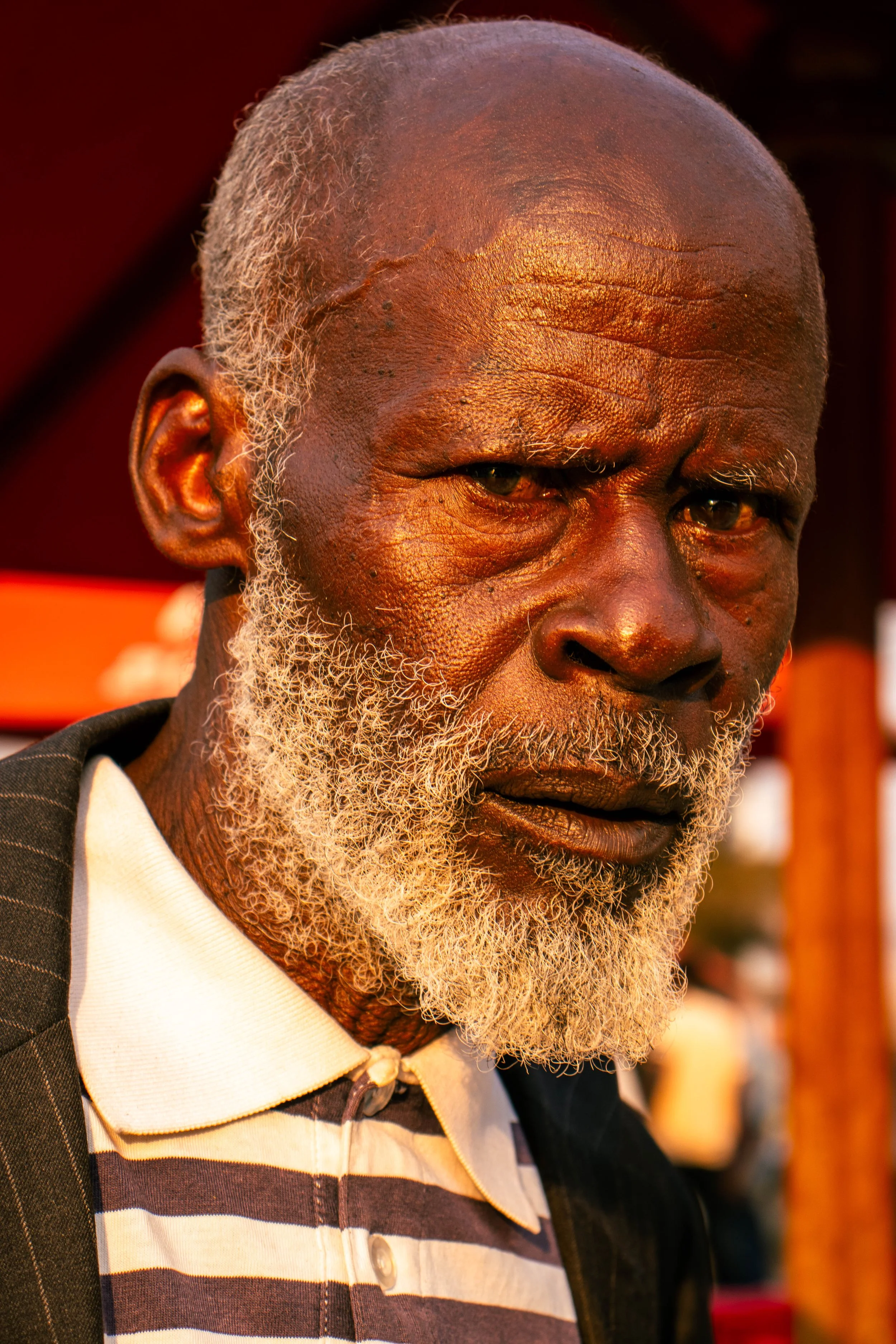
Greeting is a cornerstone of ethical engagement in Africa. Across indigenous languages, greetings are more than pleasantries; they are acknowledgments of existence. They ask after the other’s well-being, their day, their state of being. Even a nod or a smile from a distance carries weight. It says: I see you. I hope you are well. Recognition begins here.
Street photography presents unique challenges. When following the steps above is not possible, the ethical approach is to blend in, observe respectfully, and avoid inconvenience. In busy markets, I may buy a few groceries and photograph from a corner. If possible, I introduce myself to the market leadership, the council, chairperson, or administrator, and ask permission to capture the space. What I have found, time and again, is that once these steps are followed, people open up willingly. They may even adjust their displays to show their best work, revealing trust built through recognition and respect.
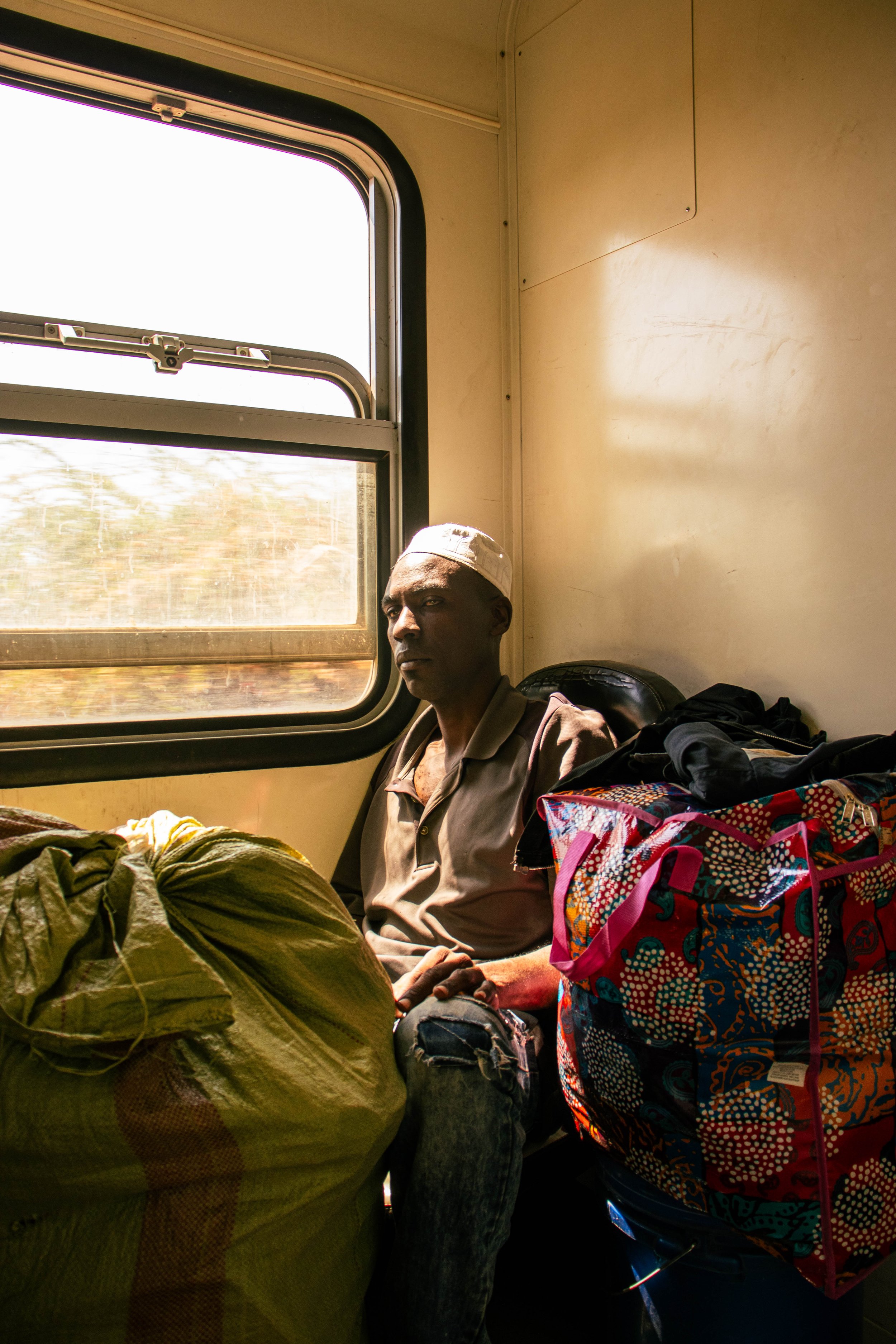
Poverty is not an exclusively African phenomenon. Yet over time, the narrative of Africa has been shaped by images of suffering, so much so that “poverty porn” has become a recognizable genre. As Afrocentric photographers, we bear the responsibility to shift this narrative. We do so by looking through our lenses with compassion, curiosity, and humility, seeking not to exploit, but to honor. Ethical photography is not simply about restraint; it is about actively affirming the humanity, dignity, and agency of those we encounter.
When we see others with care and respect, we enact Ubuntu in practice. I am because you are. Ethical photography, in this sense, is not merely a personal code; it is a relational philosophy, a daily commitment to recognition, and an acknowledgment that our gaze carries moral weight.
To photograph ethically while backpacking across Africa is to remember that every subject, every street, every face, is a participant in a story. And as photographers, our responsibility is to ensure that the story is told with humanity, respect, and recognition.
Picha Profile mwivandagloria