

A Photo Is Never Neutral
By Ramadhan Karali
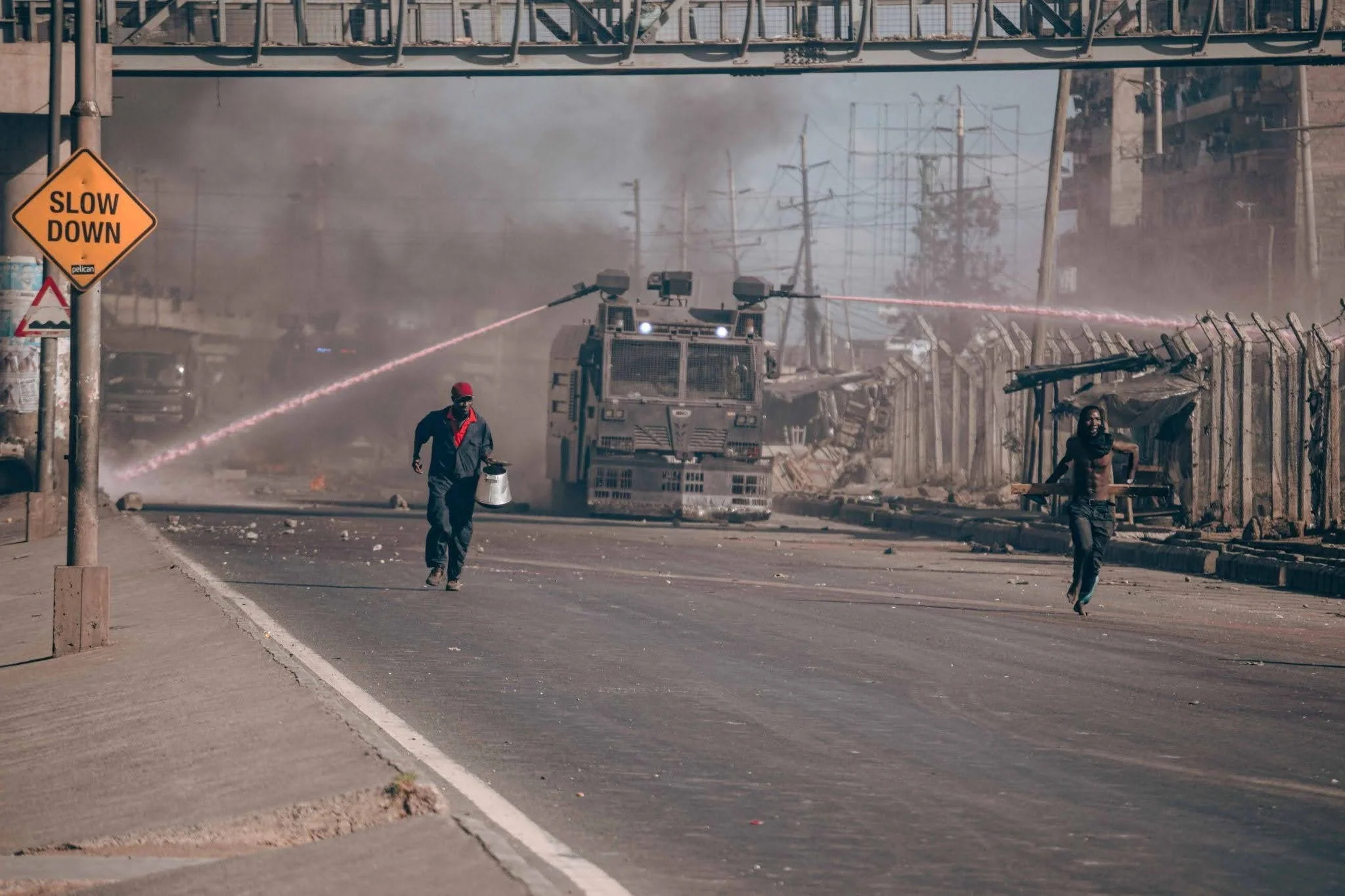
Maandamano 2023, Pipeline, Nairobi
Most Photo-journalists/ Journalists begin with a kind of quiet confidence. The belief that the work is straightforward. That truth, once uncovered, will hold its shape long enough to be captured and shared, untouched.
It doesn’t.
Truth moves. It shifts with where you stand, who you’re listening to, and sometimes with what you decide not to see.
Somewhere in that instability is a question every journalist has to face, whether they admit it or not. Who am I really speaking to?
Because the second you pick up a camera or a pen, you’ve already made a choice. Not only about what to show, but who you’re showing it for.
Is it the audience that will applaud you?
The one that shares your work, agrees with you, makes you feel affirmed?
Or is it something harder. Quieter. Less rewarding at the moment.
The truth.
During the late Raila Maandamano and the Gen Z protests, I found myself in that uneasy space where reality refuses to behave like a headline.
There were the images people expect. Anger. Smoke. Confrontation. They travel quickly. They make sense to those watching from a distance. They confirm what many already believe about protests, about police, about places like Kibra and Kenya in general.
But then there were moments that didn’t fit.
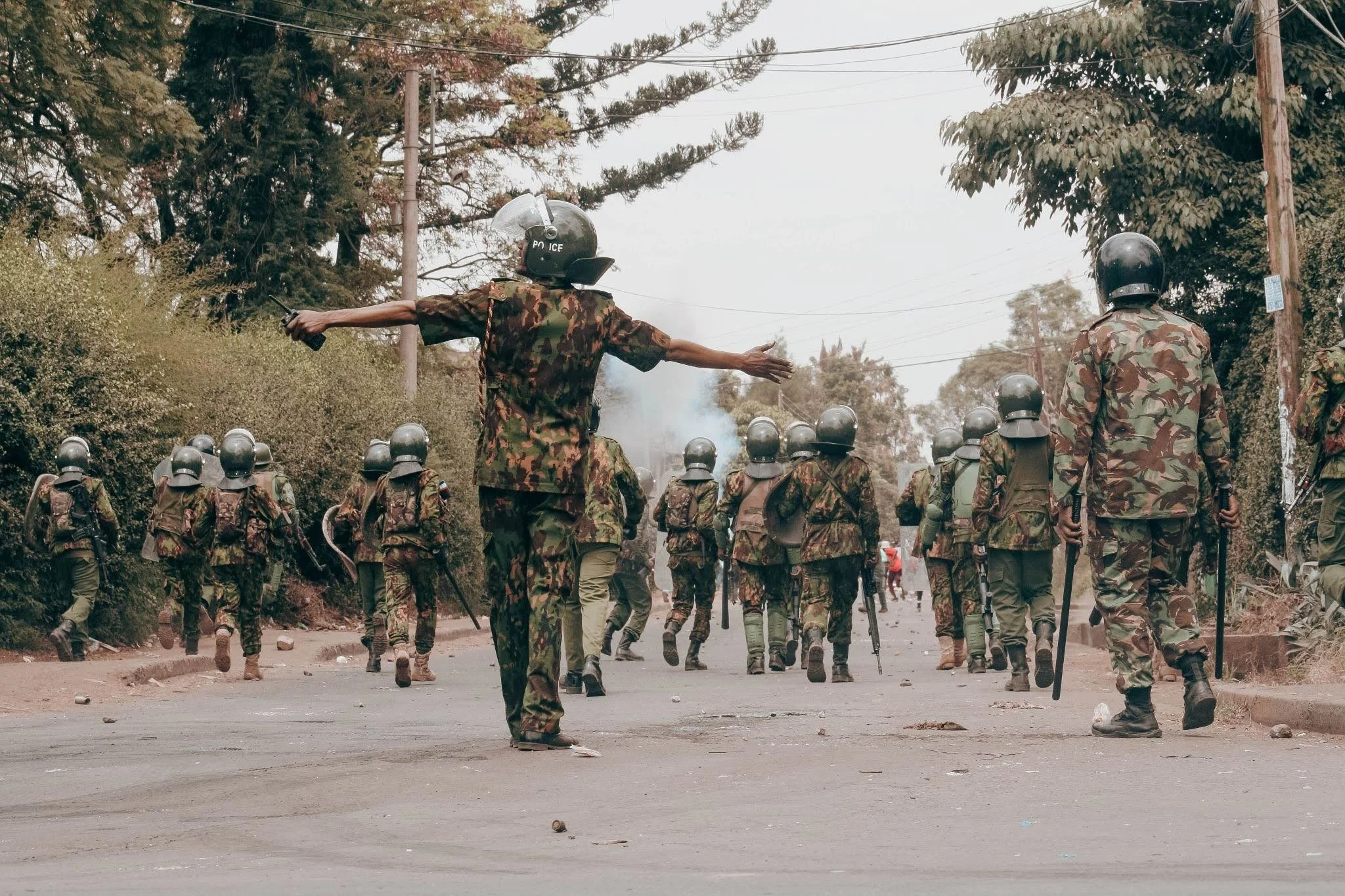
A police officer pulling back his own colleagues.
Another helping someone up from the ground.
An OCS in Kibra speaking less like an enforcer and more like a neighbor, reminding his officers that the protestors were residents. That when the chants fade, they will still share the same streets, the same mornings, the same fragile peace.
“Don’t be violent,” he said. “We will need each other.”
That kind of sentence doesn’t trend.
It complicates the story. It disrupts the easy divide between villain and victim. And that’s where the ethical tension begins.
So what do you do with that?
Do you report it?
And if you do, do you risk softening the very real violence that exists? Do you risk being misunderstood, accused of taking sides, or watering down the story?
Or do you leave it out because it doesn’t fit the version of reality people are already comfortable consuming?
This is the thin line.
Journalism isn’t only about telling the truth. It’s about deciding which truths make it through.
And that decision is never neutral.
As a photojournalist, I’ve learned that a photograph doesn’t lie. But it doesn’t tell the whole truth either. It frames. It isolates. It lifts a fraction of a second and gives it weight over everything that came before and everything that followed.
A burning tyre can define an entire day.
A small act of kindness can vanish without a trace.
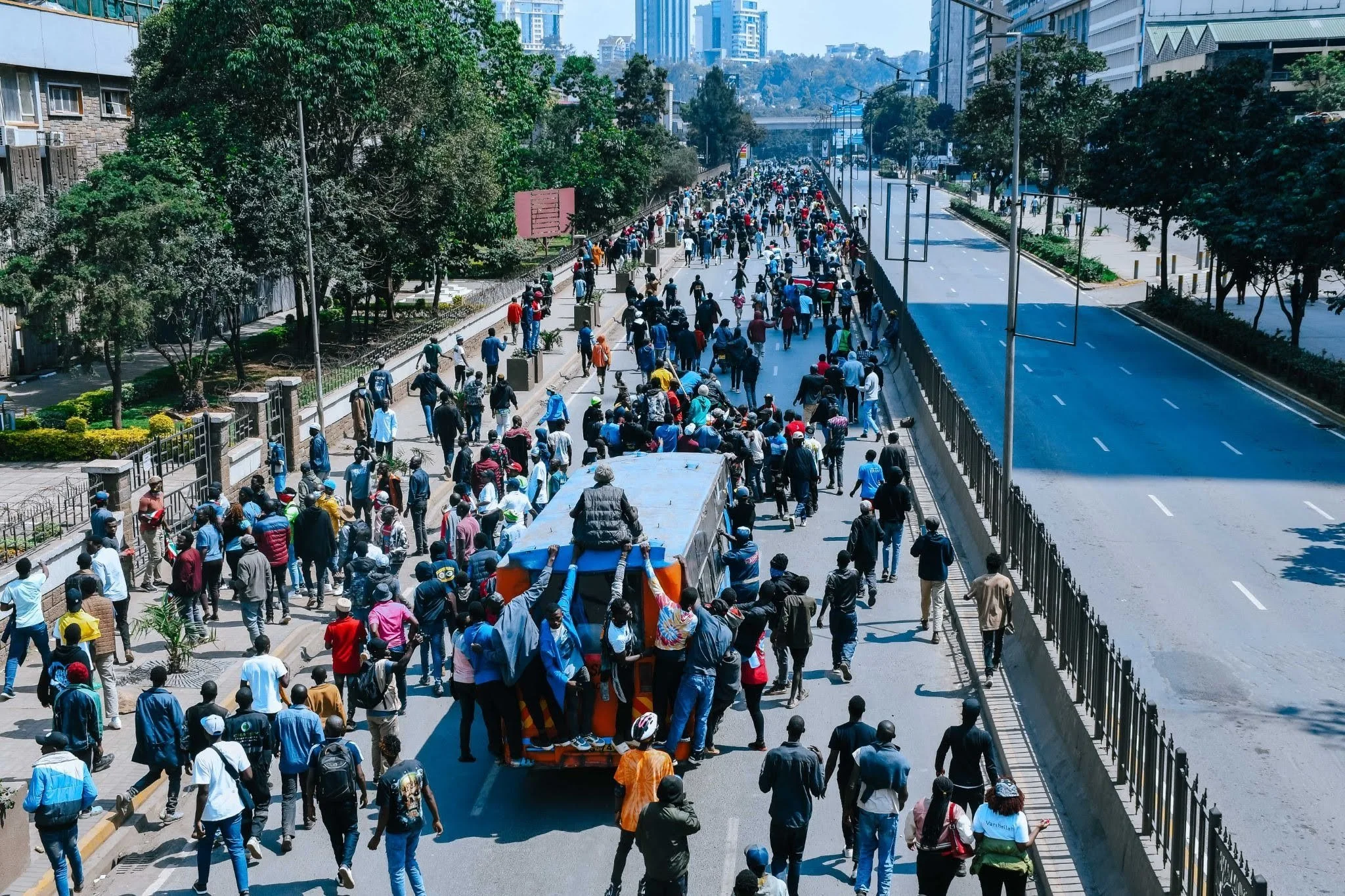
So the question isn’t whether you take sides.
You already have.
The moment you press the shutter, you’re saying, this matters more than everything I chose to leave out.
There’s always a temptation in journalism to perform for the audience. To shape stories so they keep people engaged, comfortable, certain. To offer clarity even when reality doesn’t have any.
But clarity can be dishonest.
And honesty often feels incomplete.
If you write to be liked, you’ll soften the edges. You’ll make the world easier to take in than it really is. You’ll find yourself leaning, consciously or not, toward what your audience expects.
But if you stay with the truth, fully and stubbornly, you will unsettle people. You’ll tell stories that don’t resolve neatly. You’ll show contradictions many would rather not confront.
You might lose the applause.
But you keep your integrity.
So who is the audience?
It isn’t only the person scrolling through your work. It’s also the people inside the story, the ones who will live with the consequences of how you chose to show them.
The protestor.
The officer.
The woman standing in her doorway in Kibra.
And quietly, it’s also you.
Because long after the images are out there and the words have been read, you’re the one who has to live with what you chose to show and what you left in the shadows.
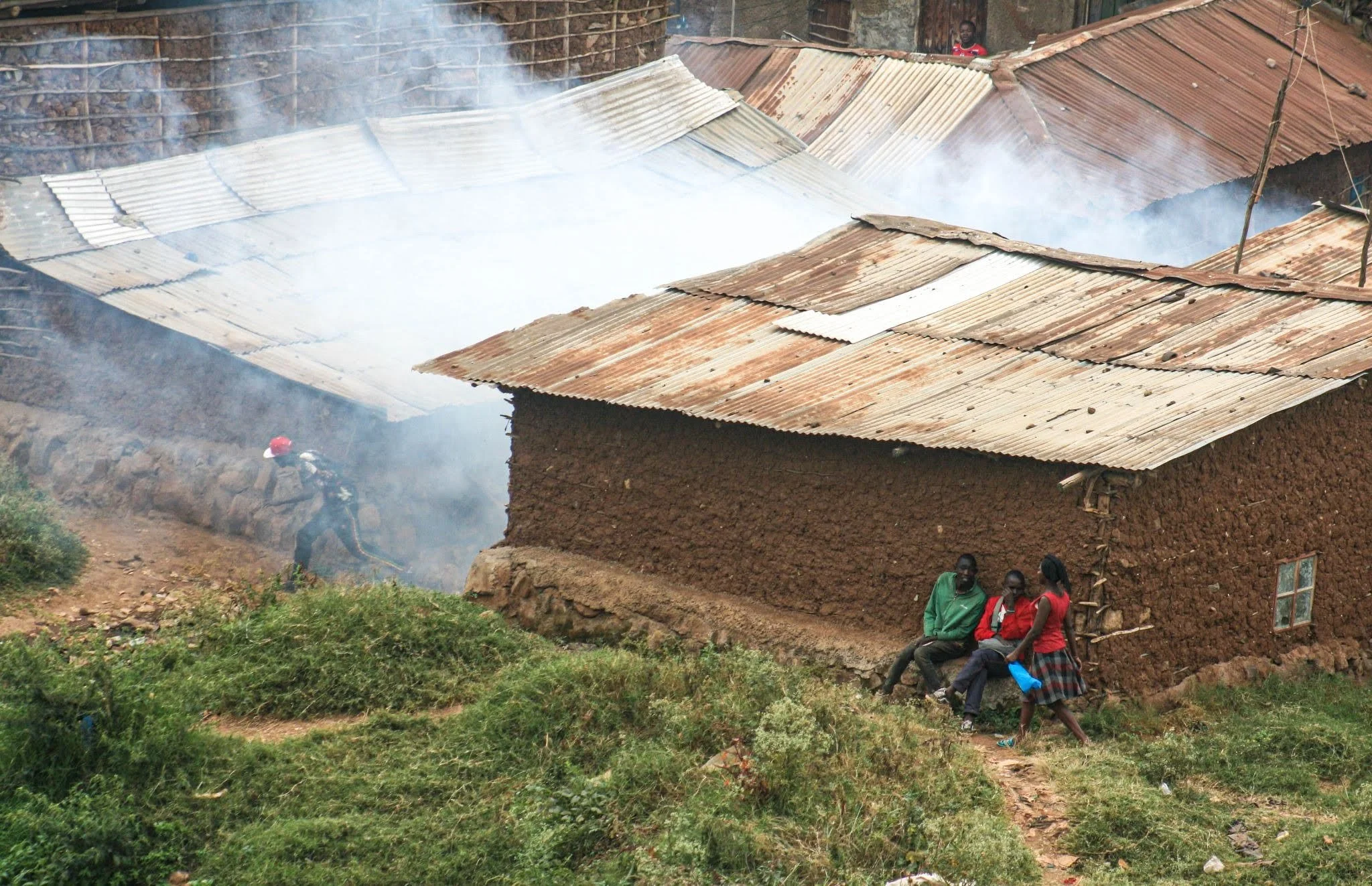
A photo is never neutral.
Neither is silence.
And a narrative, once it enters the world, can shape perception just as powerfully as any weapon.
That’s the weight of this work.
You don’t carry a gun.
You don’t enforce the law.
But you shape what people believe happened.
And that kind of responsibility asks for something deeper than approval.
It asks for courage.
The courage to sit with complexity without rushing to simplify it.
The courage to tell stories that feel unfinished.
The courage to stand inside contradiction and still press the shutter.
In the end, Photo journalism/ Journalism isn’t about being liked.
It’s about being honest enough to show the world as it is, even when it refuses to make sense.