

The Collective Trauma of Being Seen by the Other
By Gloria Mwivanda
Photographing in the countryside has opened my eyes to what I now recognize as the collective trauma of being seen by the other.
Whenever I ask to take a photo, the first question people often ask is:
"Unataka kutuuza kwa wazungu?"
– Do you want to sell us to the white people?
At first, I assumed this question stemmed from a lack of understanding about the role of photography and representation, particularly stock photography, where subjects are not required to pose or "say cheese." But over time, I’ve come to understand that the question reveals a deeper, historical wound.
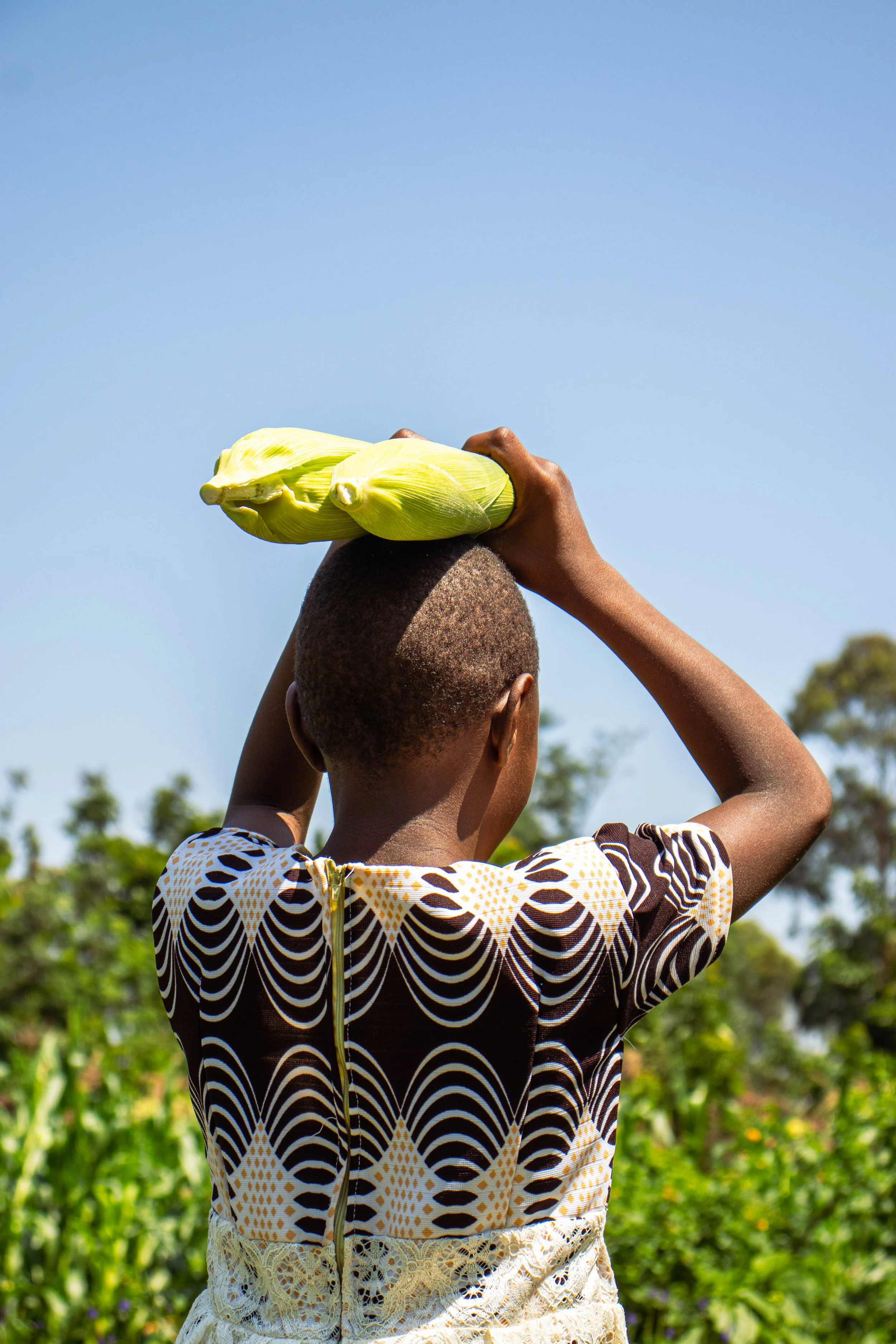
Picha Profile mwivandagloria
Historically, the representation of Africans through images and descriptions was largely shaped by early European explorers. French explorer Edouard Foa, among others, documented his travels through photographs. Those who didn’t carry cameras, like Henry Stanley or David Livingstone, made detailed drawings and wrote poetic descriptions of the so-called “native savages” of the Dark Continent. These representations, however stylized or descriptive, were often used as tools to invite settlers, encouraging conquest and occupation by painting Africa as a land rich in resources but inhabited by “uncivilized” people. In a way, these early visual and written accounts were stock imagery for colonialism.
The photographs and illustrations from that era still carry an eerie weight. The women and children, often with protruding bellies, stand unclothed before mud huts; the men, holding spears, wear only loincloths or nothing at all. Their expressions are blank, their dignity stripped away. These images were not neutral. They were composed to show inferiority, the absence of cotton and linen, the lack of visible material wealth, and to reinforce the belief that Africans were less human, less cultured.
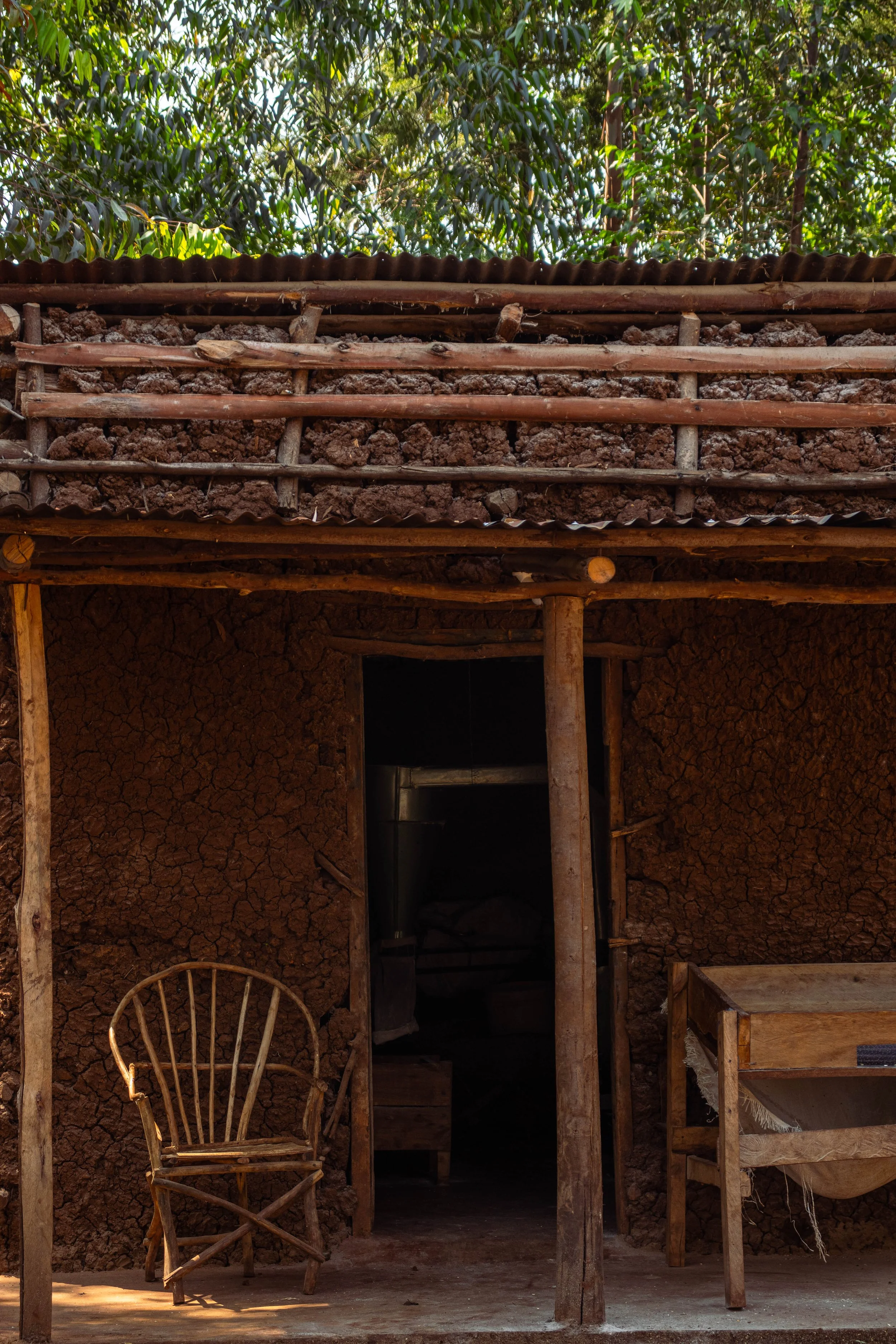
Picha Profile mwivandagloria
This narrative was embedded in the worldview of many explorers before they even set foot on African soil.
In his poem Stanley Meets Mutesa, poet David Rubadiri captures the tension of first contact:
No singing women chant a welcome
Or drums to meet the white ambassador
Only a few silent nods from aged faces
And one drum roll
To summon Mutesa’s court to parley
For the country was not sure.
…A tall black king steps forward,
He towers over the thin, bearded white man,
Then, grabbing his lean white hand,
Manages to whisper:
"Mtu mweupe, karibu."
Here, we see people who are uncertain, yet respectful, welcoming the other. And yet, the white man, deeming himself superior, would go on to craft narratives that diminished the dignity of his hosts. More than a century later, many Western journalists and adventurers still arrive in Africa carrying similar biases. They document and celebrate its wild landscapes and people, sometimes with awe, often with pity, and then return home with curated images and stories that reinforce a hierarchy of cultures.
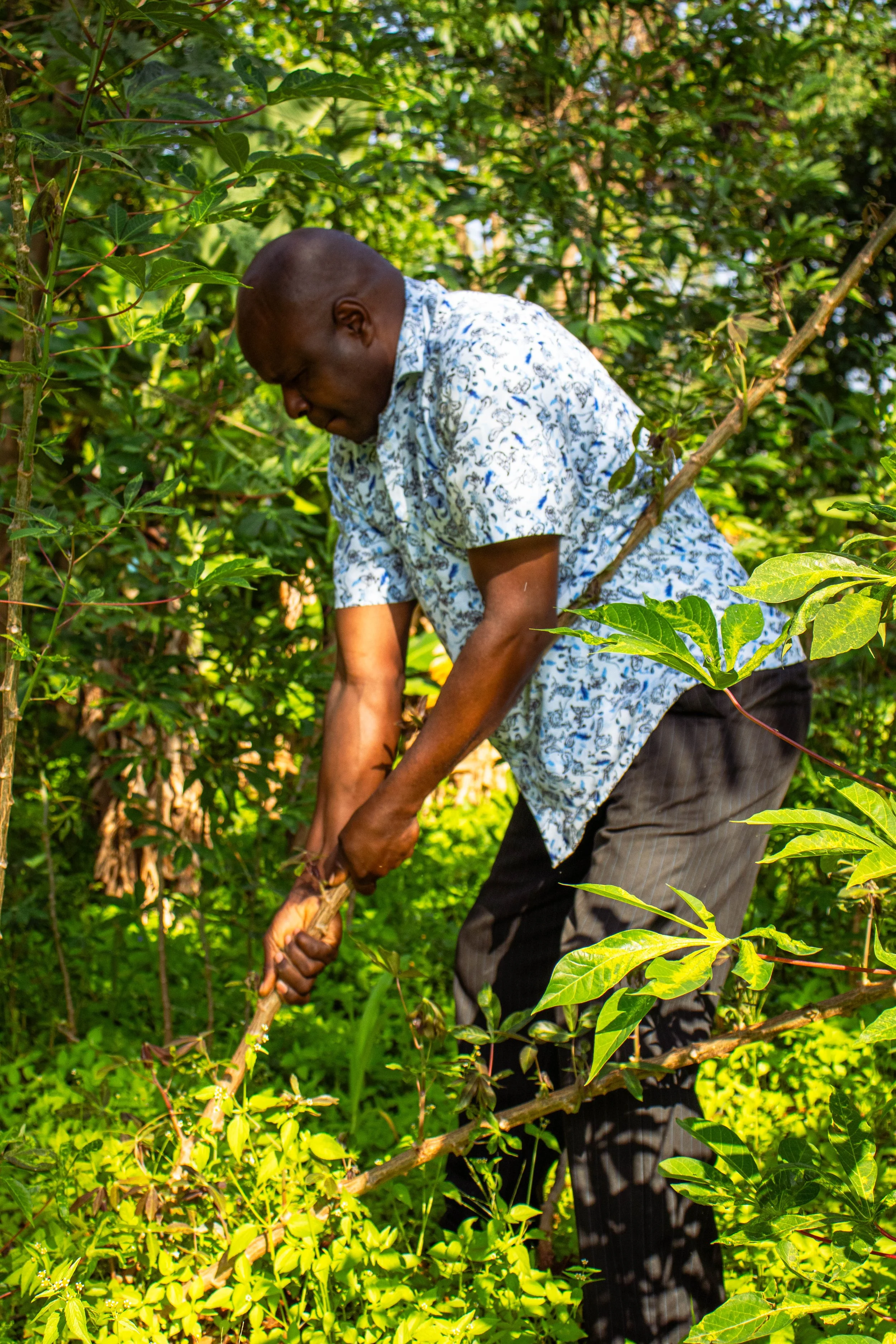
Picha Profile mwivandagloria
This is the collective trauma of being seen by the other, “the other” here meaning non-African audiences, particularly from the West.
I was reminded of this at a poetry performance last month by an Ethiopian poet. One of her pieces, titled There Exists an Image of My People in Your Mind, opened with a haunting line:
“There exists an image of my people in your mind —
of a child with a protruding belly and skinny legs,
bulging eyes staring into oblivion,
taking their last breath…”
It struck me deeply. Indeed, there exists such an image, one shaped not by the people themselves, but by the gaze of the other. This image has endured in the global psyche, becoming a kind of myth that Africans are forced to perform, defend against, or disprove.
This is the collective trauma of being seen by the other, “the other” here meaning non-African audiences, particularly from the West.
It is a trauma not just of misrepresentation, but of extraction: the gaze that takes, edits, packages, and sells an idea of us.
And this is why rewriting the narrative is vital.
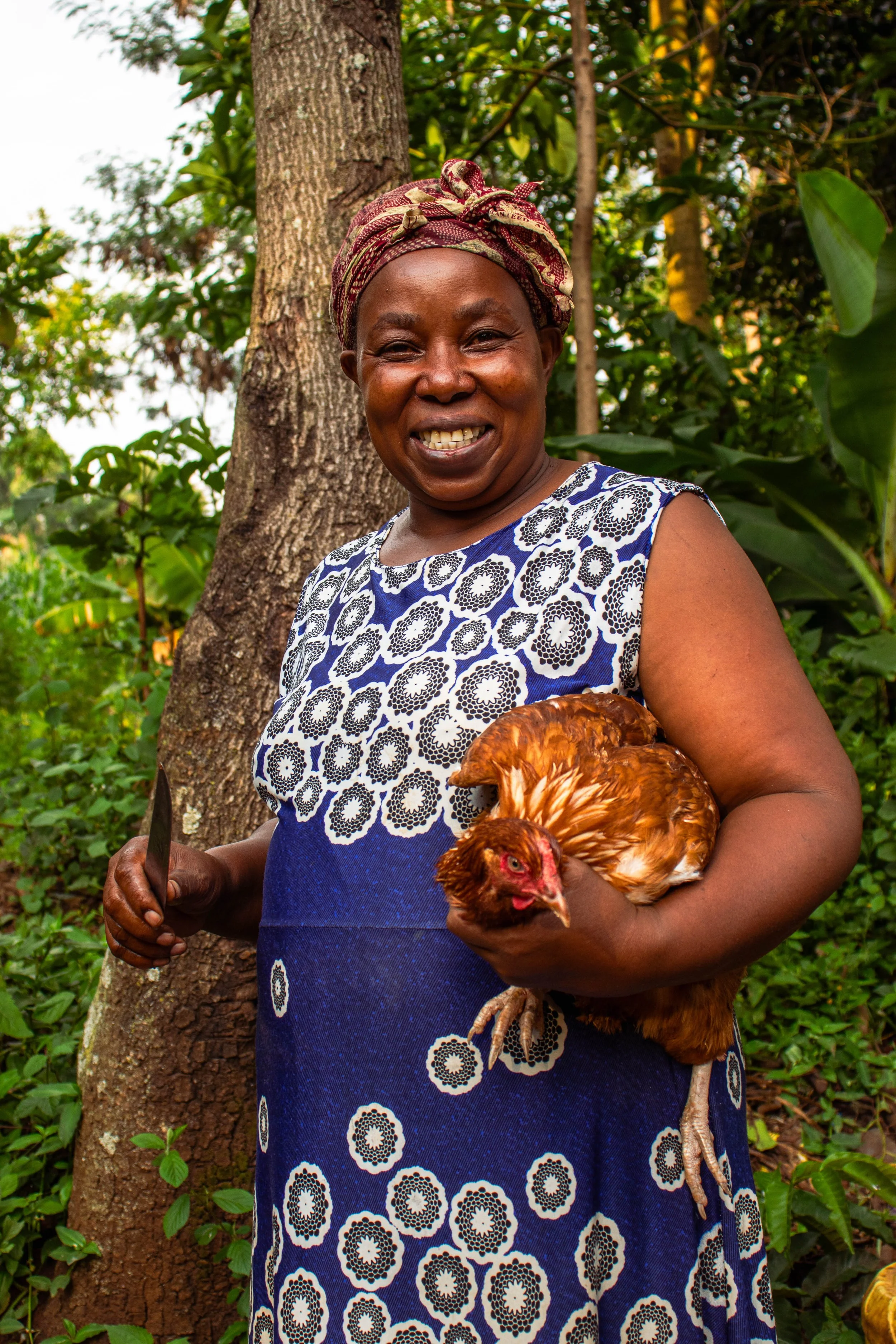
Picha Profile mwivandagloria
We must create new images of ourselves, images born of intimacy, self-determination, and truth. Photography, for me, has become a labor of love, an attempt to heal the collective trauma of my people by reclaiming the gaze and telling our stories.