

STREET PHOTOGRAPHY: THINGS TO KNOW BY AYORINDE OGUNDELE
What is street photography?
Street photography is the aspect of photography that deals with capturing everyday things in the outdoors as they unfold. As the name implies, “street photography” is coined from photographing what happens in streets with a wide variety of outdoor moments, ranging from festivals to protests, unrest, or just a normal quiet day with children playing.
The goal of street photography is to capture photos in public spaces at a pivotal or emotional moment by precise framing and timing. It is photography done for art or investigation that contains unmediated chance encounters and random happenings.
Street photography is usually intertwined with other niches of photography like documentary, landscape etc. Its candid photographs help the viewers understand the overview of either a particular community, event or subject being photographed.
Some things to note when going to shoot street photographs:
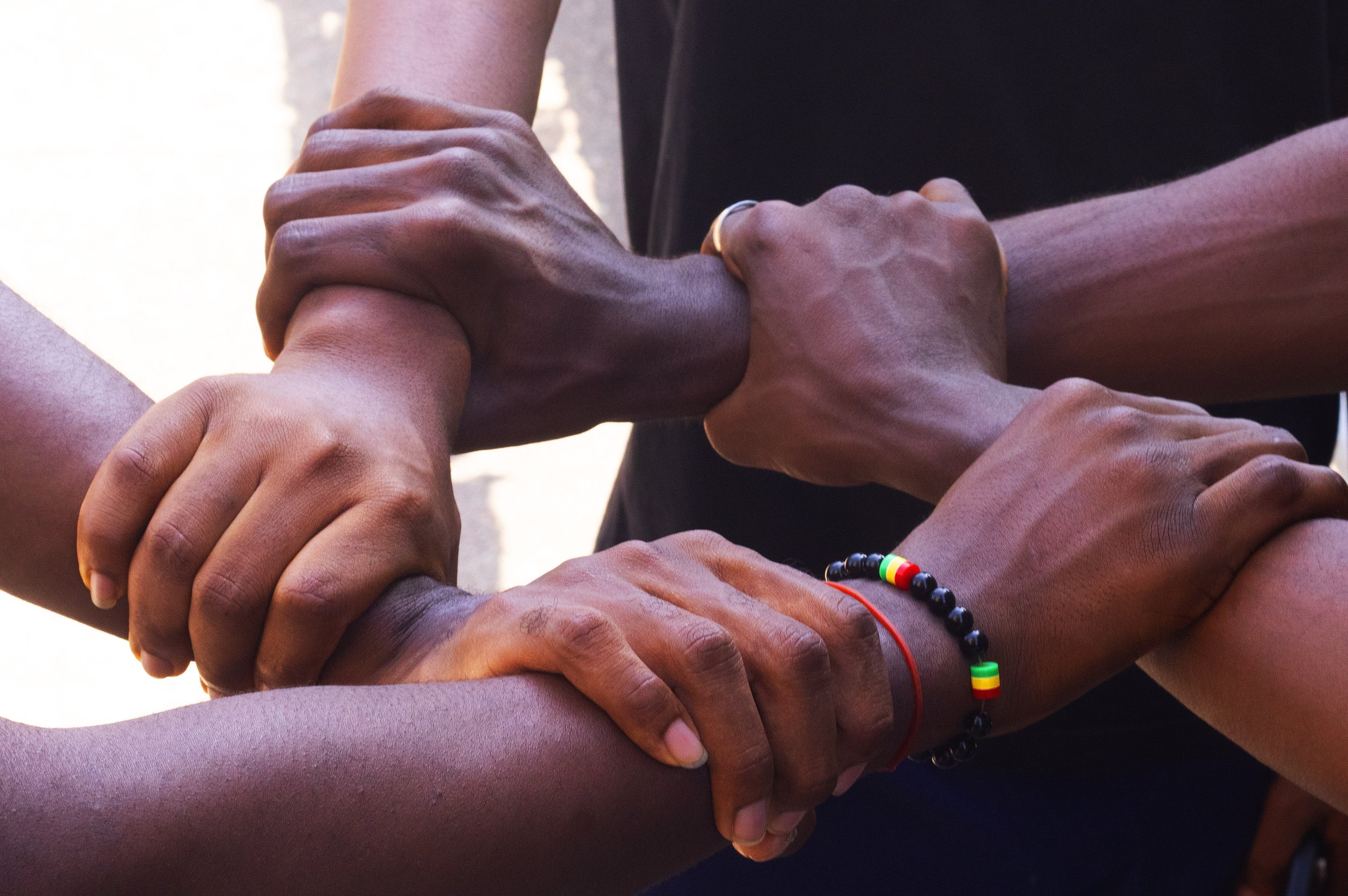
1. Belong to an association
Associations are set up to handle and regulate the affairs of people within similar professions or endeavours. It helps to monitor the activities and sometimes provides some level of immunity to registered members, reducing harassment, extortion and depravity. Many regions may not seem to have a photography association at first but with extensive research, you’ll find and understand how certain photographers handle issues that make them recognized under the law. A proper association will give you an ID card, and other items like a book on guidelines and also expose you to relevant photography-related functions like seminal, workshops or exhibitions.
Download Ayorinde’s images here
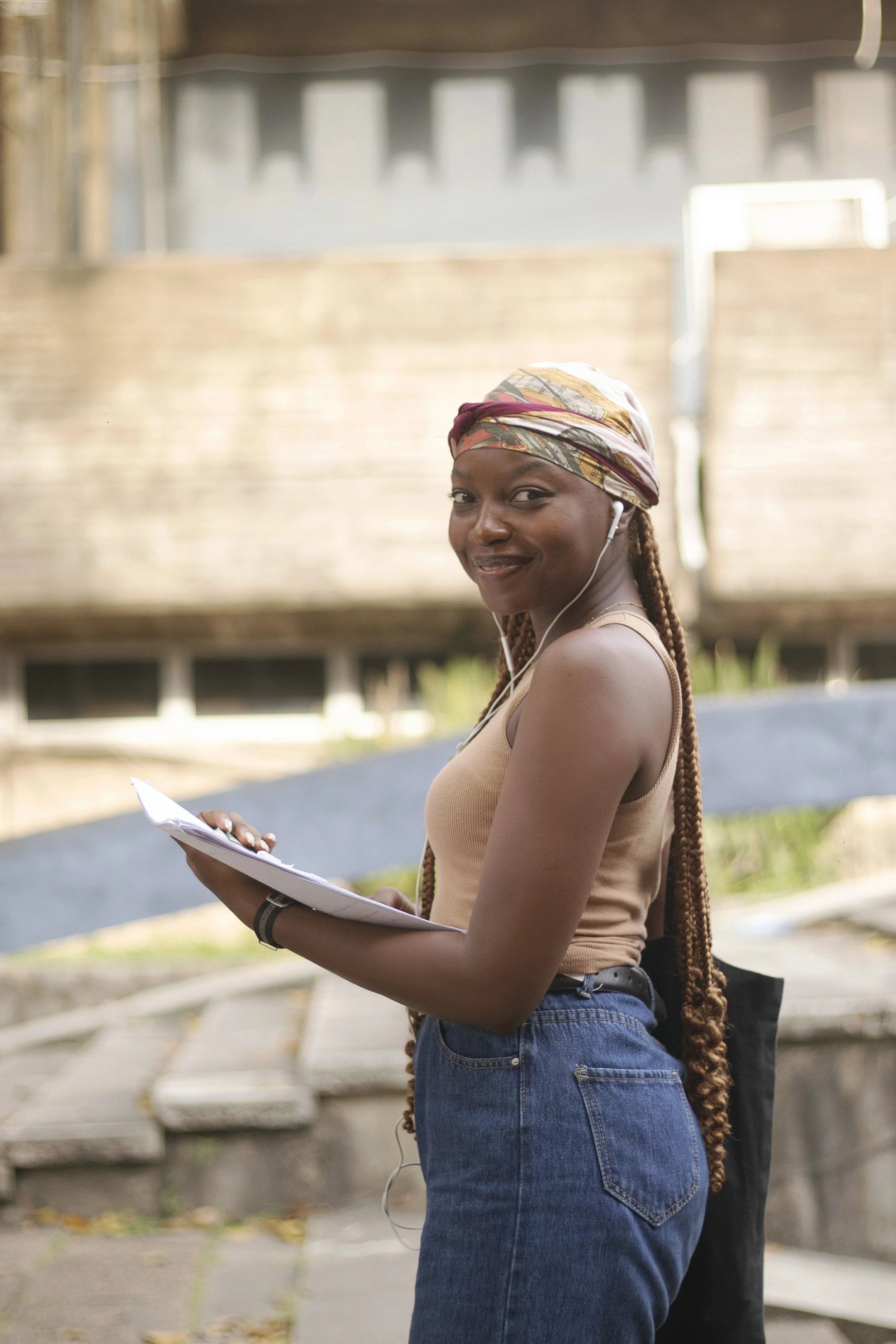
2. Research about the location
It is always advisable to do extensive research on the neighborhood you’re to document. The safety of shooting outdoors depends on whatever region you might find yourself in. In some places, people are not too friendly with cameras pointed towards them and a lot could happen within a short time. If possible visit the location without your gear and communicate your interest with the potential subjects and plan a day for a shoot, discuss everything necessary from ideas, concepts to security etc. It is important to note and identify areas that are forbidden or where permission to shoot has to be granted such as barracks, police stations, government buildings etc. Make sure to check on the drone regulations as these can result in serious law violations if not adhered to.
Download Ayorinde’s images here
3. Learn how to interact with people and articulate your interest
Establishing a relationship with your subject is key to getting candid photographs when taking street photographs. You must make them feel safe and comfortable. its no doubt that some people can be difficult to reason with but by appealing to their tender side it could yield a positive outcome.
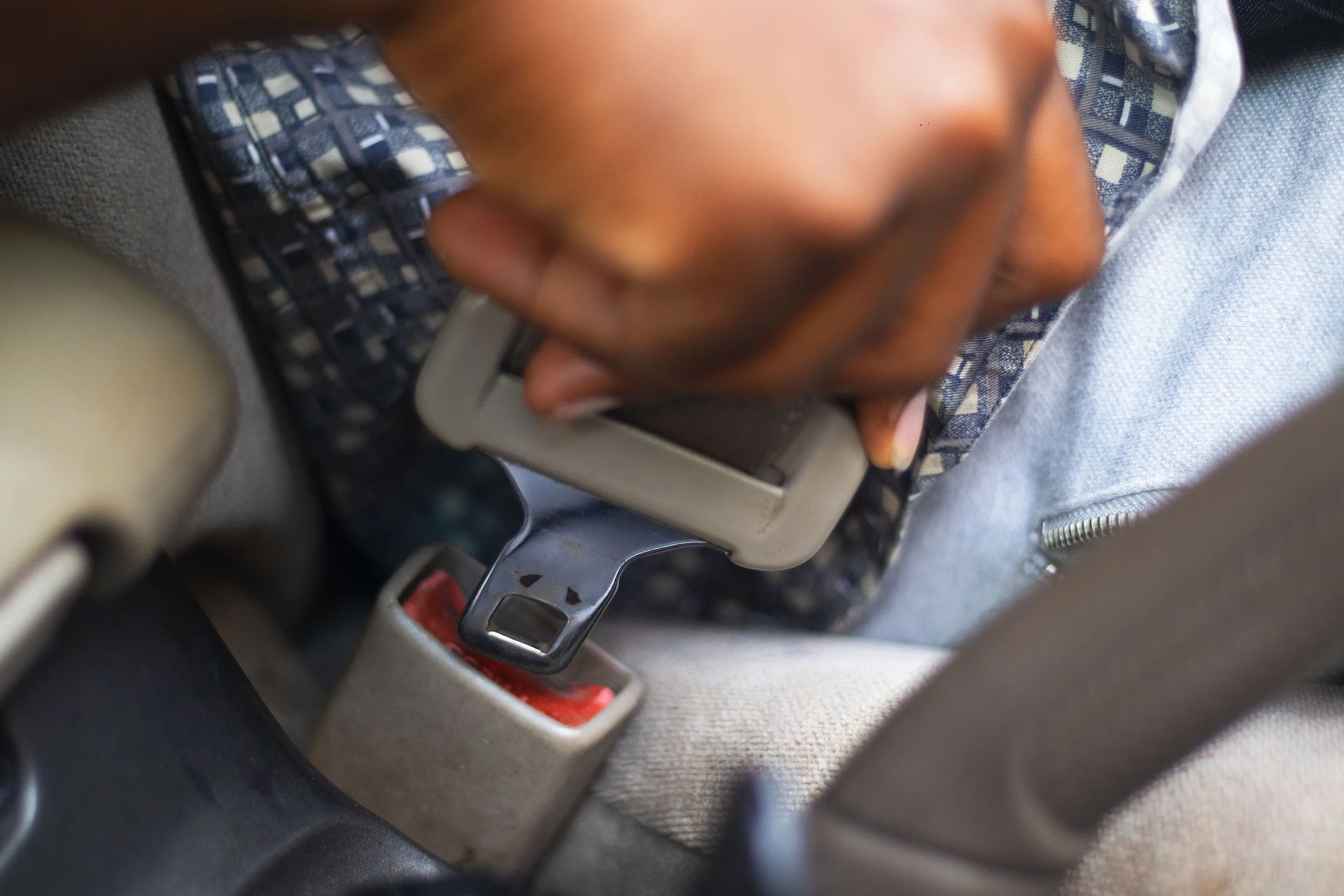
4. Assure people of their image rights
Educating people about the potential use of their image is always the best thing to do. If it’s a planned shoot for an idea or project, model releases should be issued to models or people involved alongside adequate compensation or gratuity. If it is a shoot that happens instantaneously, the caption or story accompanying the images should do justice to the subjects in the photographs such that it doesn’t lead to defamation of the person’s image.
Download Ayorinde’s images here
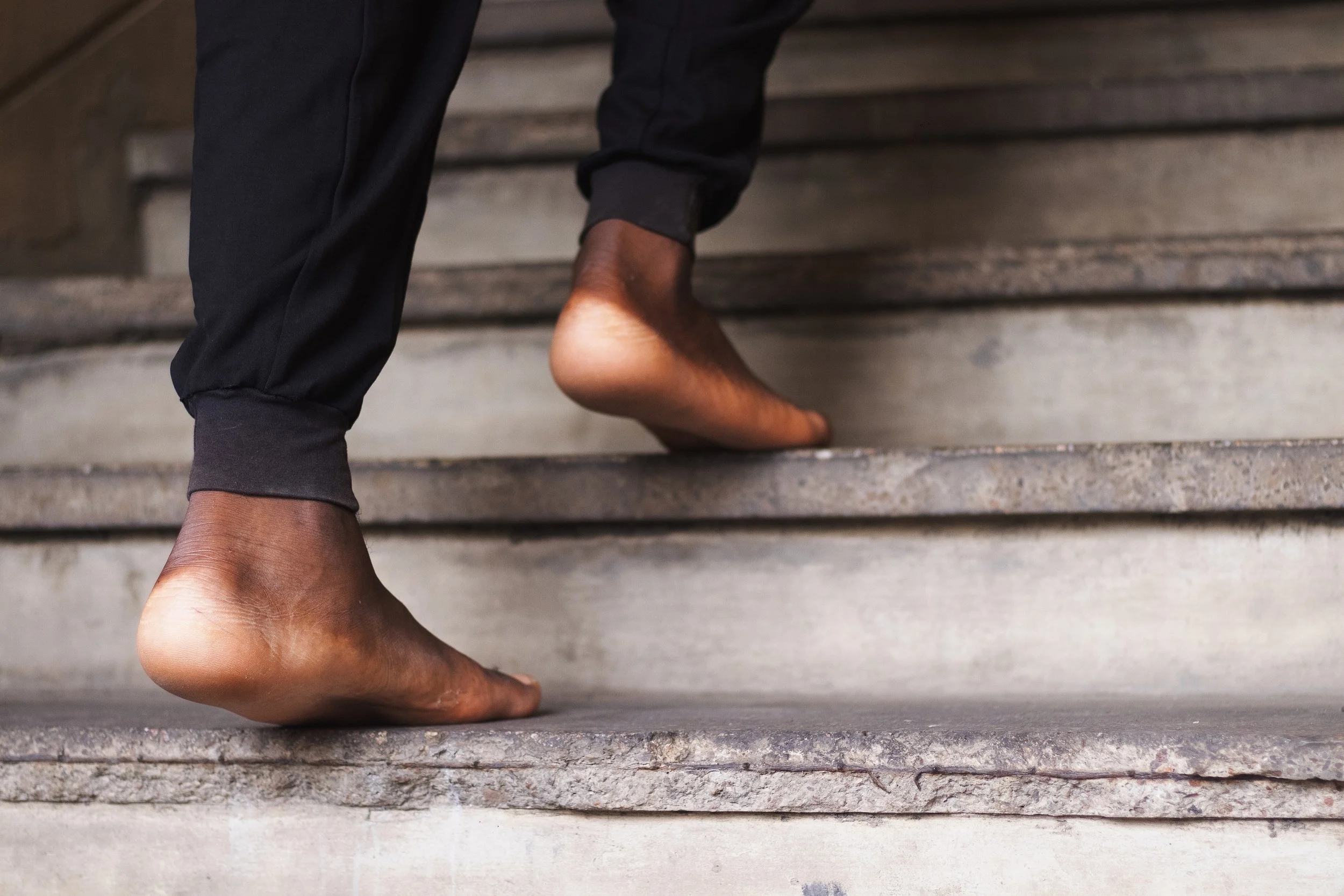
5. Walk away when situations get out of control
When you find yourself in a difficult situation where an issue is getting out of hand, excuse yourself or try and settle in such a way that it doesn’t exacerbate especially when you’re outnumbered or alone. When you’re out, you are most likely out of your comfort zone and can meet people of different backgrounds. There are nice people and not-so-nice people so when you come across the latter, make sure that every conversation leads to your safety, stay calm and negotiate your way out of harm even if it means pulling every trick you know. Your safety should be paramount and if it means not taking any photos or shooting that project that day, then so be it, you can always go back to the drawing board and improvise with new concepts and ideas. No shot is worth your life.
Download Ayorinde’s images here
6. Protect your gear
Safeguard your working gear at all times, especially when in unfamiliar territory or without an assistant. Your equipments are what substantiates your identity in any profession. Having and retaining your gear is what facilitates your chance of executing potential ideas you have in the future. If you happen to find yourself in a scuffle with touts or security agencies the last thing you should ever surrender is your gears, because most of them don’t know the value of the gears, and might even manhandle them and out of ignorance send you back to square one.
Download Ayorinde’s images here
Ayorinde Picha Profile