
Overcoming Imposter Syndrome by Sankara Yambo.
As a child, I read comic books and always admired how superheroes had an alter-ego,
a separate identity and personality that embodied their best self and another for their day-to-day that was almost in contrast to the hero image. Why the need for separation?
It grew apparent to me that they kept their identities hidden to protect themselves, fearing the consequences of exposure. They feared for their own safety, and that of their loved ones but at times they were concerned about being discovered, as not being competent as they appeared.
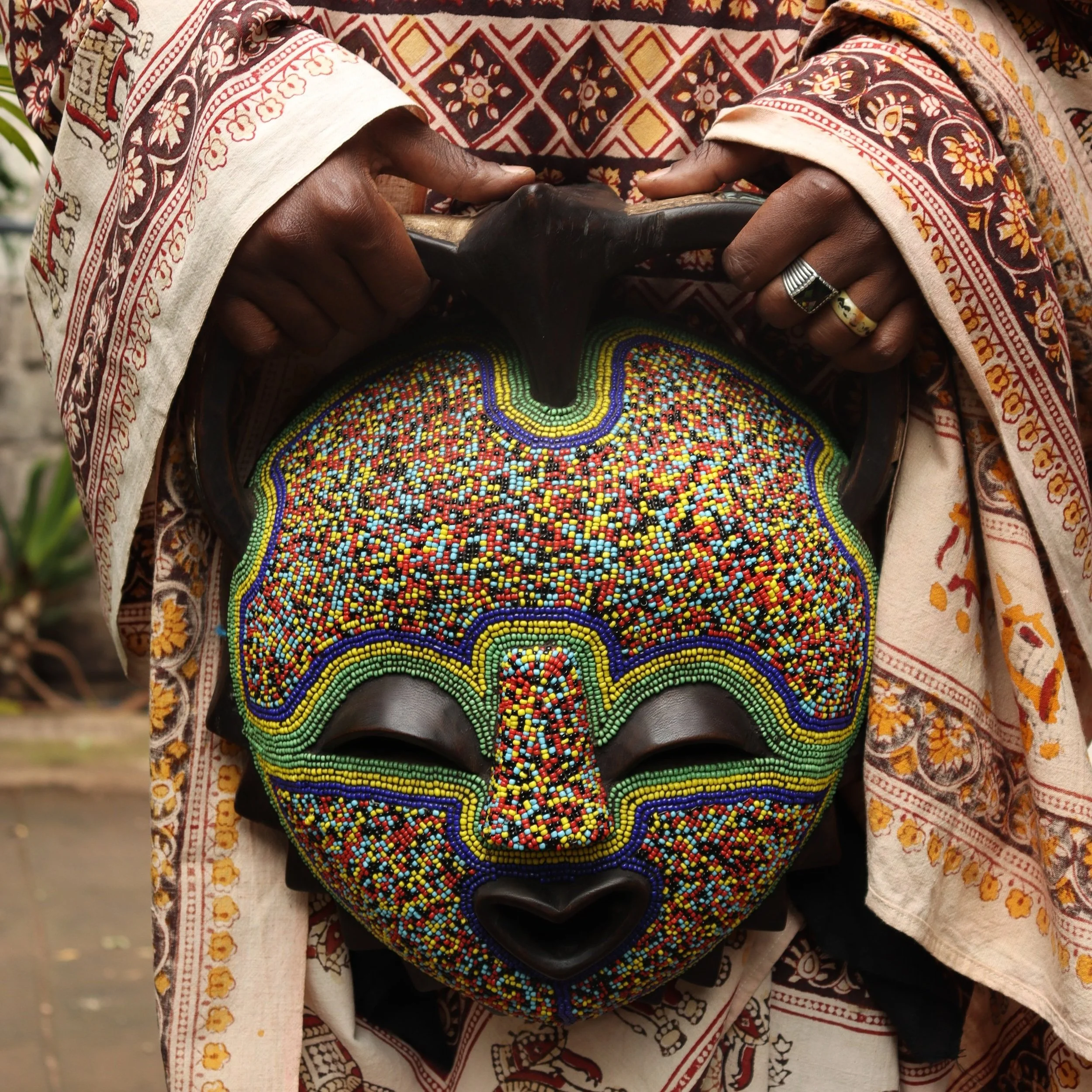
Image by Gloria Mwivanda
Download Sankara’s Images here
While Superman can just fly to the ‘Cave of Solitude’, or have Batman vanish into the shadows, we unfortunately have to deal with things differently. In the day-to-day, this might look like adding extra words to bulk up an exam answer you are clueless about, or simply staying mute throughout a team meeting you had not prepared for, hoping no one notices.
The Imposter Syndrome, according to the Wikipedia dictionary is a psychological occurrence in which people doubt their skills, talents, or accomplishments and have a persistent internalised fear of being exposed as frauds. On the African Continent, the issue of imposter syndrome is exacerbated by the legacy of colonialism, whose challenges have over the years fueled the ingrained need to succeed and prove one's worth under the bleak shadow of seemingly limited options.
As a result, there is a clamouring for cookie-cut commercial projects which unfortunately stifle agency when it comes to expression and thought. Those who have travelled through Africa may have noted the similarity in the art/artefacts encountered at various Curio/Flea Markets.
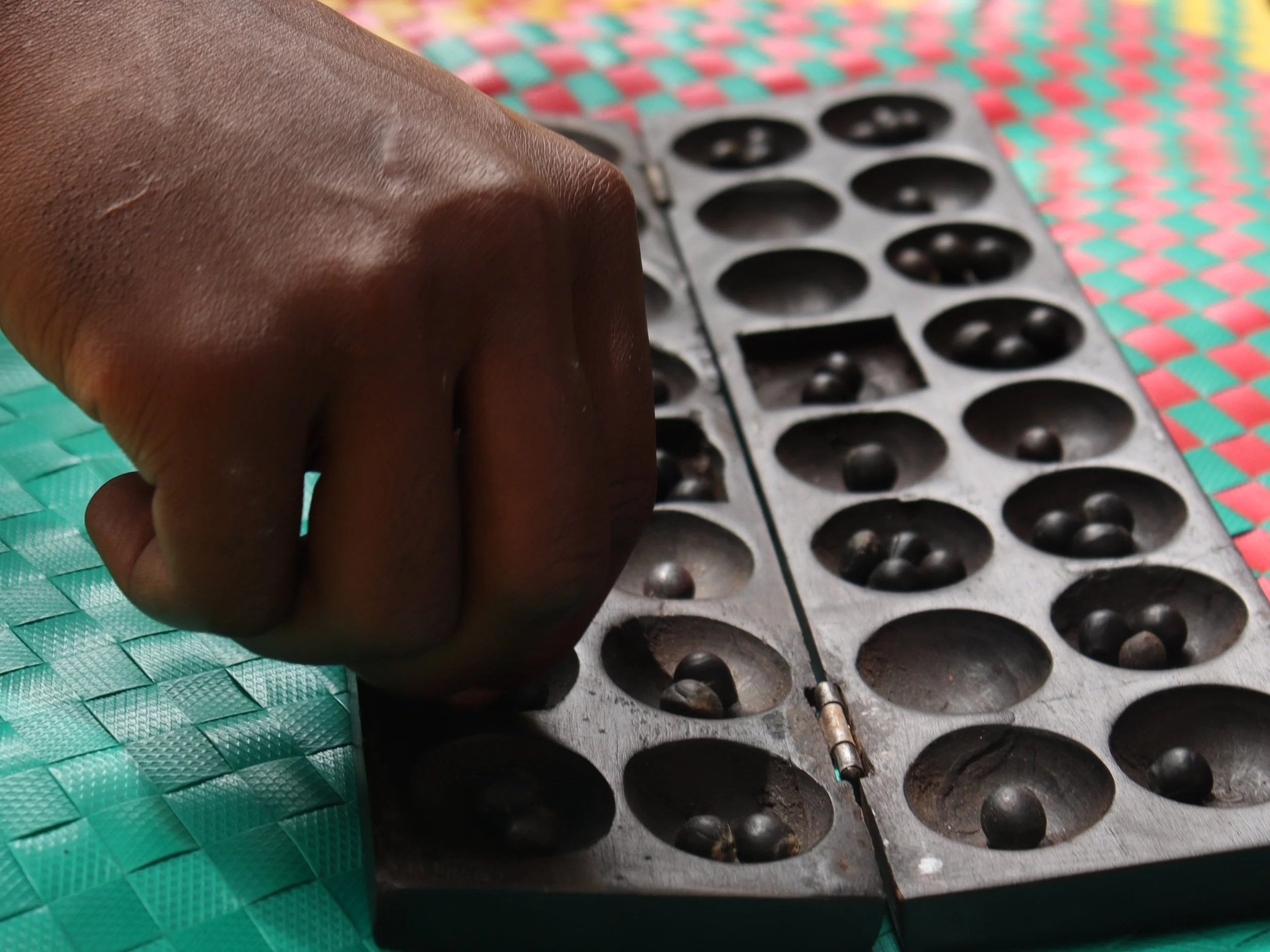
Image by Gloria Mwivanda
In most Superhero story arcs, the character grows more comfortable in their skin and eventually learns to integrate their identities and experience self-acceptance. In this context, that means challenging existing perspectives and biases and waking up to the value of one's unique experiences, knowledge systems, and identities.
It is important to understand that even the best of us experience imposter syndrome.
“I go through (Imposter Syndrome) with every role. I think winning an Oscar may in fact have made it worse. Now that I've achieved this, what am I going to do next? What do I strive for? Then I remember that I didn’t get into acting for the accolades; I got into it for the joy of telling stories.” Lupita Nyongo reported to Time Out in 2016
It is also necessary to manage your expectations. Setting unrealistically high standards and striving for perfection are guaranteed ways of setting yourself up for failure. Embrace vulnerability and realise it is okay to move at your own pace.
Remember Megamind and Metroman (my last superhero reference). They had a cyclic relationship that wasn't leading anywhere and Metroman decided to do something different and change the narrative. In the same vein, we ought to be bold enough to chart our own path.
Download Sankara’s Images here
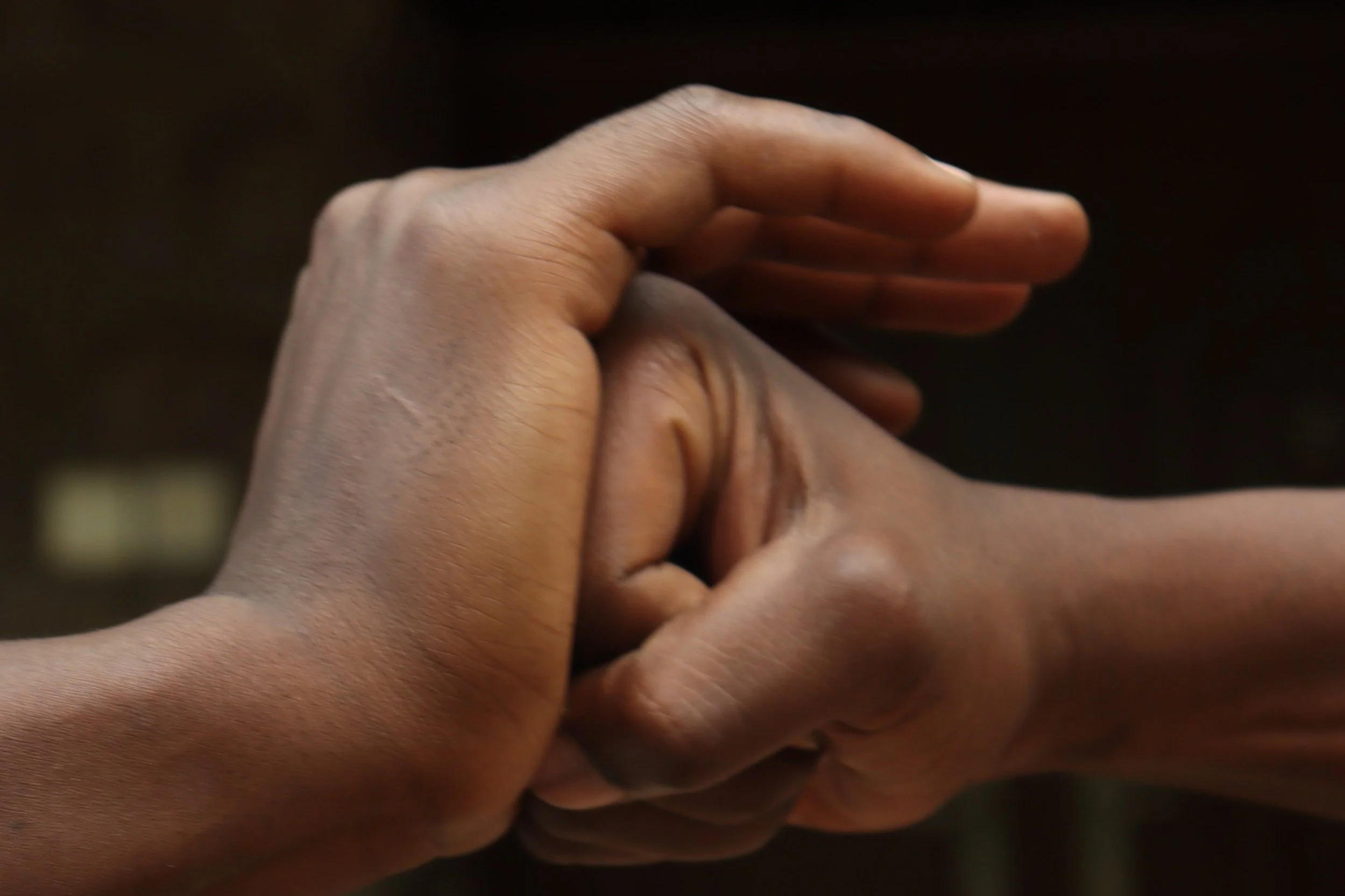
Image by Gloria Mwivanda
It may take some time before we feel fully comfortable expressing our own thoughts, feelings and actions. While mentorship and a good support system offer an added benefit, ultimately, the way is for us to say. If the past is a collective remembering, then the future is a collective imagining. I hope by sharing my thoughts I am in my own way also saving the day.