

Makers of Photography in Black Spaces.
The Makers of Photography in Black Spaces: Legacy, Identity, and the Power of the Image
We recently celebrated the closing of Black History Month with a powerful Instagram Live event titled "The Makers of Photography in Black Spaces." The PICHA Team chose a pioneering Black photographer and discussed their work, their legacy, and the responsibility that comes with inheriting their artistic and social vision.
Here is a look into the insights and discussions from that 60-minute live session:
Susan Otieno (Operations, Programs and Legal)
Felicia Abban (Ghana) (1937–2024)
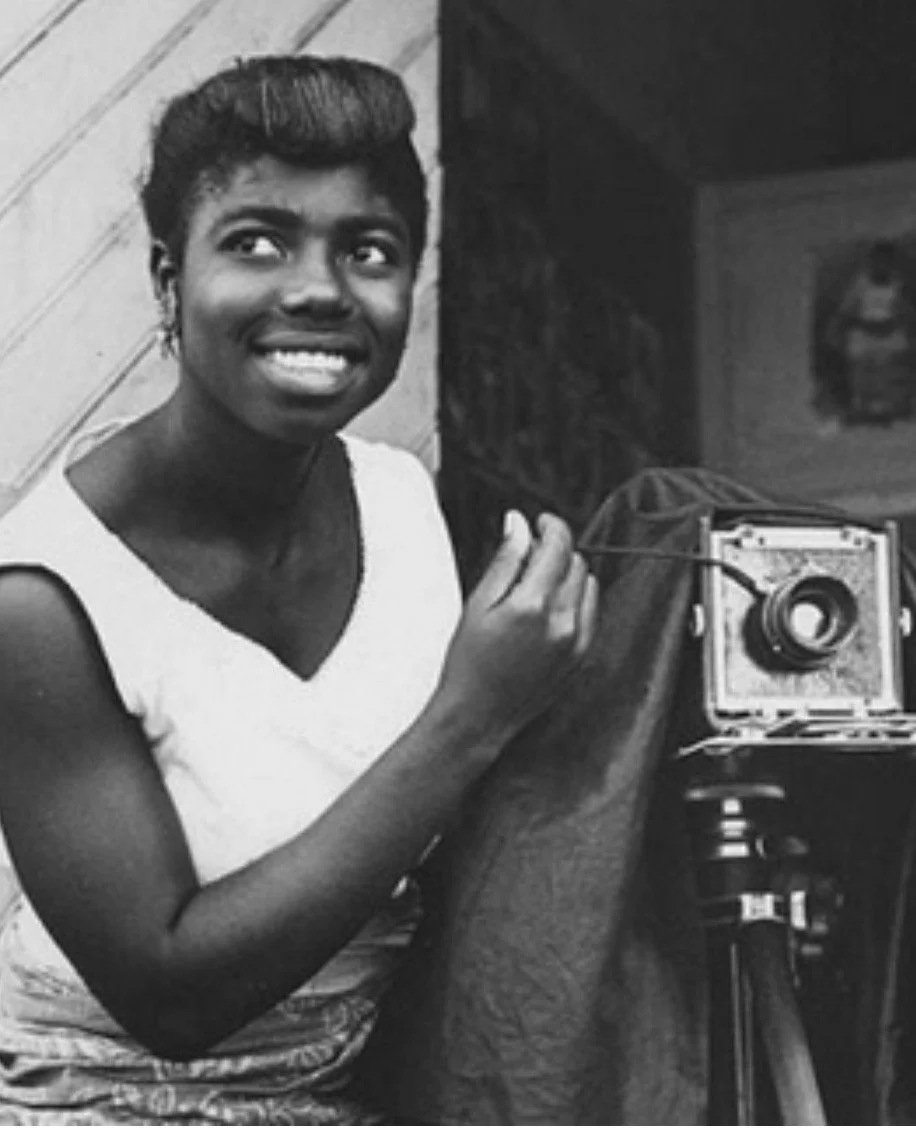
What made you choose this photographer?My initial inspiration was a striking black-and-white portrait of Brenda Fasi, but the photographer's identity was hard to track. A subsequent search for African women photographers from the '40s to the '70s led me to Felicia Abban. As Ghana's first professional female photographer and the personal photographer for the first president, Kwame Nkrumah, her story immediately sparked curiosity and a willingness to learn more about African women in photography. Her use of self-portraits to market her studio in the '60s was particularly compelling.
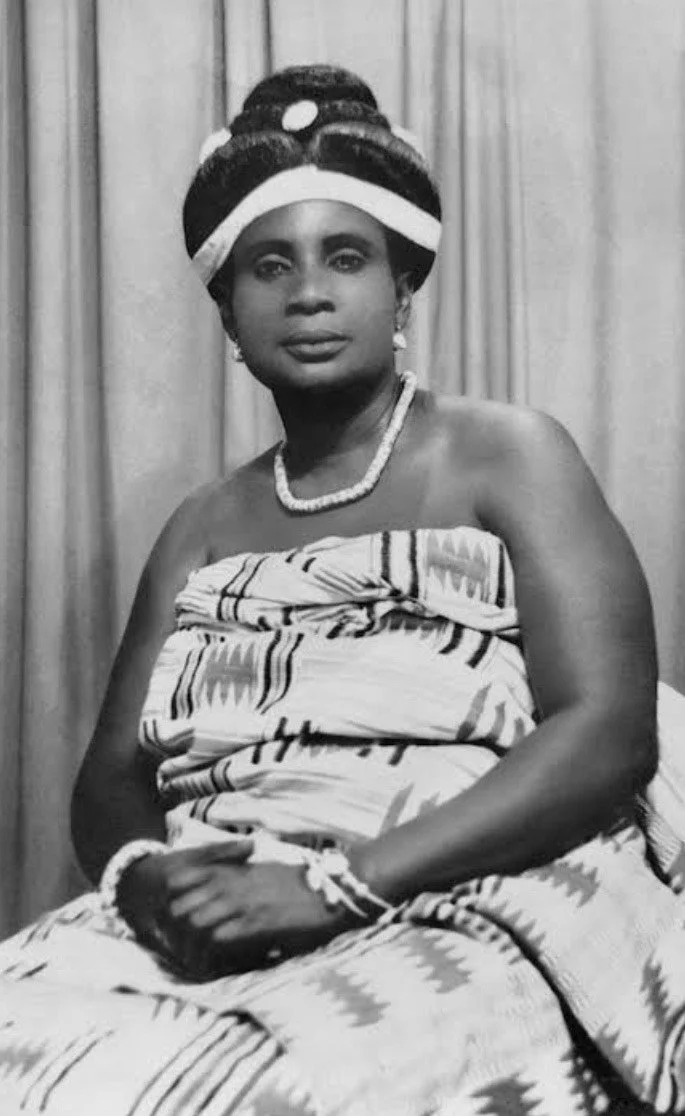
What do you see in their work?I see a reflection of myself: an African woman navigating the intersection of tradition and modernity in an urban setting. Her work is a powerful assertion of agency, challenging the narrative of African women as passive subjects. By documenting women's styles, including her own, she showcased a new era of fashion and provided a distinct, internal depiction of Ghana's transition to Independence.
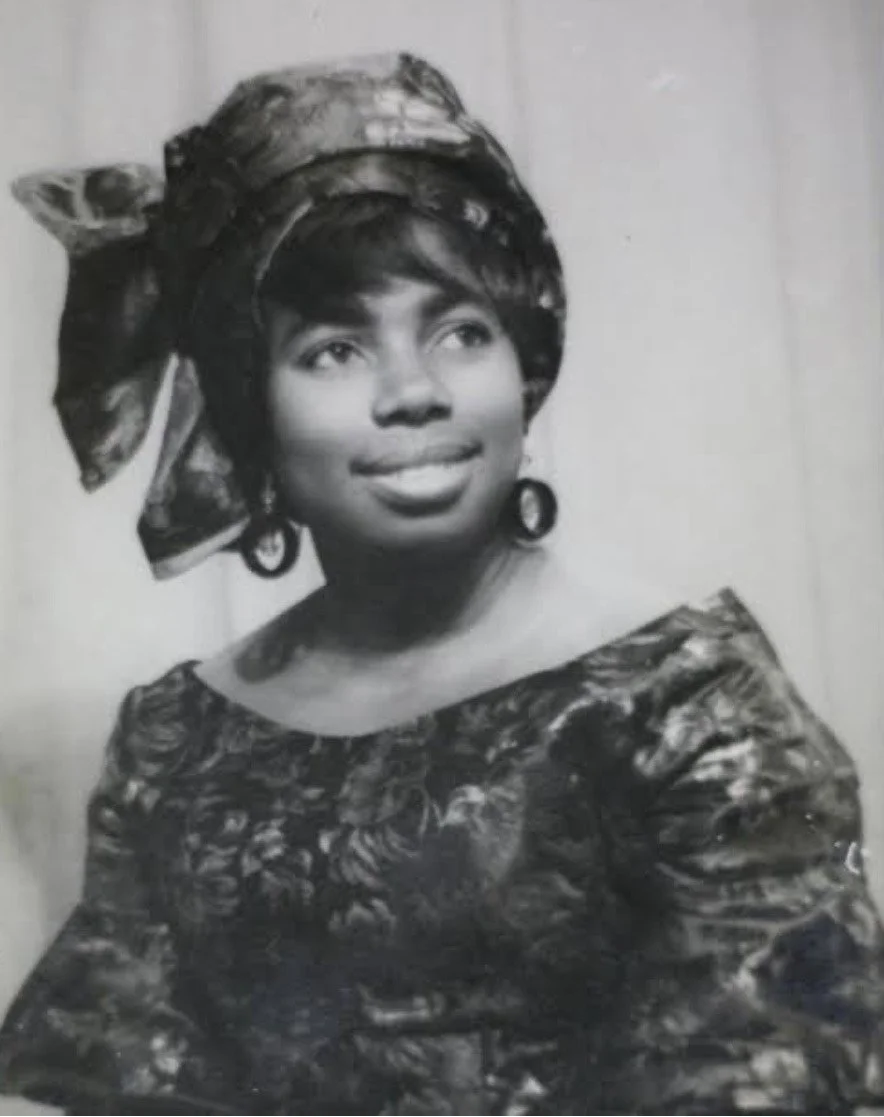
What do we inherit from them today—and what responsibility comes with that?We inherit the mandate to be brave and to be ourselves, embracing our intersections and centering our presence. Our responsibility is to remember to live—to express ourselves, speak our languages, wear our cultural attire (kente cloths, shukas), and share our stories in ways that are natural to us. This means staying rooted in who we are, regardless of where we are.
Sankara Yambo: Contributor relations
Ernest Cole (South Africa) (1940–1990)
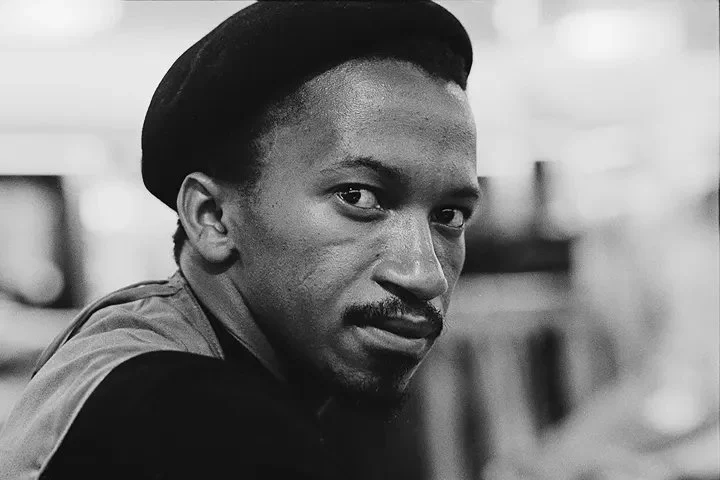
What made you choose this photographer?Cole's work is a direct confrontation with the legacy of segregation and colonialism, strongly resonating with a desire for social justice. I admire his drive and determination to get his story heard by any means, despite being an underdog. His bold authenticity aligns with PICHA’s mission to offer visuals that reflect cultural truth. His story also highlights the ongoing plight of Black and African creators whose work is often under-credited and undercompensated, with institutions claiming his legacy over his family's rightful ownership.
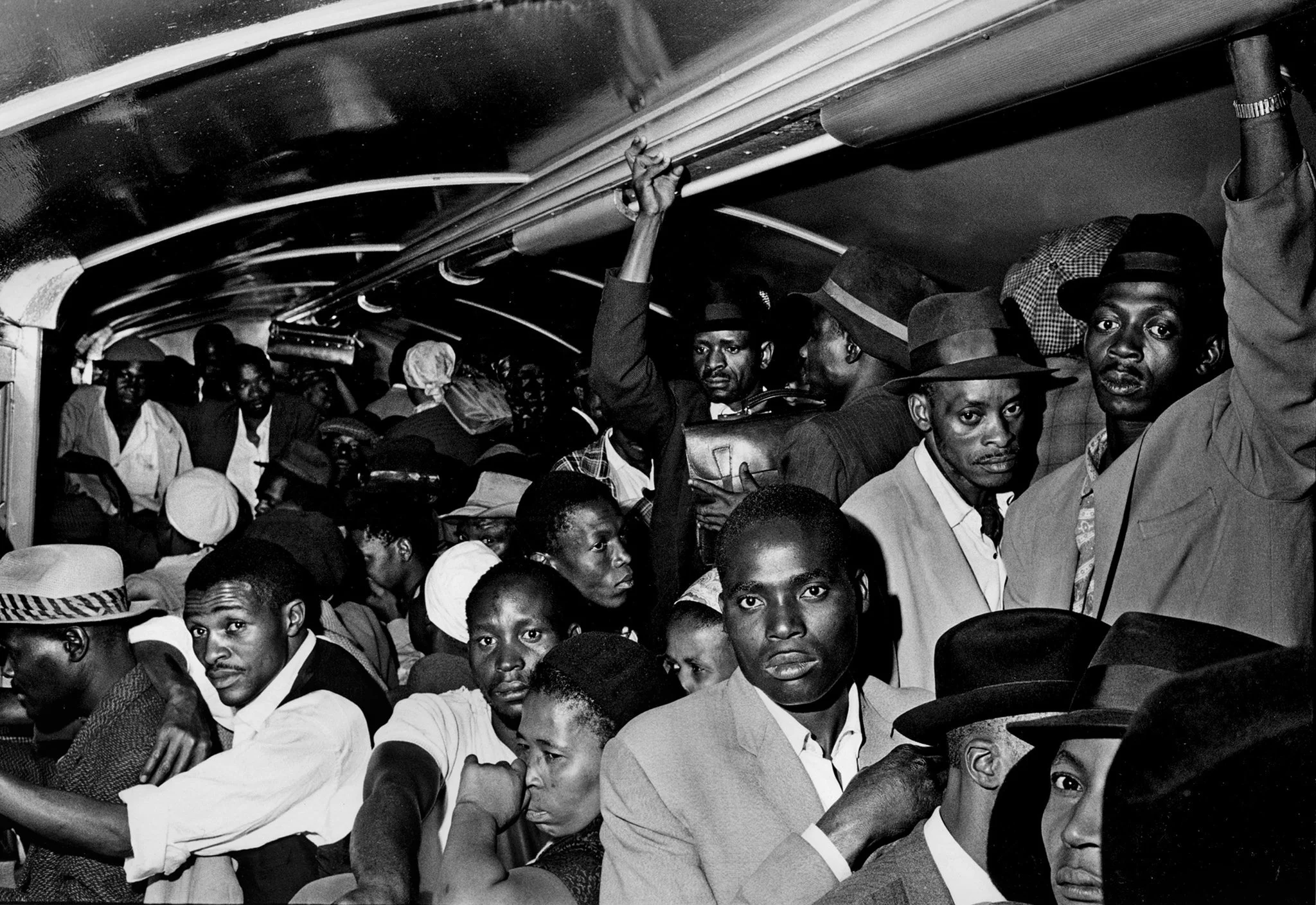
What do you see in their work?I see Defiance, Courage, and Resilience. His documentation served as a tool for resistance; he refused to be broken by Apartheid. His work highlights how systems are put in place to suppress truth—a reality we contend with even today (e.g., censorship during the Israel-Palestine conflict). His perspective feels internal rather than anthropological, capturing the dignity in his subjects who history had tried to discount.
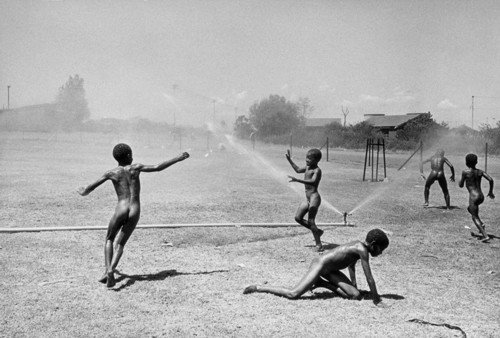
What do we inherit from them today—and what responsibility comes with that?We inherit the sense of Agency: the authority of our own lived experience. Cole proved that images can expose systems, not just moments; that the camera can confront power; and that documentation can outlive censorship. The responsibility is to learn to tell our stories with conviction, rooted in courage and authenticity.
Josiane Faubert: Director
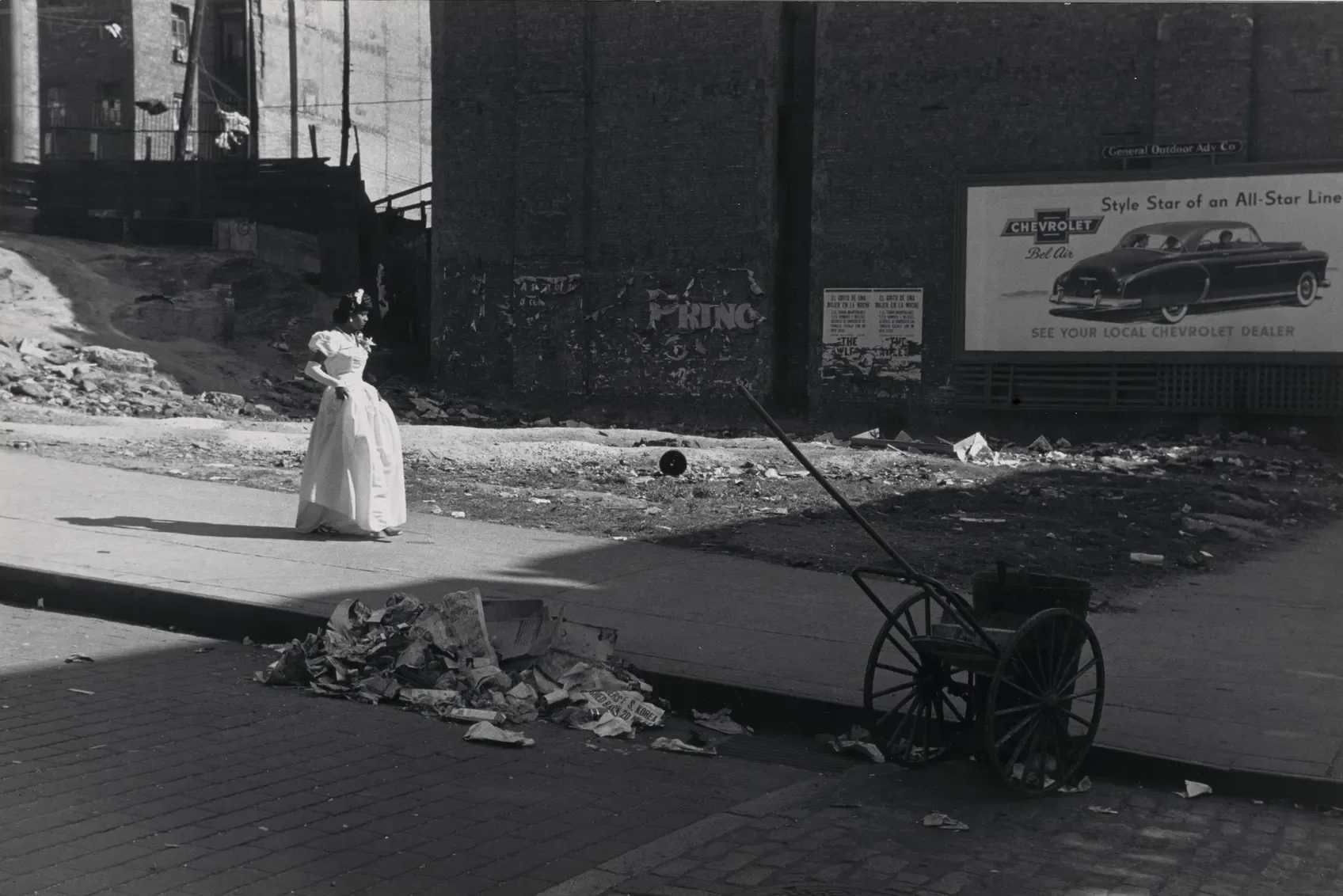
Roy DeCarava (USA) (1919–2009)
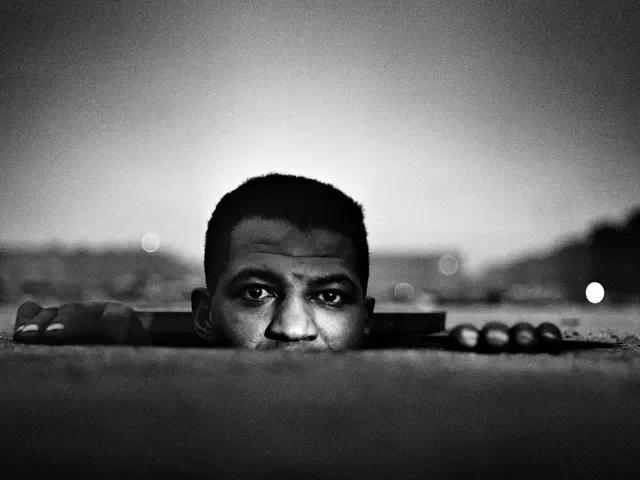
What made you choose this photographer?I chose DeCarava to learn more about Black photographers. My initial choice was Gordon Parks, but DeCarava's work, especially the intentionality that comes with using film, stood out.
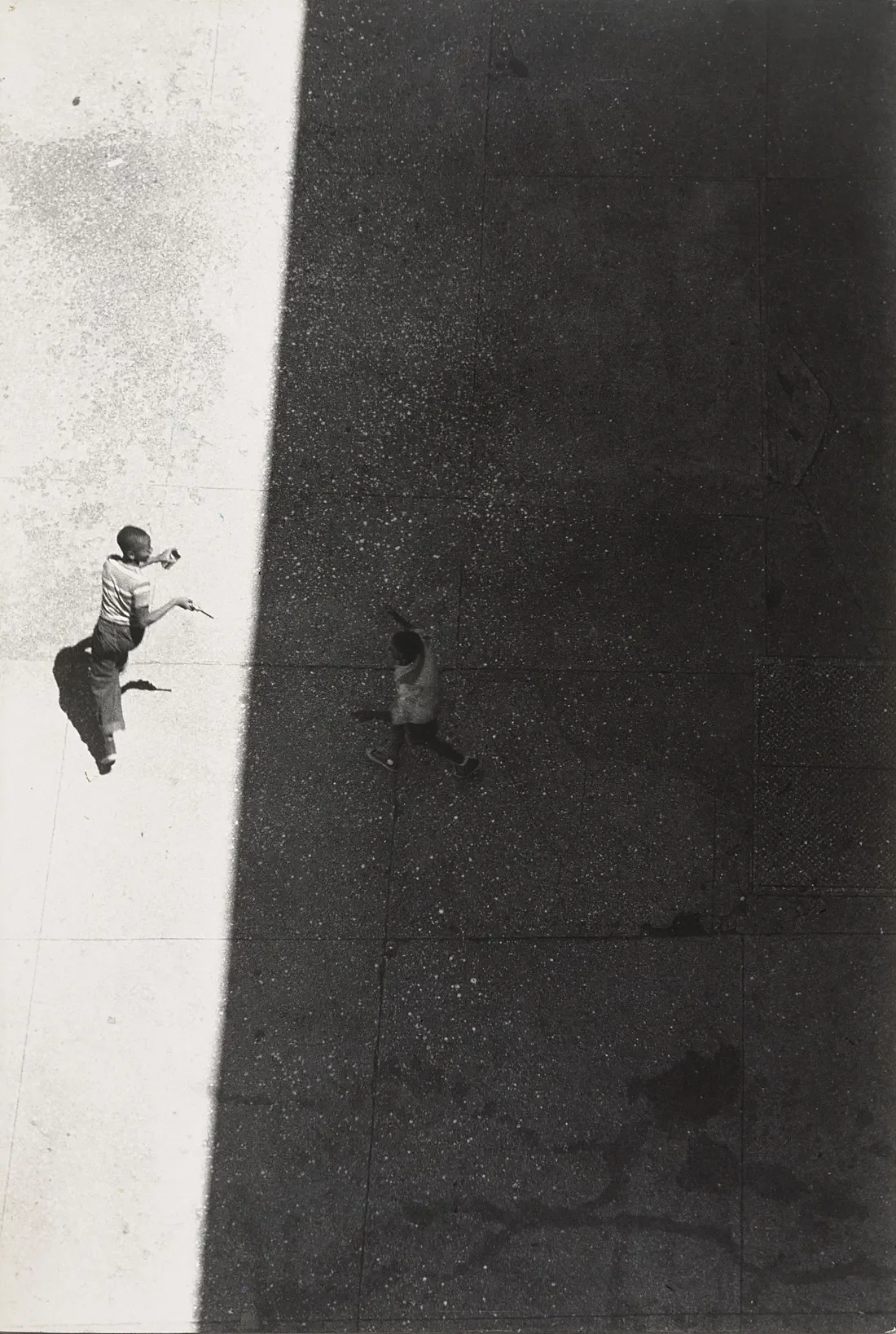
What do you see in their work?
His photos are beautiful, poetic, and incredibly well-crafted black and white photography. They make you reflect deeply on the "why"—why are you a photographer?Why are you doing it? His work is defined by its strong composition and depth.
What do we inherit from them today—and what responsibility comes with that?
We inherit the focus on the Dignity of the people he photographed. His images are clean, intentional, and demonstrate great composition. For contemporary photographers, his work provides a crucial reminder to go back to the roots of photography and prioritize intention.
Keshida Layone: Business Development
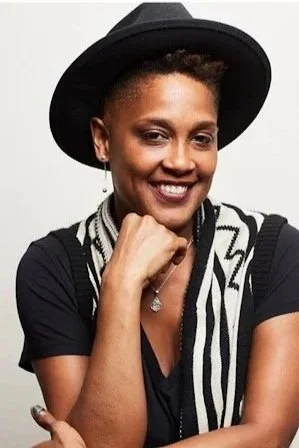
Adrienne Waheed (USA)
What made you choose this photographer?
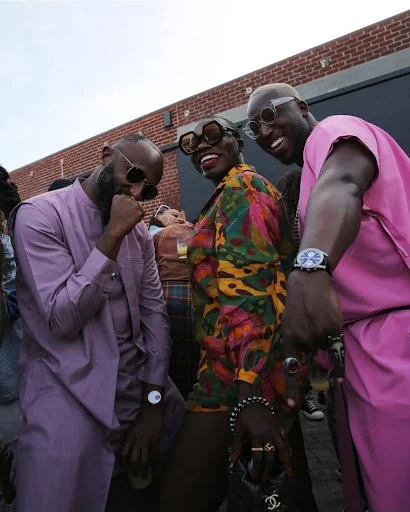
Adrienne Waheed is the culture. She represents the footprint of the Black experience, exuding the pain, the triumph, and the birth of multiple generations across her two-decade-plus career. She embodies authentic personality and the mandate to 'be you.' She is also the author of the Black Joy and Resistance coffee table book.
What do you see in their work?
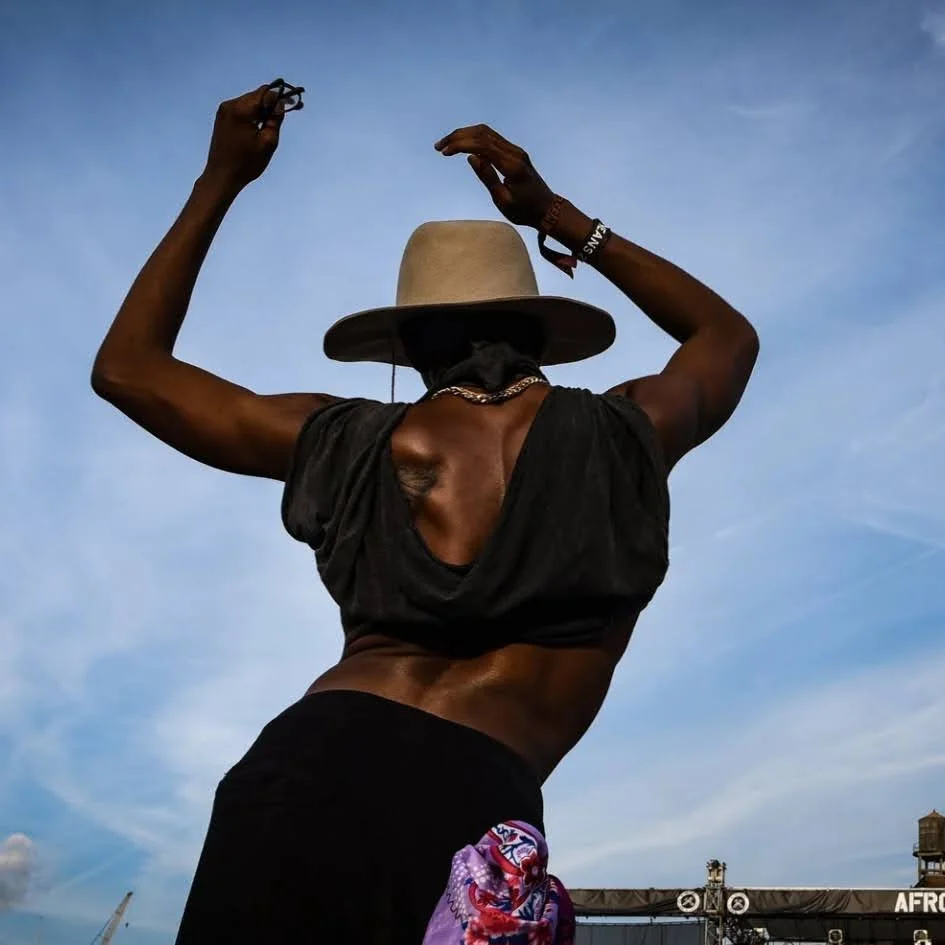
She is more than an archivist; she spends time patiently waiting for the perfect shot. Her work reflects moments of uninhibited happiness and freedom.
"What do we inherit from them today—and what responsibility comes with that?
We inherit the call to be fearless without the fear of consequence and the importance of standing strong on one's belief.