

Immortalised in Print: Celebrating Afrocentric Visual Narratives
By Sankara Yambo
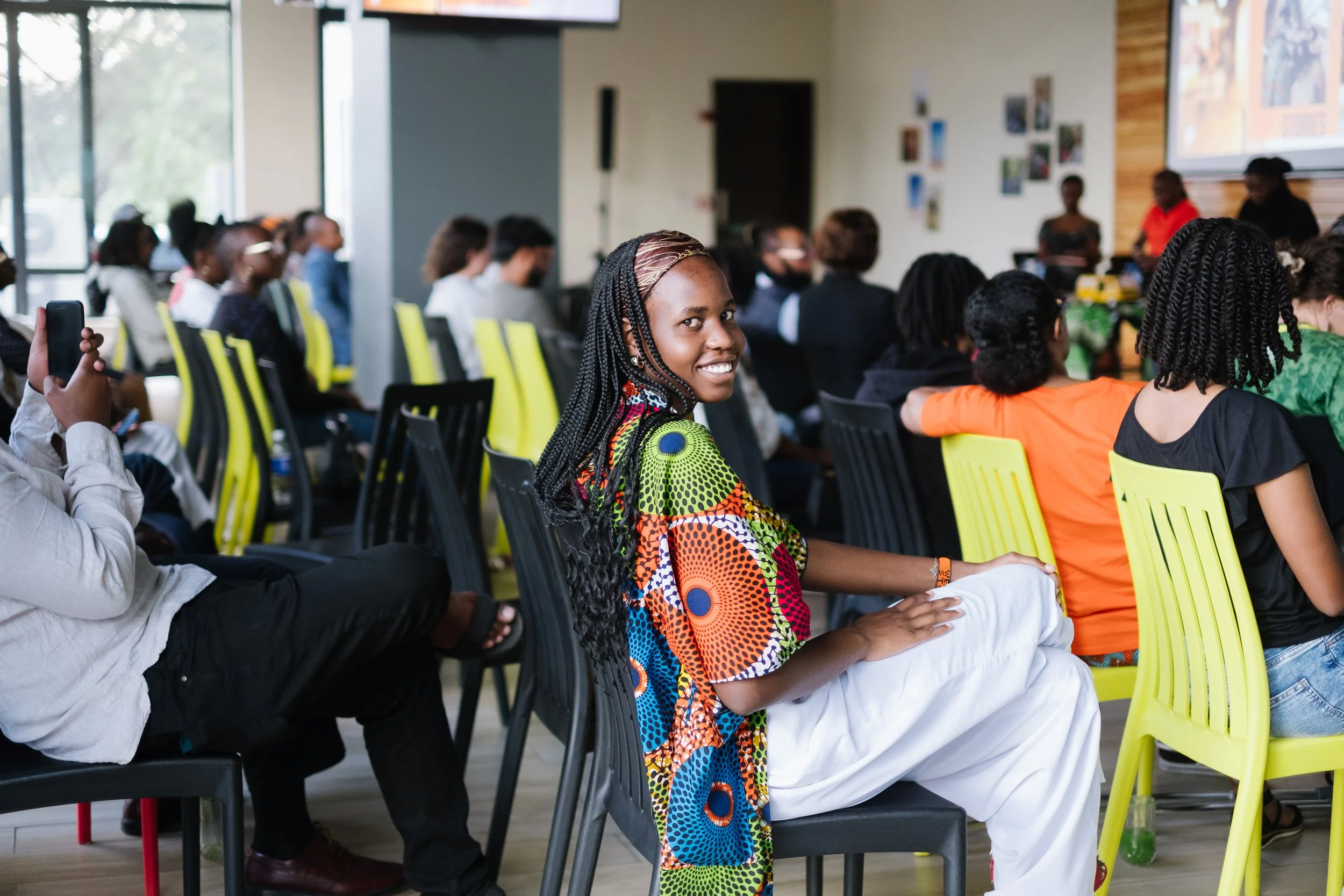
Following weeks of anticipation, the morning of the Weaving Stories book launch - Kenya Edition was here. Armed with a checklist that morphed occasionally, the pre-event shenanigans whizzed by in a blur, and soon, attendees were filtering into the venue, I-Hub Africa. As part of the production team, events always felt somewhat tense, but familiar faces and the growing chatter in the room dulled the jitters.
See Mohameds Picha profile Here
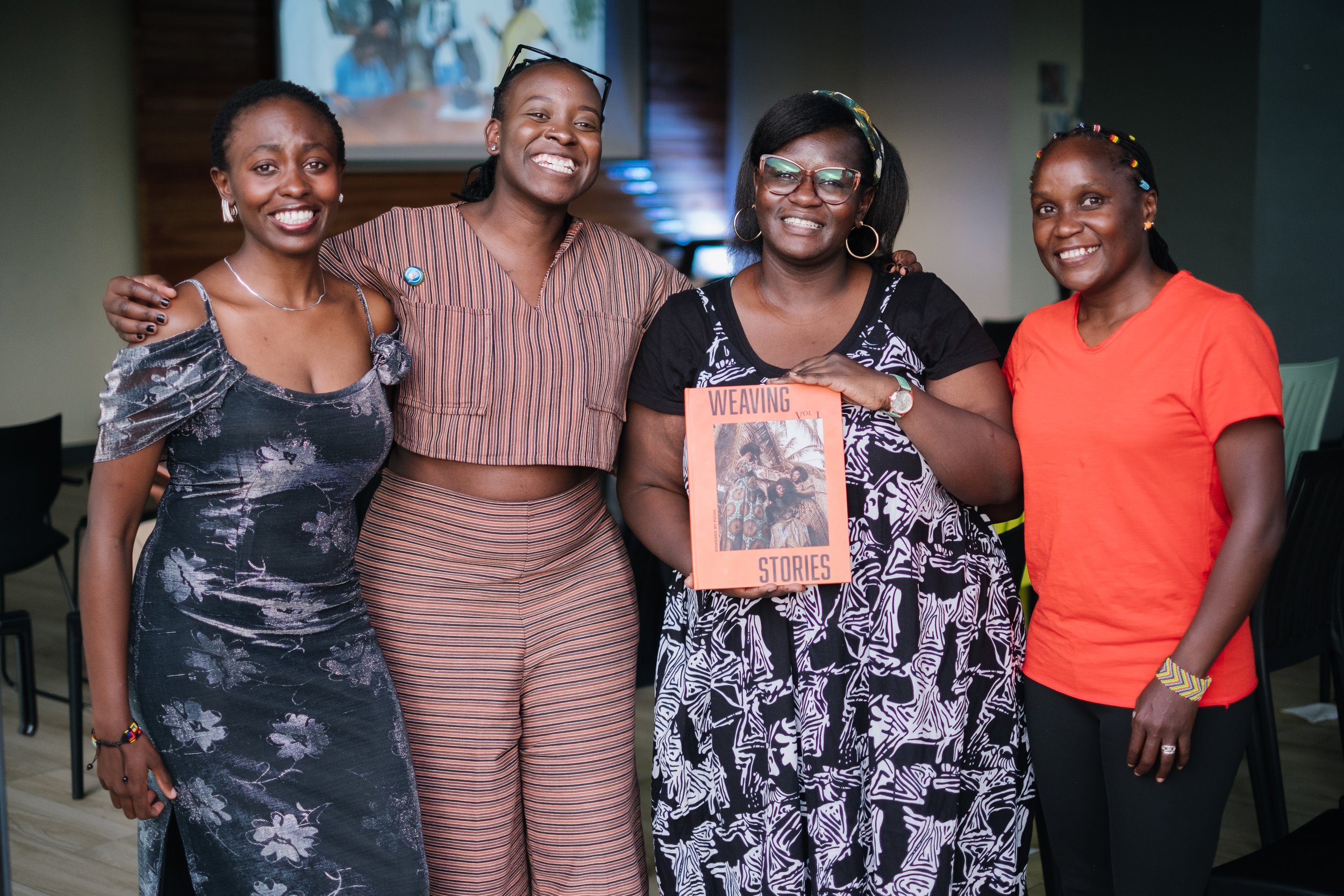
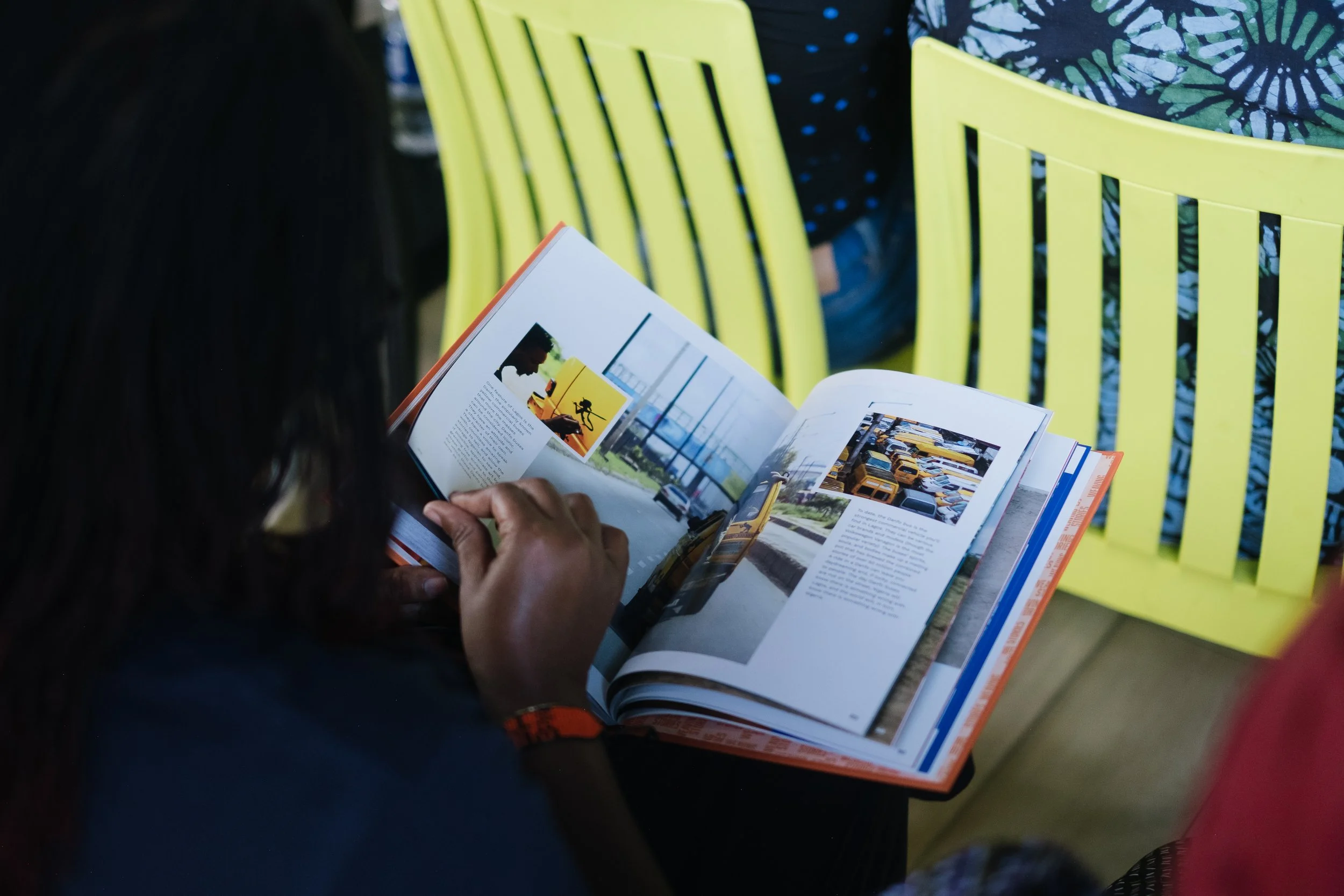
The weavers, who had received physical copies of the book just days before, were riding the high from seeing their work immortalised. With close friends and family present, it was pleasant to chat and learn more about them on an intimate level. Martha introduced me to Mary, one of the subjects in her images and shared the delightful backstory that had led to this moment. Gloria wore a stunning dress and was so glammed up that a mutual friend reported almost walking past her. Barbara and Raddie were surrounded by proud family members, some of whom were also subjects in the book. The Panel was short and sweet, delving into the processes leading up to the Weaving Stories project and the impact it had on the weavers. Off the bat, it was evident that each photographer had a deep connection with their concept and subjects.
See Mohameds Picha profile Here
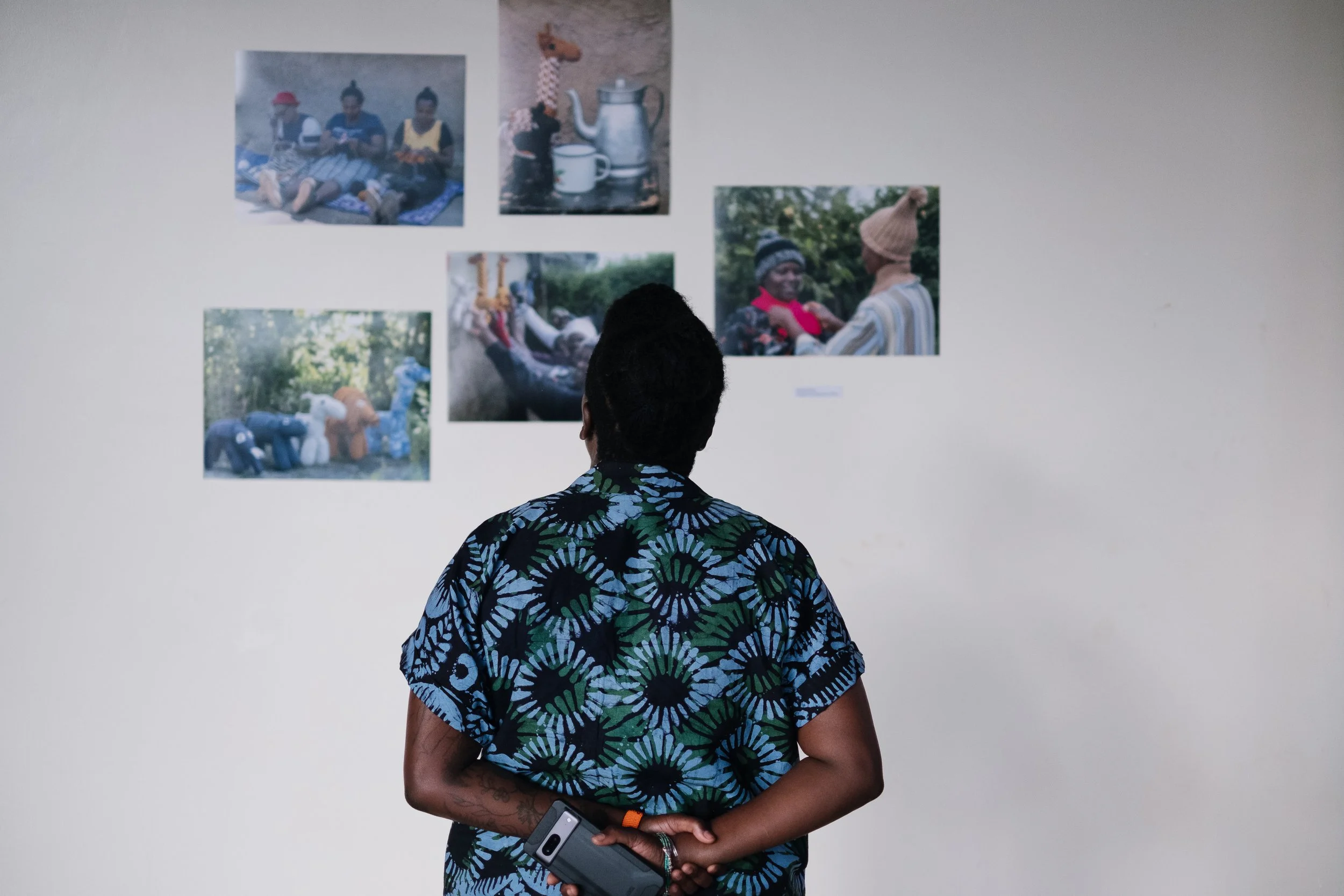
For Raddie, ‘Joyful Moments’ was the perfect playground to showcase community and joy as seen through her perspective. Barbara’s day-to-day experiences balancing motherhood and modern life were highlighted through the theme ‘Mothers of Colour’. Martha’s ‘Crochet Matriarch’s’ spoke to the relationship with our environment and how our interactions with each other and our spaces impacted our creative output. Gloria’s work ‘As within so Without’ captured the intensity of translating one's inner world into a composition that an audience, could appreciate.
See Mohameds Picha profile Here
The conversations called for reflection and drew attention to how conceptual work played a critical role in learning and self-actualisation for creatives. Through this process, the weavers had grown to realise more of themselves and appreciated PICHA Stock for being one of the forerunners championing these opportunities within African communities.
See Mohameds Picha profile Here
Ultimately, the weavers challenged the audience to keep engaging with African art—as a vital way to counter the ongoing issues of representation and bias, especially in this evolving age of AI-driven content creation.
Images by Mohamed Abdulrahman
See his Picha profile Here