

Breaking Through Imposter Syndrome by Ramadhan Karali.
Have you ever felt like you didn’t deserve your success as a creative artist?
Have you chalked up your achievements to luck rather than giving yourself credit for all the hard work you've put in? Maybe you’ve even felt like a fraud. Despite working tirelessly to become the successful artist you are today, these feelings can still creep in. I know I’ve felt this way many times.
Imposter syndrome is when people can’t internalize their accomplishments. Even with clear evidence of their competence, they still feel like frauds and think they don’t deserve their success. They often dismiss their achievements as luck, good timing, or tricking others into believing they’re more capable than they feel. As creative artists, we put in countless hours to perfect our craft, learn new tools, and develop unique perspectives. When people appreciate our work and hire us again, it should validate our efforts. Sadly, many of us don’t give ourselves enough credit and instead, attribute our success to luck. Some of us even struggle to accept compliments.
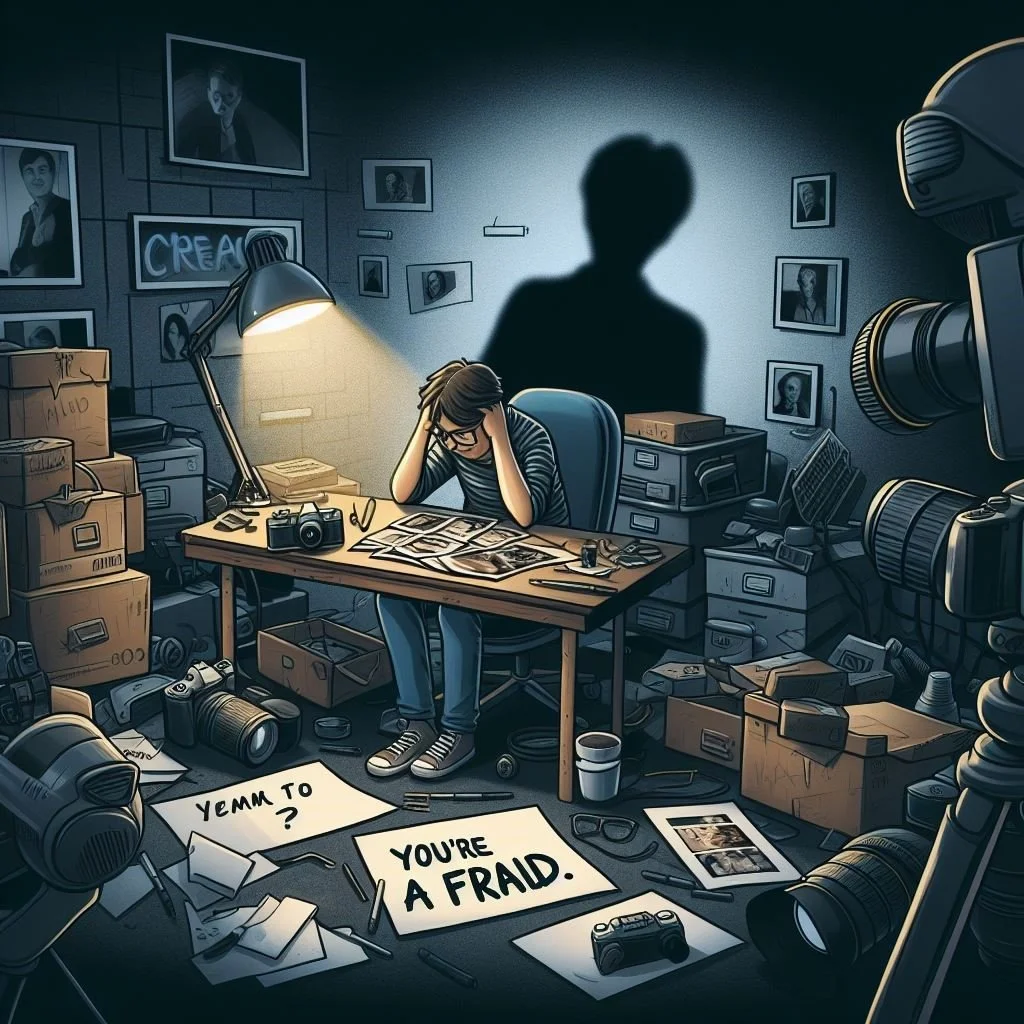
Image generated by AI
Download Ramadhans images here
When I started my journey as a photographer, I constantly battled with this. The pressure from social media to show a perfect life made me obsess over creating the perfect photo and perfecting my editing. This fear of not being good enough often stopped me from going out and taking photos to improve. I didn’t want to face criticism or let down my biggest fans. Ironically, the more successful I became, the more I felt like a fraud.
What Changed?
The first step to overcoming imposter syndrome is recognizing it. Once you can identify these feelings, you can start to break the automatic thought process that makes you feel like a fraud. I began to see all the effort I had put in over the years and realized that my feelings of inadequacy didn’t match reality.
Mayor Otu, a seasoned documentary photographer and my mentor from Nigeria, gave me some valuable advice: constantly post and share your work. By doing this, you find your audience and community, who will appreciate and hire you for your work.
Acknowledging imposter syndrome was just the beginning. I started sharing my feelings with my photography peers, and it quickly became clear that these thoughts are incredibly common. Realizing that I wasn’t alone in my doubts helped me see things differently. It’s not just me—many artists feel this way.
Another thing that helped was celebrating my wins, no matter how small they seemed. Whether it was gaining followers, landing a new client, receiving a compliment, or earning the respect of my peers, I started permitting myself to be proud of these achievements.
Imposter syndrome often comes from comparing ourselves to others. To combat this, I focused on my work, style, and craft. These are things I can control, and understanding this helped me see how my efforts directly contribute to my success.
To some extent, imposter syndrome is a natural response to success for many people. When you’re not entitled, achieving success can feel like it’s unearned, despite all your hard work.
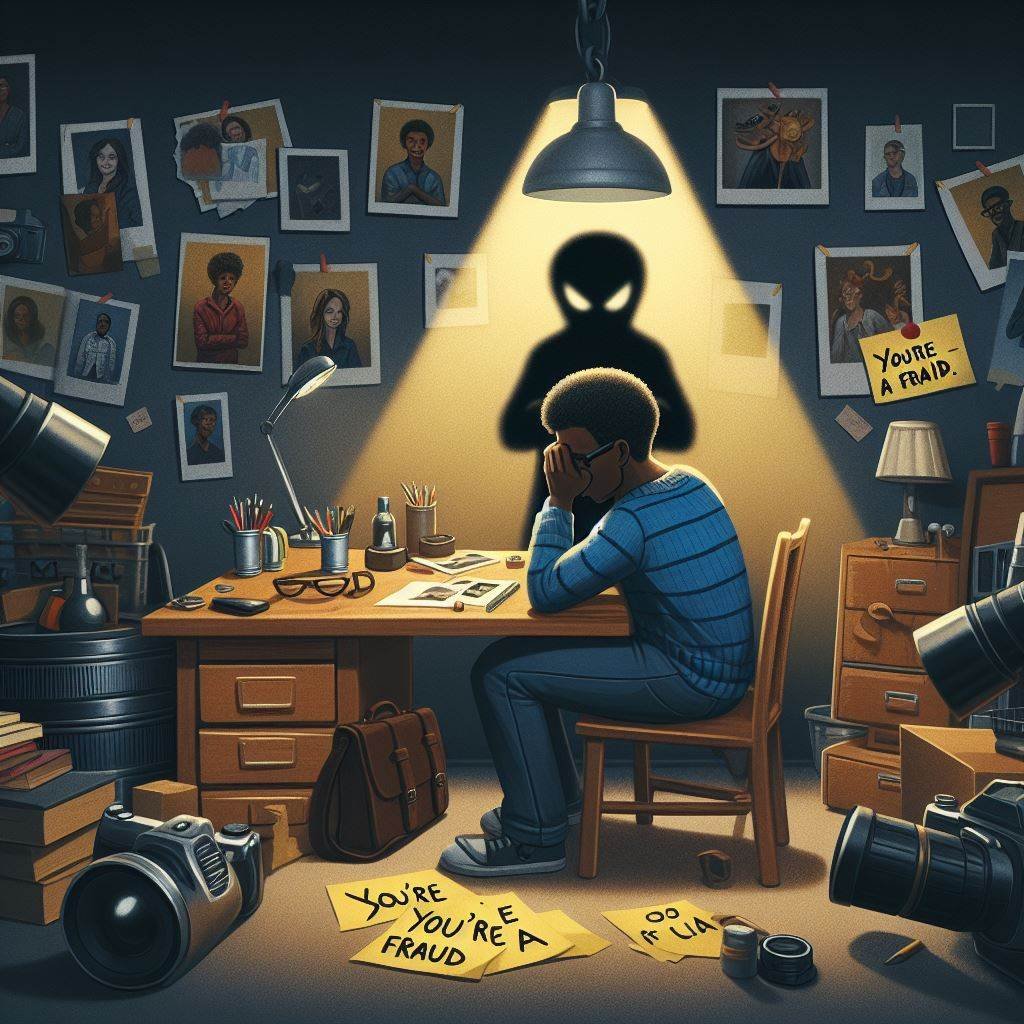
Image generated by AI
Download Ramadhans images here
Let’s recap
Practical Tips for Overcoming Imposter Syndrome
Acknowledge Your Feelings: Recognize and name the feelings of inadequacy. Understanding that these are common and not unique to you can be empowering.
Share with Peers: Talk about your feelings with fellow artists. Sharing can provide comfort and perspective, reminding you that you are not alone.
Celebrate Wins: No matter how small, celebrate your successes. Acknowledging your achievements can build confidence and validate your hard work.
Focus on Your Craft: Concentrate on improving your skills and developing your style. This can help you see the direct link between your efforts and your success.
Consistent Output: Regularly post and share your work. Engaging with your audience and receiving feedback can build a supportive community and reinforce your value.
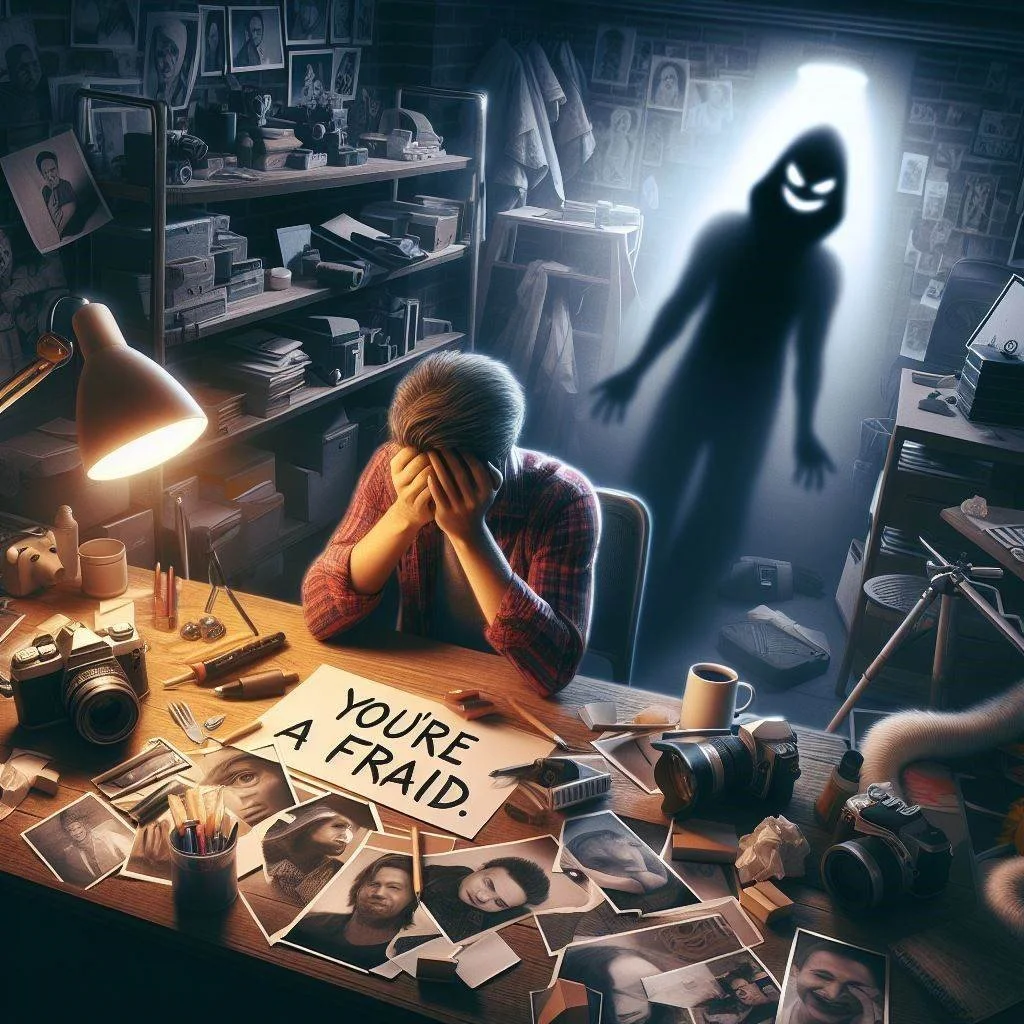
Image generated by AI
Download Ramadhan’s images here
Remember, imposter syndrome is common among successful people. Your feelings of doubt do not negate your achievements. Embrace your success and continue to grow as an artist.
The strategies I’ve shared have helped me deal with feelings of doubt and imposter syndrome. If you’re struggling with similar feelings, I hope these suggestions can help you too. They might not completely erase these feelings, but they can help you manage them and find joy in your victories, both big and small.
Picha Profile Here
Instagram Here