
Behind the Lens: An Interview with Kat Grudko on Opening Their Own Studio
with Sankara Yambo
1) What inspired you to open your own studio?
After working from home for over a decade, I found that I had accumulated so much gear that setting up for shoots meant constantly rearranging my space. It became tiring to shift things around depending on where we were shooting. I also wanted to create clearer boundaries between work and home—both for myself and my clients. I absolutely love what I do, which can make it hard to switch off in the evenings or on weekends, but having a dedicated workspace has really helped me separate the two and maintain a healthier balance.
See Kat’s Picha Profile here
2) Can you tell us about your journey into photography and how it led you to this point?
I studied graphic design straight out of school and worked as a packaging designer for a year. About six months in, I bought a camera to draw portraits in my spare time. I reached out to a fashion photographer on Facebook and started assisting him—editing during weeknights and shooting from sunrise to sunset on weekends. After six months of juggling both, I knew photography was what I really wanted to do, so I left my job and went full-time freelance.
In the early days, I was shooting everything—from parties and brand activations to family portraits—building experience and finding my voice. But it always came back to portraits and the intentional, one-on-one connection they require.
I moved to Cape Town in 2016/2017 and focused more on fashion photography, which I loved creatively, but it wasn’t sustainable financially. So I’d fly back to Joburg every six weeks to shoot for clients, keeping things afloat until COVID hit. With lockdown in full swing, I couldn’t travel, but I had started contributing to PICHA in 2019, so I got creative with what I had—and made it work.
Around that time, a model client asked for a lingerie shoot. We both loved the results, and it clicked: I wanted to create that experience for everyday women—helping them feel confident, powerful, and beautiful. That’s how Exotic Boudoir was born—an upmarket, sensual empowerment photography experience built around luxury, intention, and connection.
Today, I focus mainly on portraits and events, with Exotic Boudoir as a core part of my work.
3) What made you decide that a studio was the next step in your photography career?
I had a bit of extra money at the end of each month, and I was growing tired of constantly shifting things around and struggling to maintain clear boundaries between work and home.
4) What was the most important factor you considered when selecting a location for your studio?
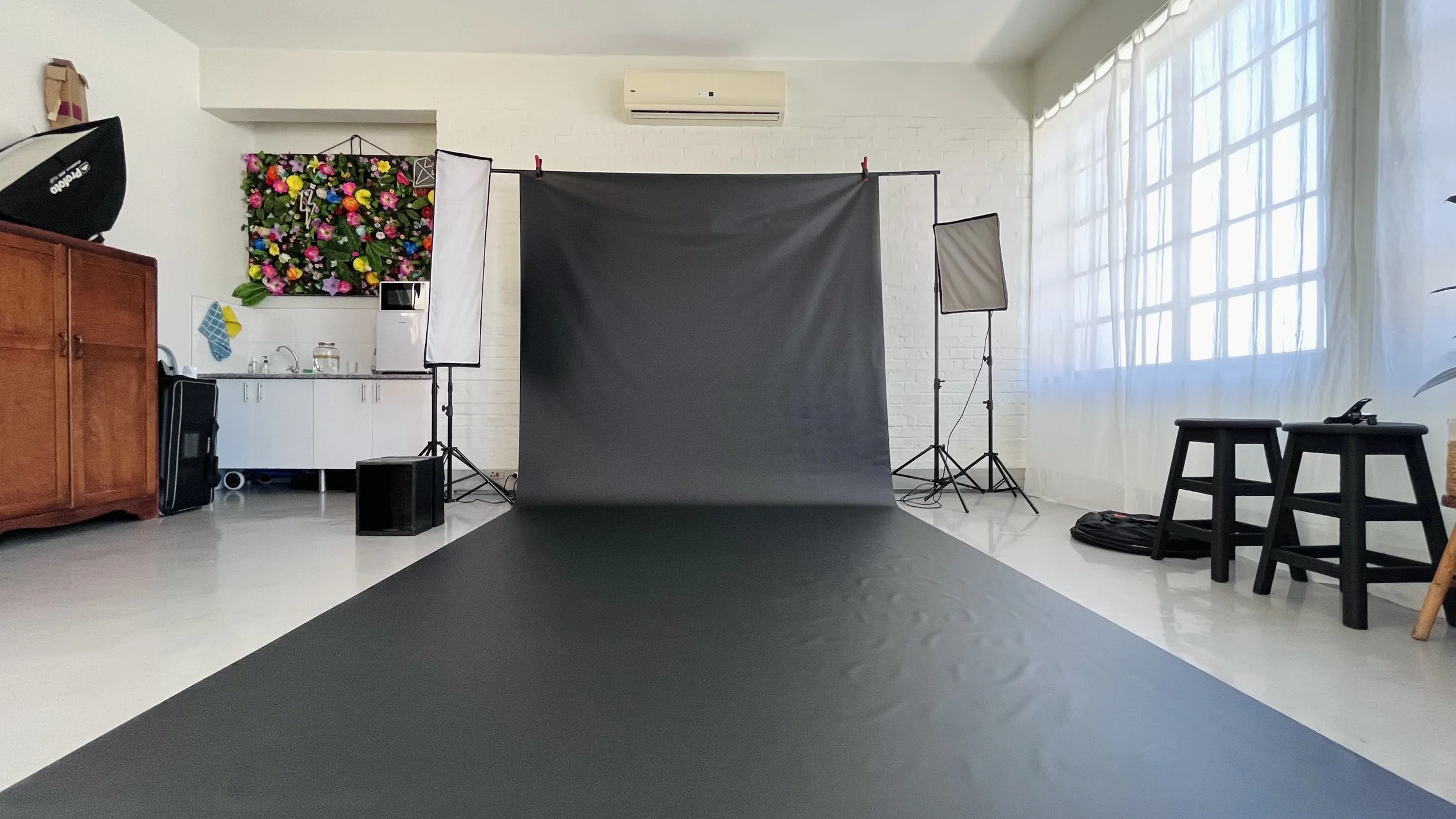
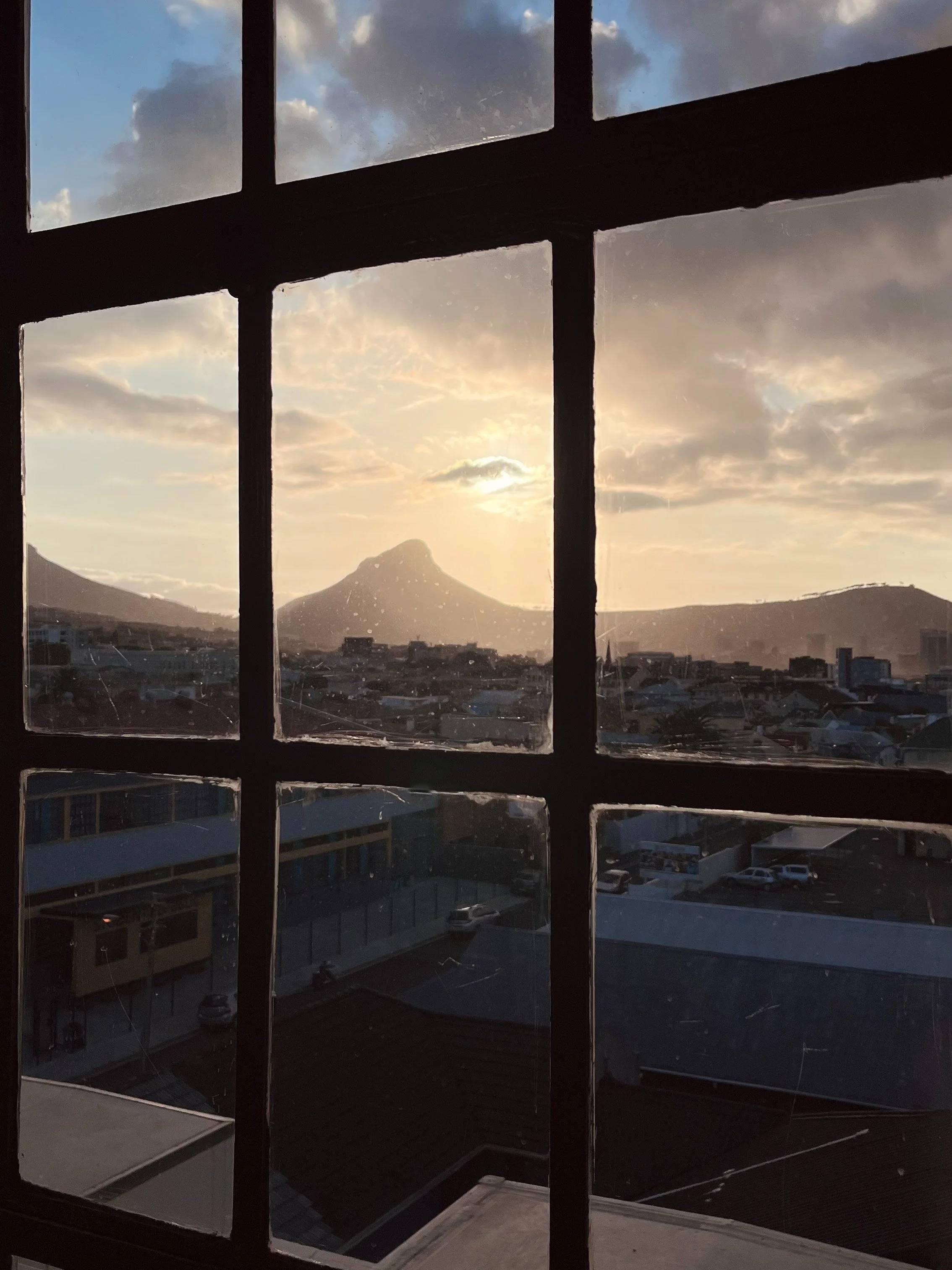
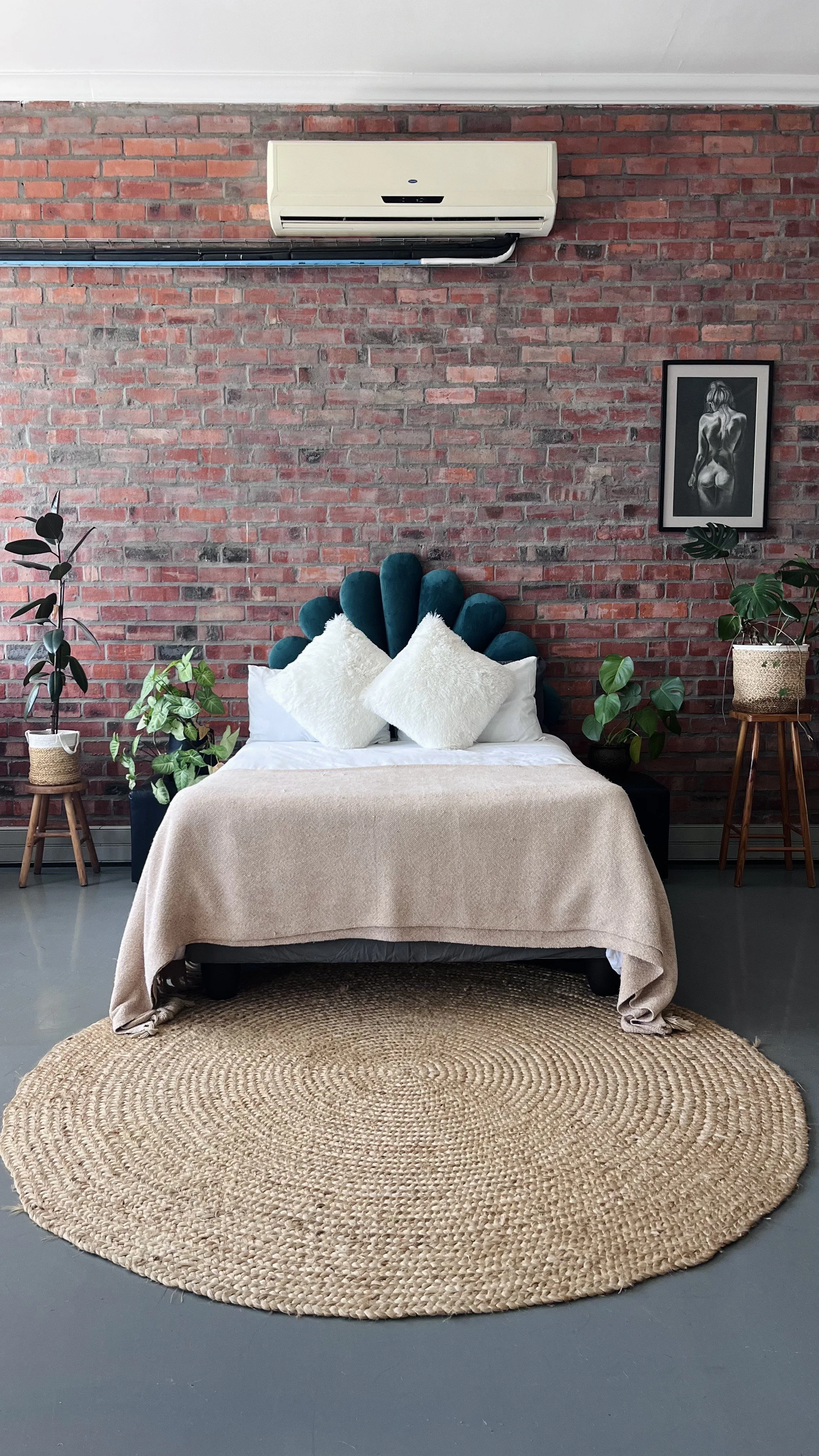
Location and atmosphere were important to me. I wanted the space to be in the Southern Suburbs, close to home (I was living in Wynberg at the time), and filled with natural light—so a wall of windows was a must. I was also looking for something that felt warm and homely, not just a plain white box, so the face brick wall really sealed the deal by giving the space that inviting, lived-in feel I was after.
5) How did you go about planning the layout and design of your studio?
It still feels like a work in progress. Right now, I’ve placed items against the walls, but I’d love to eventually add movable walls on wheels to create flexible setups tailored to each shoot or client. I did a studio refresh last December, choosing neutral, upmarket fabrics to give the space a polished and versatile feel.
See Kat’s Picha Profile here
6) What were some of the biggest challenges you faced in setting up the studio, and how did you overcome them?
One of the challenges I faced was around the deposit when I transitioned from sharing my studio to taking it over solo. I had signed a sublease with the photographer I was sharing with, rather than co-signing through the rental agent. When she moved out, I had to sign a new lease directly with the agent and pay my own deposit—while my previous deposit was still tied up with her for 21 days after the lease ended, plus a few extra days for the transfer. Fortunately, I had just shot a few conferences and was able to pay the new deposit in two separate instalments.
Another ongoing challenge is load shedding—South Africa’s scheduled power outages due to supply constraints. These can last up to half the day and happen in multiple blocks throughout the day. When the power is out, the building’s lift doesn’t work, and the studio is on the 4th floor. Most clients are understanding and will walk up, but it can be especially tough when I’ve been on location and need to carry all my gear back up those stairs.
7) How did you fund the opening of your studio, and what advice would you give to photographers who are looking to do the same?
For the first two years, I shared the space with other creatives, which helped me save money and gradually invest in what I needed—gear, wardrobe pieces, and other essentials. I built it up slowly, adding one or two things each month as I went.
8) What were some of the unexpected expenses you encountered in setting up your studio?
Sewage, storage, things like rails, fans, tables and, of course, more gear.
9) What key equipment and technology do you consider essential for a successful photography studio?
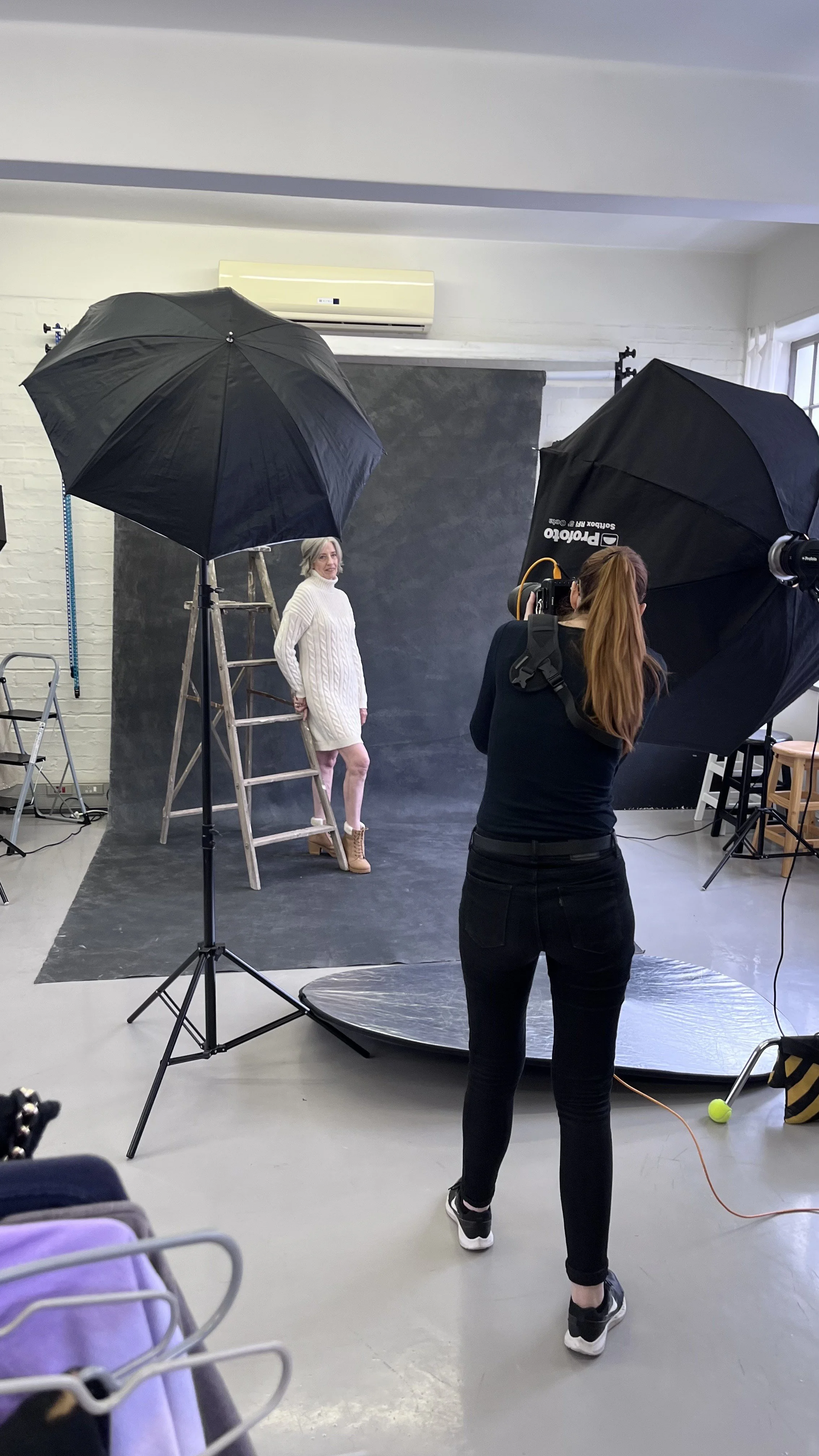
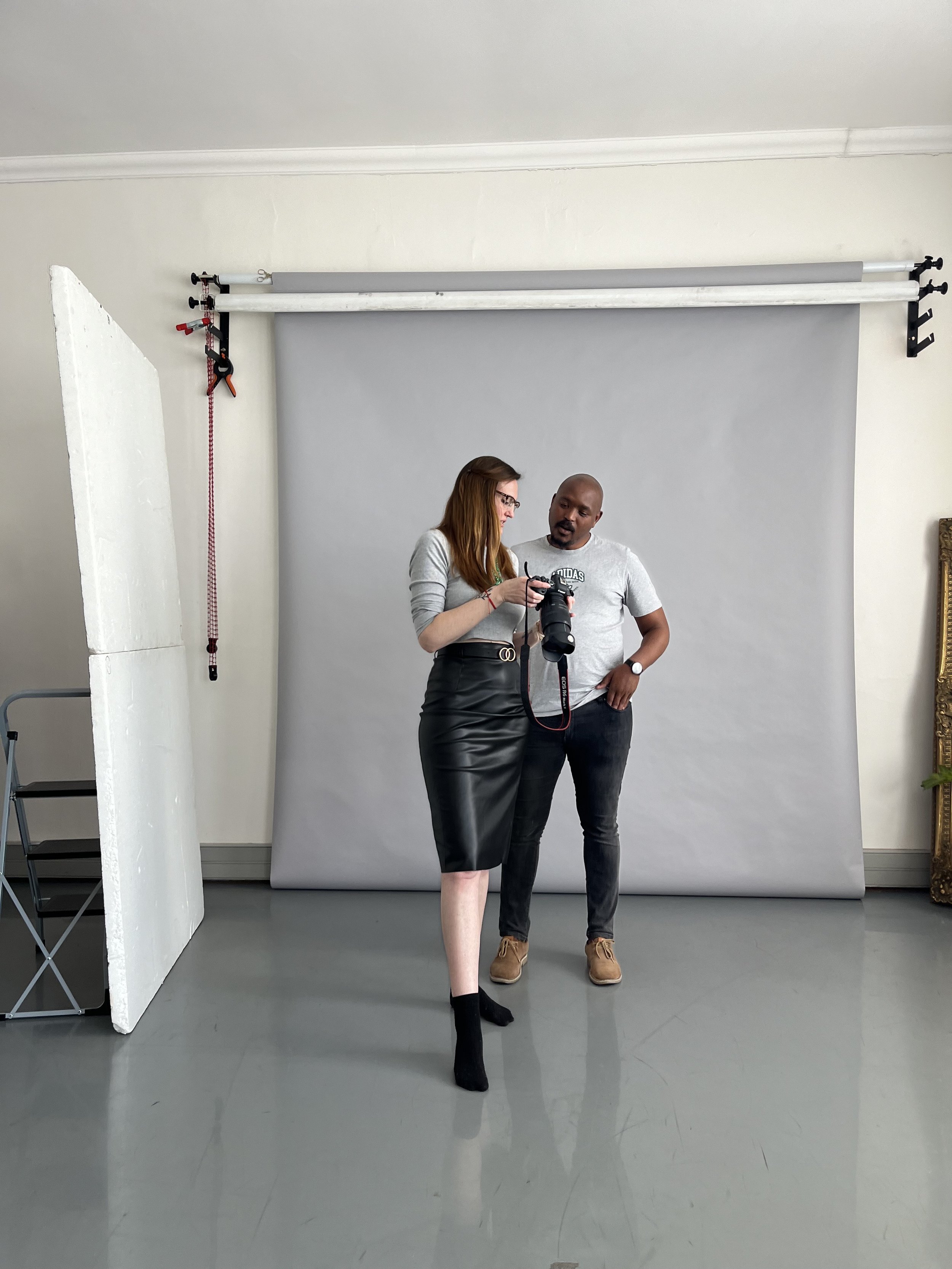
Strobe lighting is essential, and I’d also love to add some constant lighting for more creative work. A second screen is incredibly helpful to ensure your edits are accurate. Tethering your camera to a laptop makes a big difference—it allows you to see your shots in real time, reducing post-production later. It’s also great for clients to see the images during the shoot so they can adjust their posing and feel more involved in the process, helping everyone get the most out of the session.
10) How do you balance investing in high-quality gear while managing your budget as a business owner?
The last time I made a major gear purchase was around 2012, when I bought five Profoto lights along with all the supporting equipment. My parents loaned me the money, and I paid them back over time. Since then, I’ve added one more light and a few light shapers and smaller accessories, but those original Profoto lights are still going strong. If you invest in high-quality, reputable gear and take good care of it, it can easily last you decades.
11) What strategies did you use to attract your first clients, and how did you build a loyal client base?
I started by photographing friends and family, which led to referrals—and eventually to corporate gigs. As a photographer, your network is everything. I shared as much work as I could on social media to stay visible and top of mind. In the early years, I posted constantly. Now, after more than a decade, I find it more mentally taxing, but I know it’s still a key part of staying relevant. Building a loyal client base comes down to being consistently reliable and delivering the best quality work, every single time.
See Kat’s Picha Profile here
12) How do you manage the marketing side of your studio? What platforms or methods have been most effective for you?
I primarily use social media—Instagram and Facebook—with Instagram being my favourite and most effective platform. Word of mouth through friends, acquaintances, and in-person networking also plays a big role. I maintain Google Business profiles and a blog on my website. The Exotic Boudoir Google Business profile performs well, thanks to its niche focus and having been established five years ago. In contrast, the Kat Grudko Photography profile is newer and more general, so it hasn’t gained as much traction.
I’ve also been a member of BNI (Business Networking International) for the past 2.5 years. BNI is a global organisation where local groups meet weekly to share referrals. Each group includes only one professional per industry, eliminating competition and significantly expanding your network and reach.
13) What is your approach to managing the day-to-day operations of your studio?
I’m very hands-on and handle all communication and scheduling myself. During bookings, I’m usually present, working on my laptop so I can assist if needed. When I’m unavailable, my assistant opens and closes the studio and helps with setup as required.
14) Do you handle all aspects of the business yourself, or do you have a team? If so, what roles do they play?
I manage everything myself, though I had an intern, Lisa, for a few months last year. She did an excellent job supporting marketing and social media, and I would love to work with more interns in the future.
15) How do you set your pricing and packages for clients? Has your pricing model evolved over time?
I’m active in several creative and photography groups, and I connect with other local creatives to stay informed about industry rates. I price my work based on my skill level and market insights.
My boudoir and portrait rates are packaged and priced differently from my lifestyle sessions. I use the Portrait Masters format as a foundation for my packages and post-shoot offerings, adapting it to better suit the South African market.
16) How does owning a studio influence your creative process and work as a photographer?
I focus on simple photography that isn’t influenced by location or direct lighting, emphasising how each look is lit and the expressions and mood each client conveys. I primarily use natural light, as the studio has beautiful natural lighting, but for specific looks requiring precise control, having a controlled environment allows me to manage the lighting exactly as needed.
See Kat’s Picha Profile here
17) What types of photography do you focus on in your studio, and what kinds of shoots are you most passionate about?
I primarily shoot portraits in the studio, ranging from corporate and personal branding to model portfolios and sensual boudoir. My greatest passion is women’s empowerment photography, which spans personal branding, motherhood, and boudoir sessions.
18) Looking back, is there anything you wish you had known before opening your studio?
How to develop a business plan and implement it, incorporating year-on-year growth targets. Also, be aware of hidden costs associated with renting in a sectional title property—expenses vary by building, so it’s important to ask about these details before signing a lease.
19) What advice would you give to photographers who are thinking about opening their own studio?
Before signing a lease, screen the rental agents carefully. Ask others who have rented through the company—or with the specific agent if possible—about their experience. A good rental agent can make the entire process smooth, while a poor one can create unnecessary challenges.
Do your homework by consulting other photographers about the essential gear needed to start a studio and how often upgrades are necessary. Also, ask about their work-life balance, typical hours, and overall mental health to gain a realistic understanding of the industry.
See Kat’s Picha Profile here
20) What do you envision for the future of your studio and your photography career?
Studio: A calm, inviting space where I and other creatives can work and create art.
Photography career: A focused approach to business, marketing, and strategy, dedicated to helping women see themselves in a new light—shifting perceptions and empowering many for the better over a long and meaningful career.
Kat Grudko’s journey is a testament to what’s possible when creativity meets determination. Kat brings a unique blend of artistic vision and business savvy to everything she does. Her insights offer not just inspiration, but a practical roadmap for other photographers dreaming of building something of their own. Kat (short for Katusha) is a seasoned professional based in Cape Town and is also one of the resident photographers at Picha Stock,